Pakistan floods climate change: a lecturer's flood relief network in Dera Ghazi Khan
WORLD · CLIMATE

Pakistan floods climate change: a lecturer's flood relief network in Dera Ghazi Khan

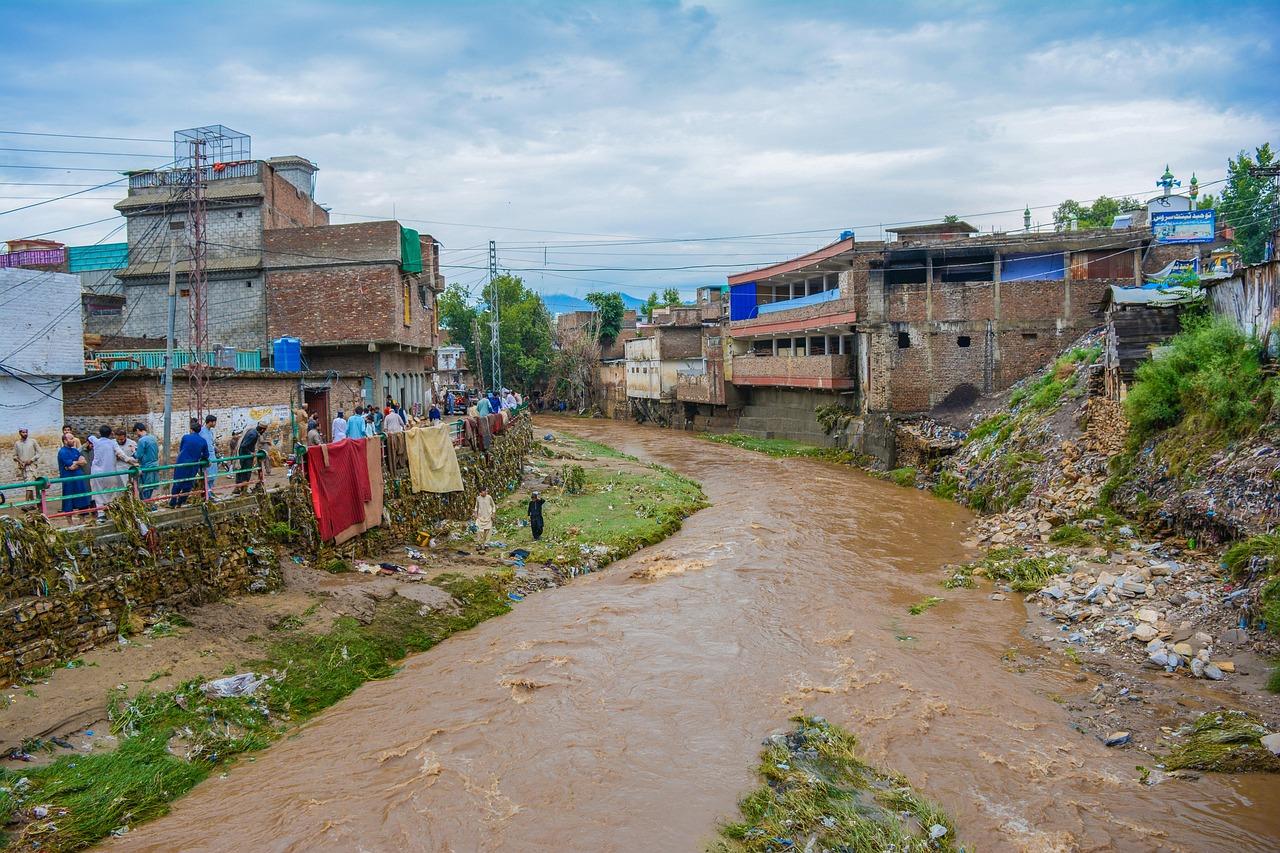
Imran Lodhi, a 41-year-old lecturer with a doctorate in climate change, was living in Dera Ghazi Khan, in south-western Punjab, Pakistan, when the 2022 floods devastated provinces across the country - and he responded by building a volunteer relief network.

By LiveDigestPublished Monday, November 16, 2026 · 12:30 GMT | 4 min read

Pakistan floods climate change: a lecturer's flood relief network in Dera Ghazi Khan

Climate change made the monsoon rainfall that caused the floods more intense, and for the people of Punjab the water that followed reshaped everyday life. Imran Lodhi's own circumstances gave him no obvious reason to become a rescuer. He was living in an area that faced less risk of flooding, he had a small child at home, and his PhD thesis was weeks from completion.

What changed his mind was a photograph. It showed a two-year-old girl who was buried in mud - what he took to be probably her last breath. She died after that. From that moment, he said, he could no longer stand aside.

01 / CLIMATE

Starting relief work from a mosque

His first act was immediate and local. He called six to seven friends and gathered them in a mosque to organise relief work.

The operation began with food. The group hired commercial cooks and, at first, worked only in villages near their city. The people they were feeding had taken refuge on nearby high ground, high enough that the water did not reach them.

What they found in those places stayed with them:

  • There was nothing from the government and nothing from any development sector
  • There was no camp of any kind
  • People were living under open skies
02 / CLIMATE

Life under open skies

The conditions survivors endured were harsh in ways that went beyond hunger. Women suffered emotionally from being in the open; many never came out publicly, appearing only for agriculture work, covered in dust and mud and without shoes. Mothers were not breastfeeding, and babies cried for milk that was not there. Cows had no feed and were not giving milk; many animals died, and the water, which stayed for a week, began to smell badly.

In one village where no land was left, families sheltered in a large tree for days, elders lying on the branches while children were kept on makeshift swings. Elsewhere the destruction was total: a few villages were completely destroyed, with not a single home standing.

03 / CLIMATE

Expanding the network

The relief effort settled into a routine. The group generally cooked morning and lunchtime food and finished distributing it around 8pm. One night, at 11pm, they cooked late because they thought some people might not have food, and delivered it to every camp. Lodhi recalled one old woman who laughed when the food was handed to her.

"I was just complaining, 'Lord, that you left me with an empty stomach today.' And suddenly you appeared."

Word of the work spread through social media appeals, and donations poured in from across Pakistan. The reach of the team grew with them - from two or three villages, they started to cover the entire district, and then almost the entire region.

04 / CLIMATE

Danger areas and a threatened city

Getting help to everyone was not straightforward. Government protocols barred boats from entering certain areas that looked dangerous or were not safe for a boat, and as a result families were trapped many kilometres into the water. Among those stuck was an old woman who refused to leave her ruined home, distressed because her small cupboard - where she kept small things to sell, for her independence - had been broken.

The flood then came close to Lodhi himself. While he was ill with fever and almost 100km away, he learned that floodwater was approaching his own city, which he had believed safe. Within hours, the water would be in the city; his family was there. The road home was cut off, so he guided his family to evacuate by phone. The city was eventually saved, and the next day he took a boat to get past the broken road.

05 / CLIMATE

Keeping going after the water

The fever cost him a single day. He took one day off from community work, then returned to the field, reasoning that if he stopped, the whole process would stop - the whole network of relief work would stop.

Three months after the flood, he was still in the field, and he advised that the annual Saraiki poetry event should go ahead rather than be suspended. His words: "I said you should never suspend the event. Let people believe the normalisation, let people believe in the spirit of survival."


Pakistan floods climate change: a lecturer's flood relief network in Dera Ghazi Khan
WORLD · CLIMATE

Pakistan floods climate change: a lecturer's flood relief network in Dera Ghazi Khan

Imran Lodhi, a 41-year-old lecturer with a doctorate in climate change, was living in Dera Ghazi Khan, in south-western Punjab, Pakistan, when the 2022 floods devastated provinces across the country - and he responded by building a volunteer relief network.

By LiveDigestPublished Monday, November 16, 2026 · 12:30 GMT | 4 min read

Pakistan floods climate change: a lecturer's flood relief network in Dera Ghazi Khan

Climate change made the monsoon rainfall that caused the floods more intense, and for the people of Punjab the water that followed reshaped everyday life. Imran Lodhi's own circumstances gave him no obvious reason to become a rescuer. He was living in an area that faced less risk of flooding, he had a small child at home, and his PhD thesis was weeks from completion.

What changed his mind was a photograph. It showed a two-year-old girl who was buried in mud - what he took to be probably her last breath. She died after that. From that moment, he said, he could no longer stand aside.

01 / CLIMATE

Starting relief work from a mosque

His first act was immediate and local. He called six to seven friends and gathered them in a mosque to organise relief work.

The operation began with food. The group hired commercial cooks and, at first, worked only in villages near their city. The people they were feeding had taken refuge on nearby high ground, high enough that the water did not reach them.

What they found in those places stayed with them:

  • There was nothing from the government and nothing from any development sector
  • There was no camp of any kind
  • People were living under open skies
02 / CLIMATE

Life under open skies

The conditions survivors endured were harsh in ways that went beyond hunger. Women suffered emotionally from being in the open; many never came out publicly, appearing only for agriculture work, covered in dust and mud and without shoes. Mothers were not breastfeeding, and babies cried for milk that was not there. Cows had no feed and were not giving milk; many animals died, and the water, which stayed for a week, began to smell badly.

In one village where no land was left, families sheltered in a large tree for days, elders lying on the branches while children were kept on makeshift swings. Elsewhere the destruction was total: a few villages were completely destroyed, with not a single home standing.

03 / CLIMATE

Expanding the network

The relief effort settled into a routine. The group generally cooked morning and lunchtime food and finished distributing it around 8pm. One night, at 11pm, they cooked late because they thought some people might not have food, and delivered it to every camp. Lodhi recalled one old woman who laughed when the food was handed to her.

Word of the work spread through social media appeals, and donations poured in from across Pakistan. The reach of the team grew with them - from two or three villages, they started to cover the entire district, and then almost the entire region.

"I was just complaining, 'Lord, that you left me with an empty stomach today.' And suddenly you appeared."
04 / CLIMATE

Danger areas and a threatened city

Getting help to everyone was not straightforward. Government protocols barred boats from entering certain areas that looked dangerous or were not safe for a boat, and as a result families were trapped many kilometres into the water. Among those stuck was an old woman who refused to leave her ruined home, distressed because her small cupboard - where she kept small things to sell, for her independence - had been broken.

The flood then came close to Lodhi himself. While he was ill with fever and almost 100km away, he learned that floodwater was approaching his own city, which he had believed safe. Within hours, the water would be in the city; his family was there. The road home was cut off, so he guided his family to evacuate by phone. The city was eventually saved, and the next day he took a boat to get past the broken road.

05 / CLIMATE

Keeping going after the water

The fever cost him a single day. He took one day off from community work, then returned to the field, reasoning that if he stopped, the whole process would stop - the whole network of relief work would stop.

Three months after the flood, he was still in the field, and he advised that the annual Saraiki poetry event should go ahead rather than be suspended. His words: "I said you should never suspend the event. Let people believe the normalisation, let people believe in the spirit of survival."

Pakistan floods climate change: a lecturer's flood relief network in Dera Ghazi Khan
WORLD · CLIMATE

Pakistan floods climate change: a lecturer's flood relief network in Dera Ghazi Khan

By LiveDigest

Pakistan floods climate change: a lecturer's flood relief network in Dera Ghazi Khan

Climate change made the monsoon rainfall that caused the floods more intense, and for the people of Punjab the water that followed reshaped everyday life. Imran Lodhi's own circumstances gave him no obvious reason to become a rescuer. He was living in an area that faced less risk of flooding, he had a small child at home, and his PhD thesis was weeks from completion.

What changed his mind was a photograph. It showed a two-year-old girl who was buried in mud - what he took to be probably her last breath. She died after that. From that moment, he said, he could no longer stand aside.

01 / CLIMATE

Starting relief work from a mosque

His first act was immediate and local. He called six to seven friends and gathered them in a mosque to organise relief work.

The operation began with food. The group hired commercial cooks and, at first, worked only in villages near their city. The people they were feeding had taken refuge on nearby high ground, high enough that the water did not reach them.

What they found in those places stayed with them:

  • There was nothing from the government and nothing from any development sector
  • There was no camp of any kind
  • People were living under open skies
02 / CLIMATE

Life under open skies

The conditions survivors endured were harsh in ways that went beyond hunger. Women suffered emotionally from being in the open; many never came out publicly, appearing only for agriculture work, covered in dust and mud and without shoes. Mothers were not breastfeeding, and babies cried for milk that was not there. Cows had no feed and were not giving milk; many animals died, and the water, which stayed for a week, began to smell badly.

In one village where no land was left, families sheltered in a large tree for days, elders lying on the branches while children were kept on makeshift swings. Elsewhere the destruction was total: a few villages were completely destroyed, with not a single home standing.

03 / CLIMATE

Expanding the network

The relief effort settled into a routine. The group generally cooked morning and lunchtime food and finished distributing it around 8pm. One night, at 11pm, they cooked late because they thought some people might not have food, and delivered it to every camp. Lodhi recalled one old woman who laughed when the food was handed to her.

Word of the work spread through social media appeals, and donations poured in from across Pakistan. The reach of the team grew with them - from two or three villages, they started to cover the entire district, and then almost the entire region.

"I was just complaining, 'Lord, that you left me with an empty stomach today.' And suddenly you appeared."
04 / CLIMATE

Danger areas and a threatened city

Getting help to everyone was not straightforward. Government protocols barred boats from entering certain areas that looked dangerous or were not safe for a boat, and as a result families were trapped many kilometres into the water. Among those stuck was an old woman who refused to leave her ruined home, distressed because her small cupboard - where she kept small things to sell, for her independence - had been broken.

The flood then came close to Lodhi himself. While he was ill with fever and almost 100km away, he learned that floodwater was approaching his own city, which he had believed safe. Within hours, the water would be in the city; his family was there. The road home was cut off, so he guided his family to evacuate by phone. The city was eventually saved, and the next day he took a boat to get past the broken road.

05 / CLIMATE

Keeping going after the water

The fever cost him a single day. He took one day off from community work, then returned to the field, reasoning that if he stopped, the whole process would stop - the whole network of relief work would stop.

Three months after the flood, he was still in the field, and he advised that the annual Saraiki poetry event should go ahead rather than be suspended. His words: "I said you should never suspend the event. Let people believe the normalisation, let people believe in the spirit of survival."