Oxford Street pedestrianisation begins as shoppers praise car-free stretch
WORLD

Oxford Street pedestrianisation begins as shoppers praise car-free stretch

Oxford Street pedestrianisation took effect on Monday, making roughly half of the famous shopping street vehicle-free ahead of the Christmas shopping period. Sadiq Khan called it a momentous day, and early visitors said the traffic-free street is a better experience.

By LiveDigestPublished Tuesday, October 27, 2026 · 06:16 GMT | 4 min read

Oxford Street pedestrianisation begins as shoppers praise car-free stretch

01 / WORLD

What has changed on the street

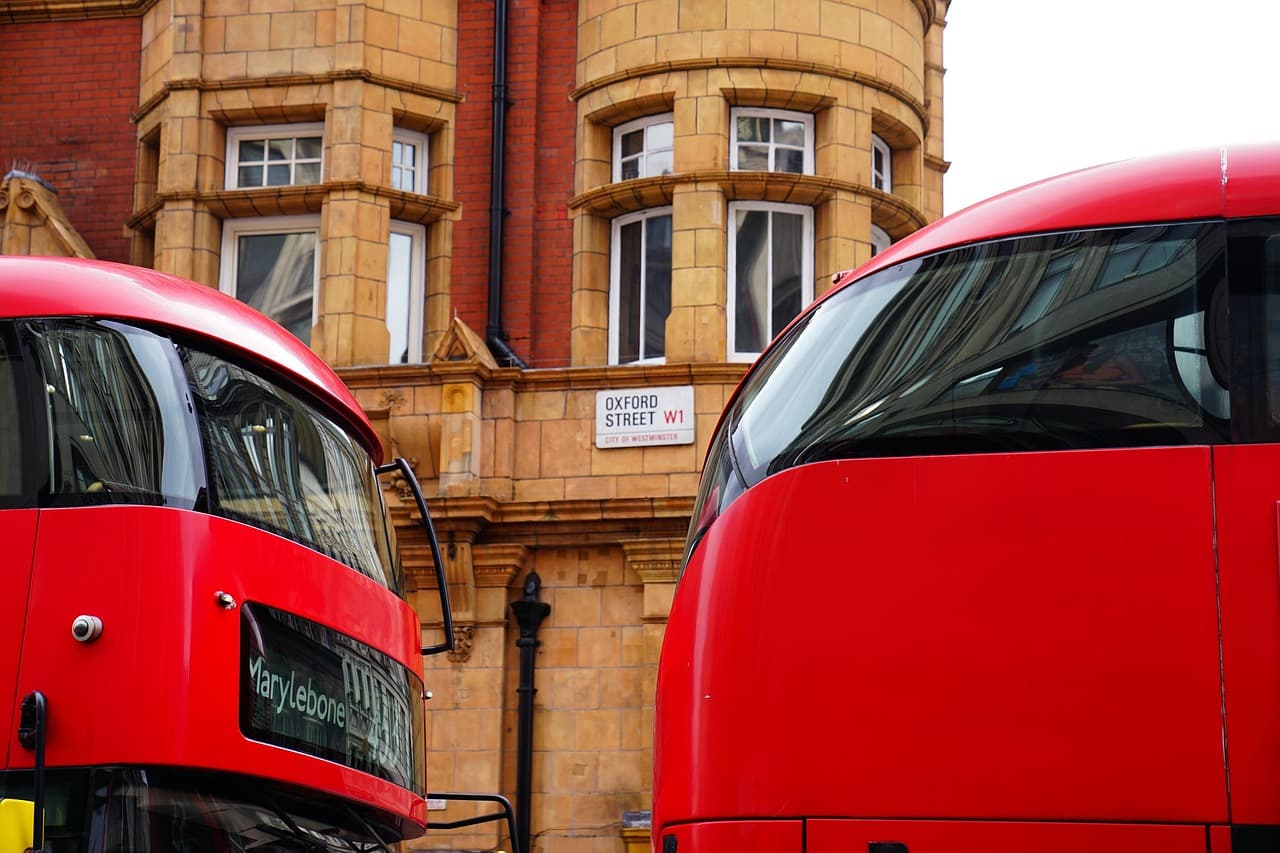
Almost a kilometre of Oxford Street is now closed to traffic, with buses, bikes, taxis, e-scooters, pedicabs and private cars all banned from the stretch. About half of the 1.2-mile (1.9km) street is vehicle-free, running roughly from Oxford Circus station to Marble Arch.

  • Buses, bikes, taxis, e-scooters, pedicabs and private cars are all barred from the pedestrianised stretch
  • The vehicle-free zone covers roughly half of the 1.2-mile (1.9km) street
  • The closure runs from about Oxford Circus station to Marble Arch
  • It took effect in time for the busy Christmas shopping period

The closure began on a wet Monday morning, which London mayor Sadiq Khan hailed as a momentous day.

02 / WORLD

Shoppers and traders react

Daniel Te, a former city planner who moved to London from the US in July, was sketching the scene and said the street now resembles the Oxford Circus scramble crossing. Te normally avoids the street because it is too busy, but said: "Now there's more space to walk around, I'm more inclined to come."

He called pedestrianising a street a really big achievement, said Covid taught us a lot about what we can do with our spaces, and described the inconvenience of rerouted buses as a small price to pay.

Raquel Cox, a holidaymaker from Ireland, travelled in after seeing a news item about the closure. "We said, 'We have to go there and experience it first-hand'." She accepted nearby streets could get busier but said as a shopper "it's a better experience".

Abbas Shigival, who runs a souvenir kiosk at the start of the pedestrianised section, said it would take time to determine the impact on his business, though the morning seemed busier than usual. "It's a more pleasant environment… People are happier because they can walk around," he said.

03 / WORLD

Buses diverted and capacity reassured

Many of London's double-decker buses will now be diverted into neighbouring roads. Claire Mann, Transport for London's chief operating officer, said there would still be "plenty of capacity for passengers" and that the diversions should not affect reliability.

Mann said TfL would be monitoring to see if the changes have an impact on ridership, and pointed to Bond Street and the Elizabeth Line as an alternative way to arrive.

Khan, whose first jobs were in retail on the street, spoke at John Lewis on Monday morning and said the street had been in decline over recent decades. He argued that pedestrianising it alongside good public transport links, more greenery and more seating would lead to a better experience all round.

"I want this to be a proof of concept – that investing in people rather than traffic leads to better footfall and spend," Khan said.

04 / WORLD

Taxis and cyclists push back

Taxi driver Ben McMullan said traffic is "definitely worse on the surrounding streets, and accessibility is a huge problem". He had dropped off customers who struggled without direct car access, among them a mother with a pram and a woman with walking difficulties.

He fears the change could hurt his business, saying that once people realise they cannot get to where they need to go, it shuts them off from getting in the cab.

Cyclists were stopped by security guards over the course of the day, since bikes are among the vehicles banned. One cyclist, whose name was changed, said an alternative route would make his commute longer and that he opposes pedestrianisation in principle, noting that many low traffic neighbourhoods already make vehicle use harder. "I'm going to ride down this road, whether they like it or not," he said.

05 / WORLD

What happens next

Permanent plans depend on feedback from this first phase and testing. Khan said London would be closely monitoring the changes to make sure they are working for everyone.

A larger £150m transformation, including trees, seating and level "plazas" for events, is due to start taking shape from spring 2027.

Oxford Street pedestrianisation begins as shoppers praise car-free stretch
WORLD

Oxford Street pedestrianisation begins as shoppers praise car-free stretch

Oxford Street pedestrianisation took effect on Monday, making roughly half of the famous shopping street vehicle-free ahead of the Christmas shopping period. Sadiq Khan called it a momentous day, and early visitors said the traffic-free street is a better experience.

By LiveDigestPublished Tuesday, October 27, 2026 · 06:16 GMT | 4 min read

Oxford Street pedestrianisation begins as shoppers praise car-free stretch

01 / WORLD

What has changed on the street

Almost a kilometre of Oxford Street is now closed to traffic, with buses, bikes, taxis, e-scooters, pedicabs and private cars all banned from the stretch. About half of the 1.2-mile (1.9km) street is vehicle-free, running roughly from Oxford Circus station to Marble Arch.

  • Buses, bikes, taxis, e-scooters, pedicabs and private cars are all barred from the pedestrianised stretch
  • The vehicle-free zone covers roughly half of the 1.2-mile (1.9km) street
  • The closure runs from about Oxford Circus station to Marble Arch
  • It took effect in time for the busy Christmas shopping period

The closure began on a wet Monday morning, which London mayor Sadiq Khan hailed as a momentous day.

02 / WORLD

Shoppers and traders react

Daniel Te, a former city planner who moved to London from the US in July, was sketching the scene and said the street now resembles the Oxford Circus scramble crossing. Te normally avoids the street because it is too busy, but said: "Now there's more space to walk around, I'm more inclined to come."

He called pedestrianising a street a really big achievement, said Covid taught us a lot about what we can do with our spaces, and described the inconvenience of rerouted buses as a small price to pay.

Raquel Cox, a holidaymaker from Ireland, travelled in after seeing a news item about the closure. "We said, 'We have to go there and experience it first-hand'." She accepted nearby streets could get busier but said as a shopper "it's a better experience".

Abbas Shigival, who runs a souvenir kiosk at the start of the pedestrianised section, said it would take time to determine the impact on his business, though the morning seemed busier than usual. "It's a more pleasant environment… People are happier because they can walk around," he said.

03 / WORLD

Buses diverted and capacity reassured

Many of London's double-decker buses will now be diverted into neighbouring roads. Claire Mann, Transport for London's chief operating officer, said there would still be "plenty of capacity for passengers" and that the diversions should not affect reliability.

Mann said TfL would be monitoring to see if the changes have an impact on ridership, and pointed to Bond Street and the Elizabeth Line as an alternative way to arrive.

Khan, whose first jobs were in retail on the street, spoke at John Lewis on Monday morning and said the street had been in decline over recent decades. He argued that pedestrianising it alongside good public transport links, more greenery and more seating would lead to a better experience all round.

"I want this to be a proof of concept – that investing in people rather than traffic leads to better footfall and spend," Khan said.

04 / WORLD

Taxis and cyclists push back

Taxi driver Ben McMullan said traffic is "definitely worse on the surrounding streets, and accessibility is a huge problem". He had dropped off customers who struggled without direct car access, among them a mother with a pram and a woman with walking difficulties.

He fears the change could hurt his business, saying that once people realise they cannot get to where they need to go, it shuts them off from getting in the cab.

Cyclists were stopped by security guards over the course of the day, since bikes are among the vehicles banned. One cyclist, whose name was changed, said an alternative route would make his commute longer and that he opposes pedestrianisation in principle, noting that many low traffic neighbourhoods already make vehicle use harder. "I'm going to ride down this road, whether they like it or not," he said.

05 / WORLD

What happens next

Permanent plans depend on feedback from this first phase and testing. Khan said London would be closely monitoring the changes to make sure they are working for everyone.

A larger £150m transformation, including trees, seating and level "plazas" for events, is due to start taking shape from spring 2027.

Oxford Street pedestrianisation begins as shoppers praise car-free stretch
WORLD

Oxford Street pedestrianisation begins as shoppers praise car-free stretch

By LiveDigest

Oxford Street pedestrianisation begins as shoppers praise car-free stretch

01 / WORLD

What has changed on the street

Almost a kilometre of Oxford Street is now closed to traffic, with buses, bikes, taxis, e-scooters, pedicabs and private cars all banned from the stretch. About half of the 1.2-mile (1.9km) street is vehicle-free, running roughly from Oxford Circus station to Marble Arch.

  • Buses, bikes, taxis, e-scooters, pedicabs and private cars are all barred from the pedestrianised stretch
  • The vehicle-free zone covers roughly half of the 1.2-mile (1.9km) street
  • The closure runs from about Oxford Circus station to Marble Arch
  • It took effect in time for the busy Christmas shopping period

The closure began on a wet Monday morning, which London mayor Sadiq Khan hailed as a momentous day.

02 / WORLD

Shoppers and traders react

Daniel Te, a former city planner who moved to London from the US in July, was sketching the scene and said the street now resembles the Oxford Circus scramble crossing. Te normally avoids the street because it is too busy, but said: "Now there's more space to walk around, I'm more inclined to come."

He called pedestrianising a street a really big achievement, said Covid taught us a lot about what we can do with our spaces, and described the inconvenience of rerouted buses as a small price to pay.

Raquel Cox, a holidaymaker from Ireland, travelled in after seeing a news item about the closure. "We said, 'We have to go there and experience it first-hand'." She accepted nearby streets could get busier but said as a shopper "it's a better experience".

Abbas Shigival, who runs a souvenir kiosk at the start of the pedestrianised section, said it would take time to determine the impact on his business, though the morning seemed busier than usual. "It's a more pleasant environment… People are happier because they can walk around," he said.

03 / WORLD

Buses diverted and capacity reassured

Many of London's double-decker buses will now be diverted into neighbouring roads. Claire Mann, Transport for London's chief operating officer, said there would still be "plenty of capacity for passengers" and that the diversions should not affect reliability.

Mann said TfL would be monitoring to see if the changes have an impact on ridership, and pointed to Bond Street and the Elizabeth Line as an alternative way to arrive.

Khan, whose first jobs were in retail on the street, spoke at John Lewis on Monday morning and said the street had been in decline over recent decades. He argued that pedestrianising it alongside good public transport links, more greenery and more seating would lead to a better experience all round.

"I want this to be a proof of concept – that investing in people rather than traffic leads to better footfall and spend," Khan said.

04 / WORLD

Taxis and cyclists push back

Taxi driver Ben McMullan said traffic is "definitely worse on the surrounding streets, and accessibility is a huge problem". He had dropped off customers who struggled without direct car access, among them a mother with a pram and a woman with walking difficulties.

He fears the change could hurt his business, saying that once people realise they cannot get to where they need to go, it shuts them off from getting in the cab.

Cyclists were stopped by security guards over the course of the day, since bikes are among the vehicles banned. One cyclist, whose name was changed, said an alternative route would make his commute longer and that he opposes pedestrianisation in principle, noting that many low traffic neighbourhoods already make vehicle use harder. "I'm going to ride down this road, whether they like it or not," he said.

05 / WORLD

What happens next

Permanent plans depend on feedback from this first phase and testing. Khan said London would be closely monitoring the changes to make sure they are working for everyone.

A larger £150m transformation, including trees, seating and level "plazas" for events, is due to start taking shape from spring 2027.