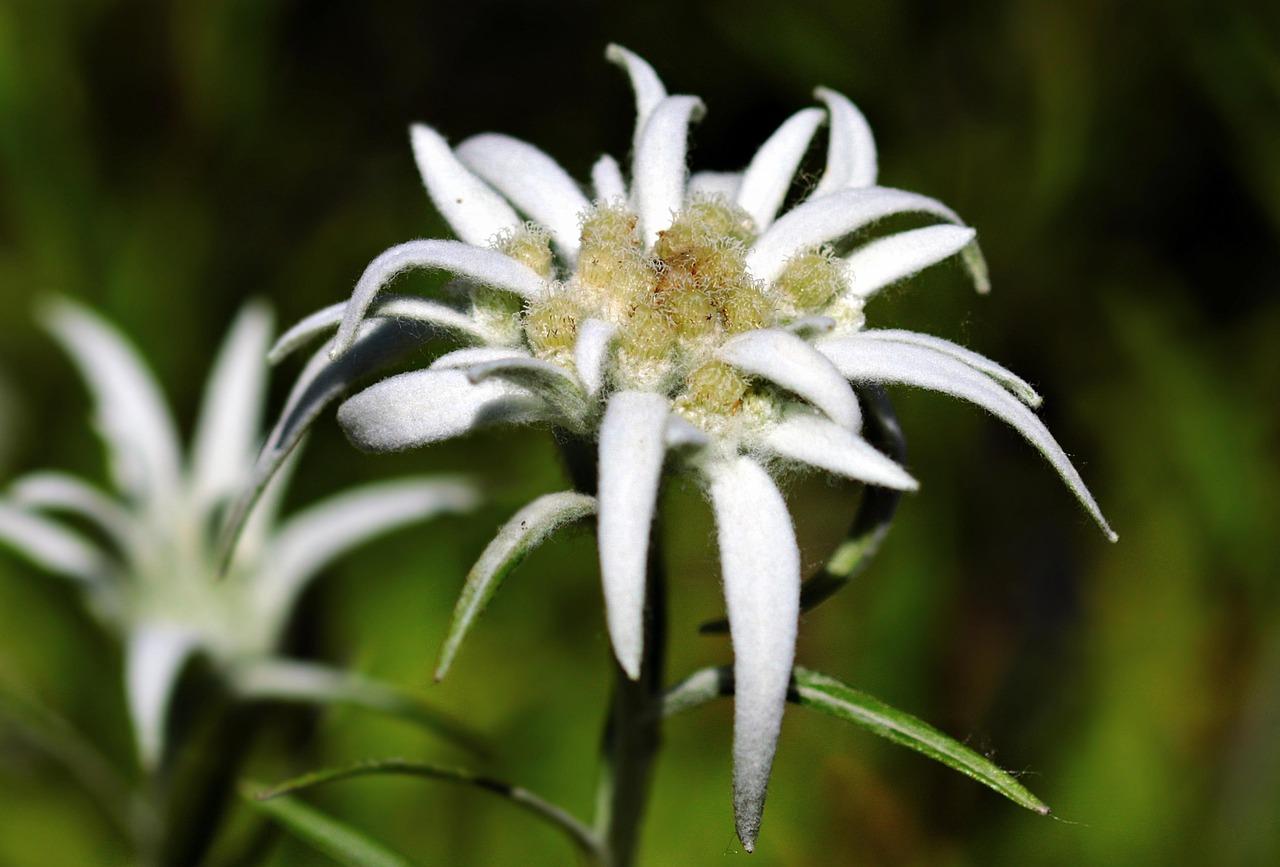
One-flowered wintergreen rescue in Scotland moves 3,400 plants at Culbin Forest
WORLD · ENVIRONMENT

One-flowered wintergreen rescue in Scotland moves 3,400 plants at Culbin Forest

Conservationists and 18 volunteers have carried out a one-flowered wintergreen rescue in Scotland, moving 3,400 plants away from the eroding shoreline at Culbin Forest in Moray.

By LiveDigestPublished Wednesday, November 11, 2026 · 05:15 GMT | 2 min read

One-flowered wintergreen rescue in Scotland moves 3,400 plants at Culbin Forest

01 / ENVIRONMENT

Why the plants had to move

Plantlife Scotland worked with Forestry and Land Scotland, NatureScot and volunteers to relocate the plants after 2-3 metres of land collapsed into the sea over recent years. The rescue, reported on 11 November 2026, followed a smaller trial and received support from the Scottish government's nature restoration fund. Iain Macdonald, a biodiversity adviser at NatureScot, said it was only a matter of time before the plants left in place would all have been lost to the sea.

It was only a matter of time before they would have all been lost to the sea.
02 / ENVIRONMENT

A wildflower surviving at just seven sites

According to Plantlife Scotland, the species in the UK grows only in pine woods in north-east Scotland.

  • It survives at just seven sites, only three of which support healthy populations.
  • The UK population is estimated to have more than halved over the past 50 years.
  • Around 50,000 plants remain in Scotland, but because they spread through genetically identical root growth, genetically distinct individuals could number fewer than 500.
  • At one site, about 100 plants represented just two distinct individuals.
03 / ENVIRONMENT

Fungi hold the key to survival

The plant draws energy not only from photosynthesis but also from fungi in woodland soils, a relationship that has complicated efforts to understand and reverse its decline. During the move, volunteers cut out sections of soil around the plants to preserve the networks of fungi the species depends on for germination and survival. Plantlife said changes in forest management affected the fungi's conditions, while hotter, drier conditions caused by the climate crisis have reduced the soil moisture the plant relies on.

04 / ENVIRONMENT

What happens next

A small number of plants and seeds were moved to another wood, where the species has not previously been recorded, in the hope of establishing a new population. Sam Jones, senior ecological adviser at Plantlife Scotland, said this type of groundbreaking conservation work will help ensure endangered species like the one-flowered wintergreen are not lost. Macdonald said any survival will be a success, and introducing more plants to small existing populations would strengthen their ability to cope with a changing environment.

Any survival will be a success.

One-flowered wintergreen rescue in Scotland moves 3,400 plants at Culbin Forest
WORLD · ENVIRONMENT

One-flowered wintergreen rescue in Scotland moves 3,400 plants at Culbin Forest

Conservationists and 18 volunteers have carried out a one-flowered wintergreen rescue in Scotland, moving 3,400 plants away from the eroding shoreline at Culbin Forest in Moray.

By LiveDigestPublished Wednesday, November 11, 2026 · 05:15 GMT | 2 min read

One-flowered wintergreen rescue in Scotland moves 3,400 plants at Culbin Forest

01 / ENVIRONMENT

Why the plants had to move

Plantlife Scotland worked with Forestry and Land Scotland, NatureScot and volunteers to relocate the plants after 2-3 metres of land collapsed into the sea over recent years. The rescue, reported on 11 November 2026, followed a smaller trial and received support from the Scottish government's nature restoration fund. Iain Macdonald, a biodiversity adviser at NatureScot, said it was only a matter of time before the plants left in place would all have been lost to the sea.

It was only a matter of time before they would have all been lost to the sea.
02 / ENVIRONMENT

A wildflower surviving at just seven sites

According to Plantlife Scotland, the species in the UK grows only in pine woods in north-east Scotland.

  • It survives at just seven sites, only three of which support healthy populations.
  • The UK population is estimated to have more than halved over the past 50 years.
  • Around 50,000 plants remain in Scotland, but because they spread through genetically identical root growth, genetically distinct individuals could number fewer than 500.
  • At one site, about 100 plants represented just two distinct individuals.
03 / ENVIRONMENT

Fungi hold the key to survival

The plant draws energy not only from photosynthesis but also from fungi in woodland soils, a relationship that has complicated efforts to understand and reverse its decline. During the move, volunteers cut out sections of soil around the plants to preserve the networks of fungi the species depends on for germination and survival. Plantlife said changes in forest management affected the fungi's conditions, while hotter, drier conditions caused by the climate crisis have reduced the soil moisture the plant relies on.

04 / ENVIRONMENT

What happens next

A small number of plants and seeds were moved to another wood, where the species has not previously been recorded, in the hope of establishing a new population. Sam Jones, senior ecological adviser at Plantlife Scotland, said this type of groundbreaking conservation work will help ensure endangered species like the one-flowered wintergreen are not lost. Macdonald said any survival will be a success, and introducing more plants to small existing populations would strengthen their ability to cope with a changing environment.

Any survival will be a success.

One-flowered wintergreen rescue in Scotland moves 3,400 plants at Culbin Forest
WORLD · ENVIRONMENT

One-flowered wintergreen rescue in Scotland moves 3,400 plants at Culbin Forest

By LiveDigest

One-flowered wintergreen rescue in Scotland moves 3,400 plants at Culbin Forest

01 / ENVIRONMENT

Why the plants had to move

Plantlife Scotland worked with Forestry and Land Scotland, NatureScot and volunteers to relocate the plants after 2-3 metres of land collapsed into the sea over recent years. The rescue, reported on 11 November 2026, followed a smaller trial and received support from the Scottish government's nature restoration fund. Iain Macdonald, a biodiversity adviser at NatureScot, said it was only a matter of time before the plants left in place would all have been lost to the sea.

It was only a matter of time before they would have all been lost to the sea.
02 / ENVIRONMENT

A wildflower surviving at just seven sites

According to Plantlife Scotland, the species in the UK grows only in pine woods in north-east Scotland.

  • It survives at just seven sites, only three of which support healthy populations.
  • The UK population is estimated to have more than halved over the past 50 years.
  • Around 50,000 plants remain in Scotland, but because they spread through genetically identical root growth, genetically distinct individuals could number fewer than 500.
  • At one site, about 100 plants represented just two distinct individuals.
03 / ENVIRONMENT

Fungi hold the key to survival

The plant draws energy not only from photosynthesis but also from fungi in woodland soils, a relationship that has complicated efforts to understand and reverse its decline. During the move, volunteers cut out sections of soil around the plants to preserve the networks of fungi the species depends on for germination and survival. Plantlife said changes in forest management affected the fungi's conditions, while hotter, drier conditions caused by the climate crisis have reduced the soil moisture the plant relies on.

04 / ENVIRONMENT

What happens next

A small number of plants and seeds were moved to another wood, where the species has not previously been recorded, in the hope of establishing a new population. Sam Jones, senior ecological adviser at Plantlife Scotland, said this type of groundbreaking conservation work will help ensure endangered species like the one-flowered wintergreen are not lost. Macdonald said any survival will be a success, and introducing more plants to small existing populations would strengthen their ability to cope with a changing environment.

Any survival will be a success.
