Oleshky evacuation begins as first civilian convoy in nearly five years leaves besieged Ukrainian city
WORLD · SECURITY

Oleshky evacuation begins as first civilian convoy in nearly five years leaves besieged Ukrainian city

The Oleshky evacuation of civilians from the Russian-held city in southern Ukraine began on Friday under a localised Kherson ceasefire, the first joint relief operation of its kind since the full-scale invasion started in February 2022.

By LiveDigestPublished Friday, October 30, 2026 · 17:34 GMT | 3 min read

Oleshky evacuation begins as first civilian convoy in nearly five years leaves besieged Ukrainian city

01 / SECURITY

Why the besieged Ukrainian city needed relief

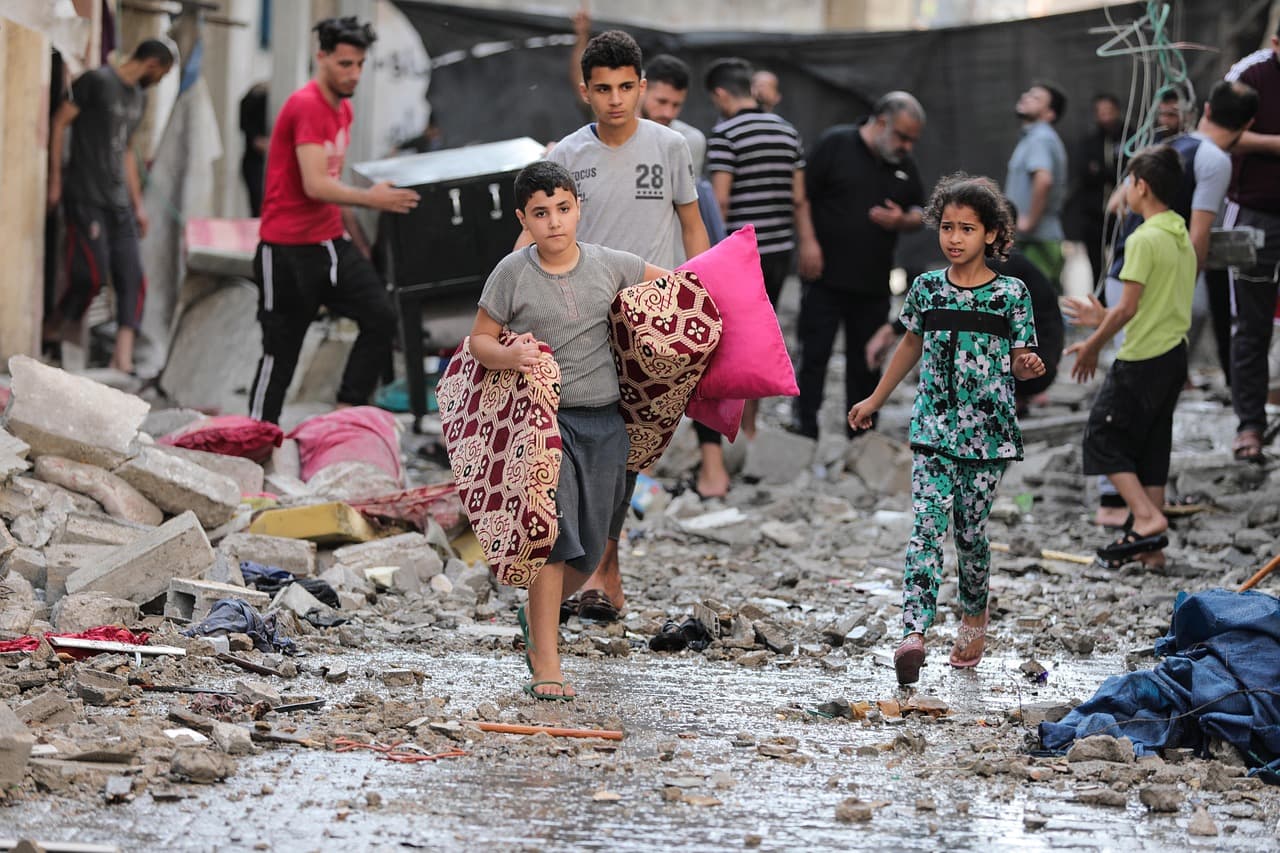
Civilians in Oleshky, which Russian troops seized in the first days of the February 2022 full-scale invasion, began leaving on Friday in a joint relief operation described as the first of its kind in four years and eight months of war. The city sits on the Russian-occupied side of the Dnipro River, opposite Kherson.

Authorities and volunteers say about 2,000 people remained there, and residents risked their lives on mine-strewn roads to reach food and water.

  • Months of serious food and medical shortages have led to warnings of starvation for the few thousand residents, including about 50 children
  • Some residents say they survived on a cup of rice or buckwheat a day, sometimes with a tomato, cucumber or wild plants
  • Several hundred people, mainly older people, have chosen to stay

The city has also suffered extensive damage and was badly flooded after the destruction of the upriver Kakhovka dam in June 2023.

02 / SECURITY

How the convoy and ceasefire made the evacuation possible

A localised ceasefire in Ukraine's southern Kherson region allowed the roads out of Oleshky to be de-mined, clearing the way for the evacuation. The humanitarian convoy included 25 buses and ambulances, bringing food and medicine and carrying people who wished to leave for either Russia or Ukraine.

Kyiv's delegation reached the city late on Friday morning to prepare. Footage showed tearful residents embracing delegation members in heavy rain while they waited for the main convoy. Dmytro Lubinets, Ukraine's human rights ombudsman, was on the ground to coordinate the operation with his Russian counterpart, Yana Lantratova.

03 / SECURITY

The long route home via Anapa and Belarus

Although Ukrainian territory lies just 5km from Oleshky, evacuees heading home face a far longer journey. Davyd Arakhamia, a Servant of the People lawmaker travelling with the delegation, confirmed some evacuees were going to the southern Russian city of Anapa.

"From there, they will fly by plane to Belarus, and then travel by bus to their homes," he said, crossing the border into Ukraine's Chernihiv region.

A woman identifying herself as Anna said on video that she and her son were on separate buses heading to Ukraine.

"Yes, we are on bus 20, my son is on bus 17. To Ukraine."

Earlier reports suggested more than 500 people wanted to move to Ukrainian territory, but it remained unclear how many travelled on the convoy.

04 / SECURITY

What the ceasefire means for the wider war

Lubinets said the truce was the first since 2022 established across such an extensive stretch of frontline and maintained for such a significant duration. It was claimed by the US first lady, Melania Trump, as one she helped broker, and stands as a rare example of cooperation between the warring sides.

Ksenia Arkhipova, a volunteer formerly of Oleshky, told the Associated Press that large numbers of Russian troops were in the city, checking empty houses and in some cases moving into them. "They are also pressuring local residents to evacuate to Russia, rather than to Ukraine," she said.

"difficult to extrapolate"

That was how the Kremlin on Friday described the ceasefire, calling it a special case in relation to the wider search for a peace settlement.

For the roughly 2,000 people who remain in Oleshky - several hundred of whom have chosen to stay - Lubinets pledged to keep humanitarian aid flowing.

Oleshky evacuation begins as first civilian convoy in nearly five years leaves besieged Ukrainian city
WORLD · SECURITY

Oleshky evacuation begins as first civilian convoy in nearly five years leaves besieged Ukrainian city

The Oleshky evacuation of civilians from the Russian-held city in southern Ukraine began on Friday under a localised Kherson ceasefire, the first joint relief operation of its kind since the full-scale invasion started in February 2022.

By LiveDigestPublished Friday, October 30, 2026 · 17:34 GMT | 3 min read

Oleshky evacuation begins as first civilian convoy in nearly five years leaves besieged Ukrainian city

01 / SECURITY

Why the besieged Ukrainian city needed relief

Civilians in Oleshky, which Russian troops seized in the first days of the February 2022 full-scale invasion, began leaving on Friday in a joint relief operation described as the first of its kind in four years and eight months of war. The city sits on the Russian-occupied side of the Dnipro River, opposite Kherson.

Authorities and volunteers say about 2,000 people remained there, and residents risked their lives on mine-strewn roads to reach food and water.

  • Months of serious food and medical shortages have led to warnings of starvation for the few thousand residents, including about 50 children
  • Some residents say they survived on a cup of rice or buckwheat a day, sometimes with a tomato, cucumber or wild plants
  • Several hundred people, mainly older people, have chosen to stay

The city has also suffered extensive damage and was badly flooded after the destruction of the upriver Kakhovka dam in June 2023.

02 / SECURITY

How the convoy and ceasefire made the evacuation possible

A localised ceasefire in Ukraine's southern Kherson region allowed the roads out of Oleshky to be de-mined, clearing the way for the evacuation. The humanitarian convoy included 25 buses and ambulances, bringing food and medicine and carrying people who wished to leave for either Russia or Ukraine.

Kyiv's delegation reached the city late on Friday morning to prepare. Footage showed tearful residents embracing delegation members in heavy rain while they waited for the main convoy. Dmytro Lubinets, Ukraine's human rights ombudsman, was on the ground to coordinate the operation with his Russian counterpart, Yana Lantratova.

03 / SECURITY

The long route home via Anapa and Belarus

Although Ukrainian territory lies just 5km from Oleshky, evacuees heading home face a far longer journey. Davyd Arakhamia, a Servant of the People lawmaker travelling with the delegation, confirmed some evacuees were going to the southern Russian city of Anapa.

"From there, they will fly by plane to Belarus, and then travel by bus to their homes," he said, crossing the border into Ukraine's Chernihiv region.

A woman identifying herself as Anna said on video that she and her son were on separate buses heading to Ukraine.

Earlier reports suggested more than 500 people wanted to move to Ukrainian territory, but it remained unclear how many travelled on the convoy.

"Yes, we are on bus 20, my son is on bus 17. To Ukraine."
04 / SECURITY

What the ceasefire means for the wider war

Lubinets said the truce was the first since 2022 established across such an extensive stretch of frontline and maintained for such a significant duration. It was claimed by the US first lady, Melania Trump, as one she helped broker, and stands as a rare example of cooperation between the warring sides.

Ksenia Arkhipova, a volunteer formerly of Oleshky, told the Associated Press that large numbers of Russian troops were in the city, checking empty houses and in some cases moving into them. "They are also pressuring local residents to evacuate to Russia, rather than to Ukraine," she said.

That was how the Kremlin on Friday described the ceasefire, calling it a special case in relation to the wider search for a peace settlement.

For the roughly 2,000 people who remain in Oleshky - several hundred of whom have chosen to stay - Lubinets pledged to keep humanitarian aid flowing.
"difficult to extrapolate"
Oleshky evacuation begins as first civilian convoy in nearly five years leaves besieged Ukrainian city
WORLD · SECURITY

Oleshky evacuation begins as first civilian convoy in nearly five years leaves besieged Ukrainian city

By LiveDigest

Oleshky evacuation begins as first civilian convoy in nearly five years leaves besieged Ukrainian city

01 / SECURITY

Why the besieged Ukrainian city needed relief

Civilians in Oleshky, which Russian troops seized in the first days of the February 2022 full-scale invasion, began leaving on Friday in a joint relief operation described as the first of its kind in four years and eight months of war. The city sits on the Russian-occupied side of the Dnipro River, opposite Kherson.

Authorities and volunteers say about 2,000 people remained there, and residents risked their lives on mine-strewn roads to reach food and water.

  • Months of serious food and medical shortages have led to warnings of starvation for the few thousand residents, including about 50 children
  • Some residents say they survived on a cup of rice or buckwheat a day, sometimes with a tomato, cucumber or wild plants
  • Several hundred people, mainly older people, have chosen to stay

The city has also suffered extensive damage and was badly flooded after the destruction of the upriver Kakhovka dam in June 2023.

02 / SECURITY

How the convoy and ceasefire made the evacuation possible

A localised ceasefire in Ukraine's southern Kherson region allowed the roads out of Oleshky to be de-mined, clearing the way for the evacuation. The humanitarian convoy included 25 buses and ambulances, bringing food and medicine and carrying people who wished to leave for either Russia or Ukraine.

Kyiv's delegation reached the city late on Friday morning to prepare. Footage showed tearful residents embracing delegation members in heavy rain while they waited for the main convoy. Dmytro Lubinets, Ukraine's human rights ombudsman, was on the ground to coordinate the operation with his Russian counterpart, Yana Lantratova.

03 / SECURITY

The long route home via Anapa and Belarus

Although Ukrainian territory lies just 5km from Oleshky, evacuees heading home face a far longer journey. Davyd Arakhamia, a Servant of the People lawmaker travelling with the delegation, confirmed some evacuees were going to the southern Russian city of Anapa.

"From there, they will fly by plane to Belarus, and then travel by bus to their homes," he said, crossing the border into Ukraine's Chernihiv region.

A woman identifying herself as Anna said on video that she and her son were on separate buses heading to Ukraine.

Earlier reports suggested more than 500 people wanted to move to Ukrainian territory, but it remained unclear how many travelled on the convoy.

"Yes, we are on bus 20, my son is on bus 17. To Ukraine."
04 / SECURITY

What the ceasefire means for the wider war

Lubinets said the truce was the first since 2022 established across such an extensive stretch of frontline and maintained for such a significant duration. It was claimed by the US first lady, Melania Trump, as one she helped broker, and stands as a rare example of cooperation between the warring sides.

Ksenia Arkhipova, a volunteer formerly of Oleshky, told the Associated Press that large numbers of Russian troops were in the city, checking empty houses and in some cases moving into them. "They are also pressuring local residents to evacuate to Russia, rather than to Ukraine," she said.

That was how the Kremlin on Friday described the ceasefire, calling it a special case in relation to the wider search for a peace settlement.

For the roughly 2,000 people who remain in Oleshky - several hundred of whom have chosen to stay - Lubinets pledged to keep humanitarian aid flowing.

"difficult to extrapolate"