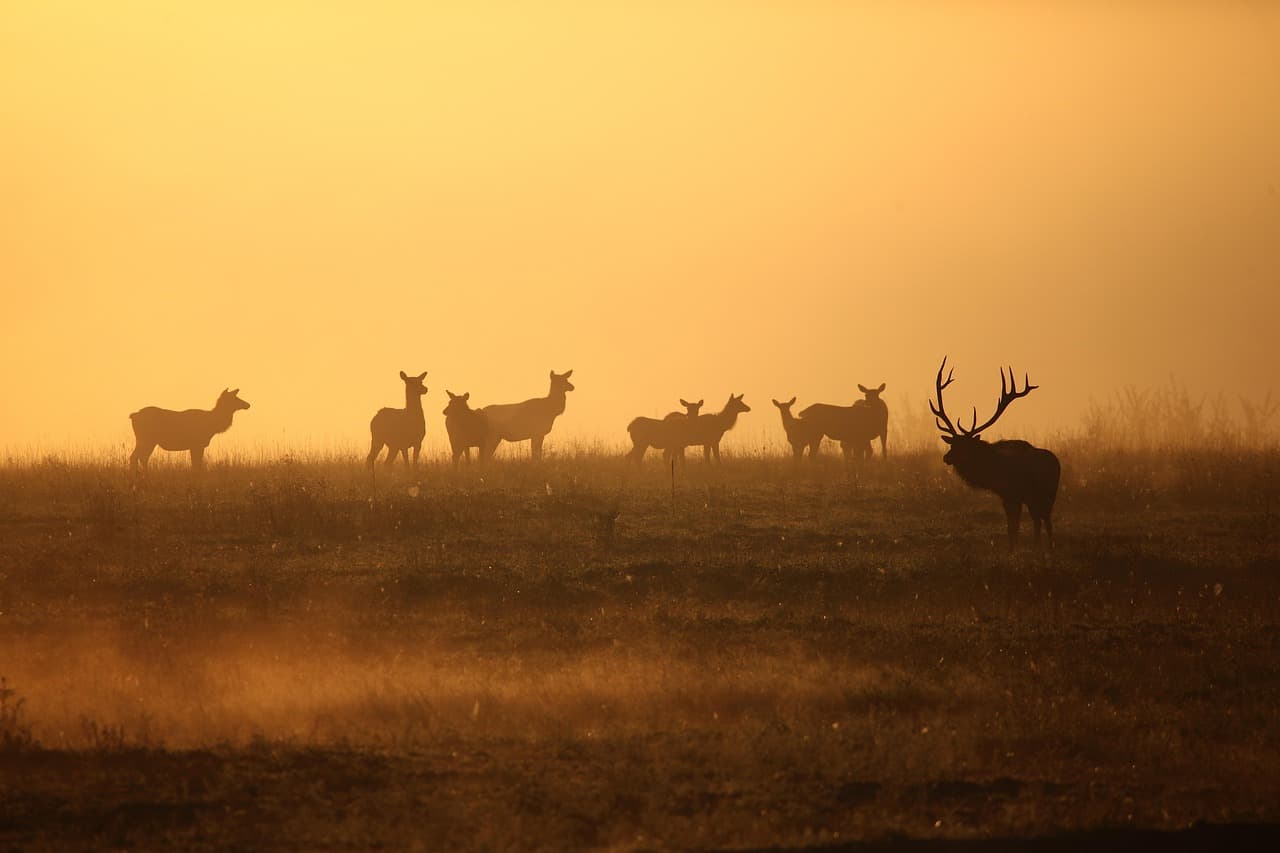
New World screwworm parasite confirmed in US wildlife for first time, in Texas elk
The USDA said on Wednesday it had confirmed the first detection of the New World screwworm in US wildlife: a flesh-eating parasite found in an elk on a game ranch in Pecos county, Texas, reported after the animal was harvested by a hunter.
New World screwworm parasite confirmed in US wildlife for first time, in Texas elk
First wildlife case
The US Department of Agriculture has confirmed the first appearance of the New World screwworm in US wildlife, identifying the flesh-eating parasite in an elk in Pecos county, Texas. The USDA announced the confirmation on Wednesday. The animal was on a game ranch, and the case came to light after a hunter harvested it.
Surveillance and zone change
Following the finding, the Texas animal health commission will modify the infested zone it previously established. At the same time, the USDA and the Texas parks and wildlife department are carrying out additional wildlife surveillance in the area.
Hunters urged to watch
Texas wildlife division director Alan Cain asked those spending time outdoors to keep an eye out for the parasite during hunting season.
"We encourage all hunters and landowners to be vigilant for signs of New World screwworm while they are out in the field this season"
Return of an eradicated pest
The elk case adds to a series of detections in a pest the US had eliminated decades ago, and which has since pushed north from Central America through Mexico. The trajectory this year:
- In June, the screwworm was found on a calf in Zavala county, Texas, near the US-Mexico border.
- Dozens of cases have been detected in the US this year, including on a horse and on a dog.
- Washington imposed a more than year-long ban on Mexican cattle imports in response.
The halt on livestock imports from Mexico was resumed in August at an Arizona port under a phased reopening plan. The import suspension tightened US cattle supplies and drove beef prices to record highs for American consumers. Surveillance in the Pecos county area continues as the Texas animal health commission adjusts the infested zone.