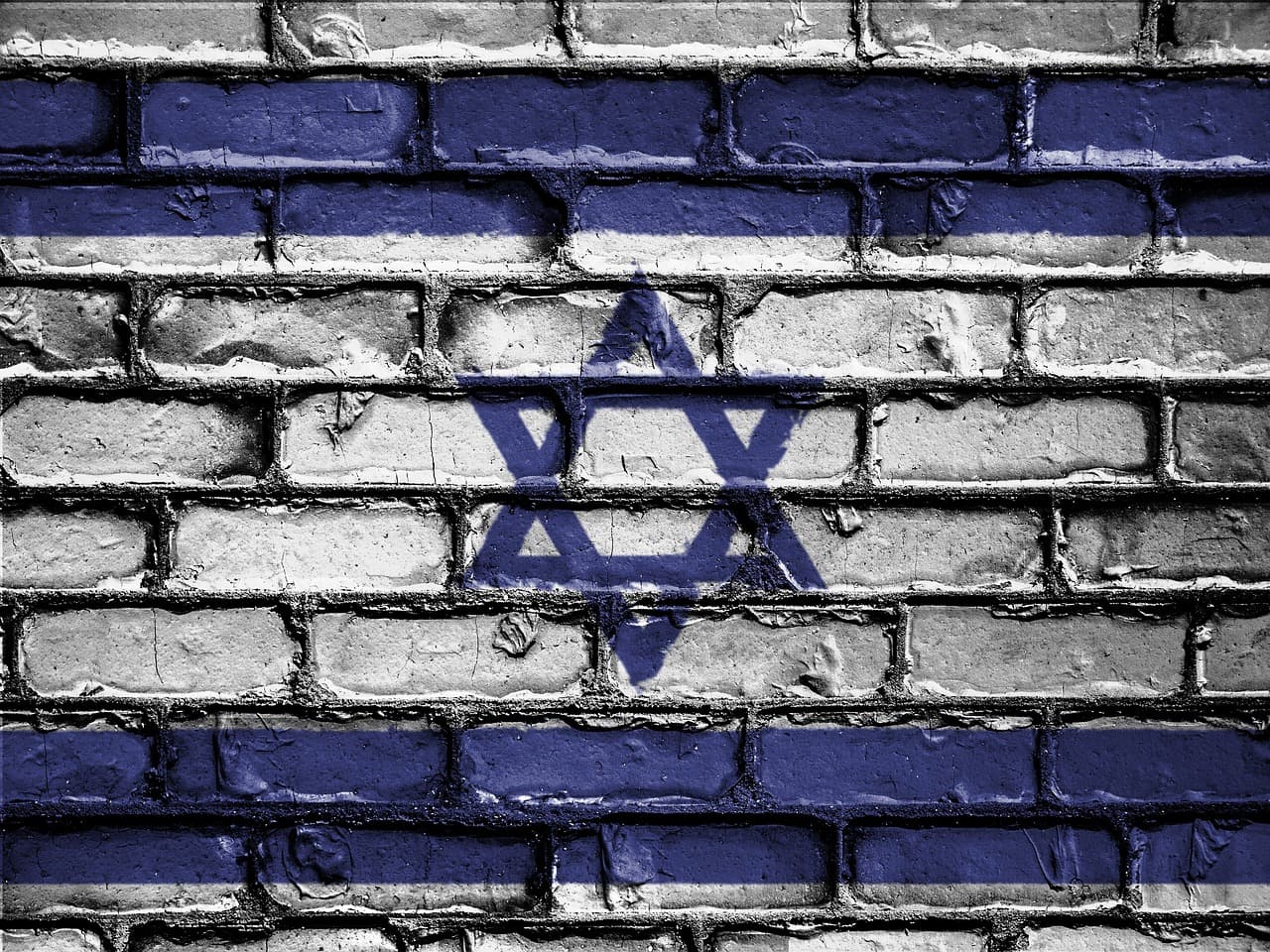
Netanyahu Coalition Defeated but Jewish-Arab Partnership Faces Its Test
WORLD · ELECTIONS

Netanyahu Coalition Defeated but Jewish-Arab Partnership Faces Its Test

Benjamin Netanyahu's coalition lost its mandate in Israel's election, yet most of the Jewish opposition still rules out governing with Palestinian-led parties, leaving calls for a Jewish-Arab partnership untested.

By LiveDigestPublished Wednesday, October 28, 2026 · 19:20 GMT | 3 min read

Netanyahu Coalition Defeated but Jewish-Arab Partnership Faces Its Test

01 / ELECTIONS

Golan: 'Netanyahu lost'

Final Israeli election results were not yet in, but Benjamin Netanyahu's far-right coalition had lost its mandate and the opposition held a firm majority. The question gripping Israeli politics, however, was not whether the Netanyahu coalition had been beaten, but whether its opponents were willing to govern alongside the Palestinian-led parties that helped make that possible.

Yair Golan, leader of the centre-left Democrats, was in no doubt. "Netanyahu lost. I know how to count," he said in a statement, calling for what he described as an opportunity "to form a change government in partnership with Arab citizens of Israel", a community making up about 20% of the population.

02 / ELECTIONS

Palestinian-led parties offer partnership

The offers from the Palestinian-led side were already on the table:

  • Yousef Jabareen, leader of the larger Joint List, said "We are ready and prepared to pave the way for the ousting of the Netanyahu government", adding "The change comes through Jewish-Arab partnership."
  • The Islamist Ra'am party placed a Jewish former police chief second on its slate, a signal of willingness to work with Jewish Israelis.
  • Palestinian citizens, facing surging crime, discrimination and home demolitions inside Israel, turned out in record numbers.
03 / ELECTIONS

Opposition silence and conditions

Most of Israel's Jewish opposition, though, has ruled out governing with Palestinian-led parties. On Wednesday the opposition leaders were silent, apparently weighing their desire to unseat Netanyahu against promises not to work with Palestinians. Former general Gadi Eisenkot, leader of the biggest opposition party, has not directly ruled out governing with Palestinians, but laid out conditions that made it politically impossible for them to join a coalition.

04 / ELECTIONS

Racism at the heart of the campaign

Critics said Netanyahu had put racism at the heart of his campaign to bolster his support and complicate coalition negotiations for the opposition. "The right or Palestine" read a slogan featured on many of his election posters, framing a fifth of the country's population as an enemy within.

On election night he claimed his vision for Israel had been vindicated. "The rightwing bloc has a clear, decisive majority among the Zionist public," he said, adding "We must form a strong national-right government." Critics noted, though, that neither do some ultra-orthodox groups in his own coalition describe themselves as Zionist.

05 / ELECTIONS

A precedent rarely mentioned

The refusal sits awkwardly with voters' own attitudes. A survey taken as polls closed, cited by researcher Eran Halperin, showed a clear majority of opposition voters supported forming a government with the Palestinian-led Ra'am to unseat Netanyahu.

There is also a precedent rarely mentioned today: three decades ago Yitzhak Rabin relied on Palestinian support for a minority government while pursuing a negotiated end to the conflict.

With final results still pending and most Jewish opposition parties ruling out Palestinian-led partners, the exclusion of a broader alliance could yet let Netanyahu stay in office or serve as caretaker prime minister, possibly leading to new elections.


Netanyahu Coalition Defeated but Jewish-Arab Partnership Faces Its Test
WORLD · ELECTIONS

Netanyahu Coalition Defeated but Jewish-Arab Partnership Faces Its Test

Benjamin Netanyahu's coalition lost its mandate in Israel's election, yet most of the Jewish opposition still rules out governing with Palestinian-led parties, leaving calls for a Jewish-Arab partnership untested.

By LiveDigestPublished Wednesday, October 28, 2026 · 19:20 GMT | 3 min read

Netanyahu Coalition Defeated but Jewish-Arab Partnership Faces Its Test

01 / ELECTIONS

Golan: 'Netanyahu lost'

Final Israeli election results were not yet in, but Benjamin Netanyahu's far-right coalition had lost its mandate and the opposition held a firm majority. The question gripping Israeli politics, however, was not whether the Netanyahu coalition had been beaten, but whether its opponents were willing to govern alongside the Palestinian-led parties that helped make that possible.

Yair Golan, leader of the centre-left Democrats, was in no doubt. "Netanyahu lost. I know how to count," he said in a statement, calling for what he described as an opportunity "to form a change government in partnership with Arab citizens of Israel", a community making up about 20% of the population.

02 / ELECTIONS

Palestinian-led parties offer partnership

The offers from the Palestinian-led side were already on the table:

  • Yousef Jabareen, leader of the larger Joint List, said "We are ready and prepared to pave the way for the ousting of the Netanyahu government", adding "The change comes through Jewish-Arab partnership."
  • The Islamist Ra'am party placed a Jewish former police chief second on its slate, a signal of willingness to work with Jewish Israelis.
  • Palestinian citizens, facing surging crime, discrimination and home demolitions inside Israel, turned out in record numbers.
03 / ELECTIONS

Opposition silence and conditions

Most of Israel's Jewish opposition, though, has ruled out governing with Palestinian-led parties. On Wednesday the opposition leaders were silent, apparently weighing their desire to unseat Netanyahu against promises not to work with Palestinians. Former general Gadi Eisenkot, leader of the biggest opposition party, has not directly ruled out governing with Palestinians, but laid out conditions that made it politically impossible for them to join a coalition.

04 / ELECTIONS

Racism at the heart of the campaign

Critics said Netanyahu had put racism at the heart of his campaign to bolster his support and complicate coalition negotiations for the opposition. "The right or Palestine" read a slogan featured on many of his election posters, framing a fifth of the country's population as an enemy within.

On election night he claimed his vision for Israel had been vindicated. "The rightwing bloc has a clear, decisive majority among the Zionist public," he said, adding "We must form a strong national-right government." Critics noted, though, that neither do some ultra-orthodox groups in his own coalition describe themselves as Zionist.

05 / ELECTIONS

A precedent rarely mentioned

The refusal sits awkwardly with voters' own attitudes. A survey taken as polls closed, cited by researcher Eran Halperin, showed a clear majority of opposition voters supported forming a government with the Palestinian-led Ra'am to unseat Netanyahu.

There is also a precedent rarely mentioned today: three decades ago Yitzhak Rabin relied on Palestinian support for a minority government while pursuing a negotiated end to the conflict.

With final results still pending and most Jewish opposition parties ruling out Palestinian-led partners, the exclusion of a broader alliance could yet let Netanyahu stay in office or serve as caretaker prime minister, possibly leading to new elections.

Netanyahu Coalition Defeated but Jewish-Arab Partnership Faces Its Test
WORLD · ELECTIONS

Netanyahu Coalition Defeated but Jewish-Arab Partnership Faces Its Test

By LiveDigest

Netanyahu Coalition Defeated but Jewish-Arab Partnership Faces Its Test

01 / ELECTIONS

Golan: 'Netanyahu lost'

Final Israeli election results were not yet in, but Benjamin Netanyahu's far-right coalition had lost its mandate and the opposition held a firm majority. The question gripping Israeli politics, however, was not whether the Netanyahu coalition had been beaten, but whether its opponents were willing to govern alongside the Palestinian-led parties that helped make that possible.

Yair Golan, leader of the centre-left Democrats, was in no doubt. "Netanyahu lost. I know how to count," he said in a statement, calling for what he described as an opportunity "to form a change government in partnership with Arab citizens of Israel", a community making up about 20% of the population.

02 / ELECTIONS

Palestinian-led parties offer partnership

The offers from the Palestinian-led side were already on the table:

  • Yousef Jabareen, leader of the larger Joint List, said "We are ready and prepared to pave the way for the ousting of the Netanyahu government", adding "The change comes through Jewish-Arab partnership."
  • The Islamist Ra'am party placed a Jewish former police chief second on its slate, a signal of willingness to work with Jewish Israelis.
  • Palestinian citizens, facing surging crime, discrimination and home demolitions inside Israel, turned out in record numbers.
03 / ELECTIONS

Opposition silence and conditions

Most of Israel's Jewish opposition, though, has ruled out governing with Palestinian-led parties. On Wednesday the opposition leaders were silent, apparently weighing their desire to unseat Netanyahu against promises not to work with Palestinians. Former general Gadi Eisenkot, leader of the biggest opposition party, has not directly ruled out governing with Palestinians, but laid out conditions that made it politically impossible for them to join a coalition.

04 / ELECTIONS

Racism at the heart of the campaign

Critics said Netanyahu had put racism at the heart of his campaign to bolster his support and complicate coalition negotiations for the opposition. "The right or Palestine" read a slogan featured on many of his election posters, framing a fifth of the country's population as an enemy within.

On election night he claimed his vision for Israel had been vindicated. "The rightwing bloc has a clear, decisive majority among the Zionist public," he said, adding "We must form a strong national-right government." Critics noted, though, that neither do some ultra-orthodox groups in his own coalition describe themselves as Zionist.

05 / ELECTIONS

A precedent rarely mentioned

The refusal sits awkwardly with voters' own attitudes. A survey taken as polls closed, cited by researcher Eran Halperin, showed a clear majority of opposition voters supported forming a government with the Palestinian-led Ra'am to unseat Netanyahu.

There is also a precedent rarely mentioned today: three decades ago Yitzhak Rabin relied on Palestinian support for a minority government while pursuing a negotiated end to the conflict.

With final results still pending and most Jewish opposition parties ruling out Palestinian-led partners, the exclusion of a broader alliance could yet let Netanyahu stay in office or serve as caretaker prime minister, possibly leading to new elections.