Australia on track for 48% emissions cut by 2035, short of 62–70% target, as Leah Blyth's One Nation defection stuns Liberals
WORLD · CLIMATE

Australia on track for 48% emissions cut by 2035, short of 62–70% target, as Leah Blyth's One Nation defection stuns Liberals

New official projections show Australia on course to cut climate pollution by only 48% on 2005 levels by 2035, well below its 62–70% target, with no improvement on a year ago. The same day, federal Liberal senator Leah Blyth reportedly defected to One Nation, citing repeated compromises on legislation.

By LiveDigestPublished Thursday, November 26, 2026 · 02:24 GMT | 5 min read

Australia on track for 48% emissions cut by 2035, short of 62–70% target, as Leah Blyth's One Nation defection stuns Liberals

01 / CLIMATE

2035 emissions target slipping

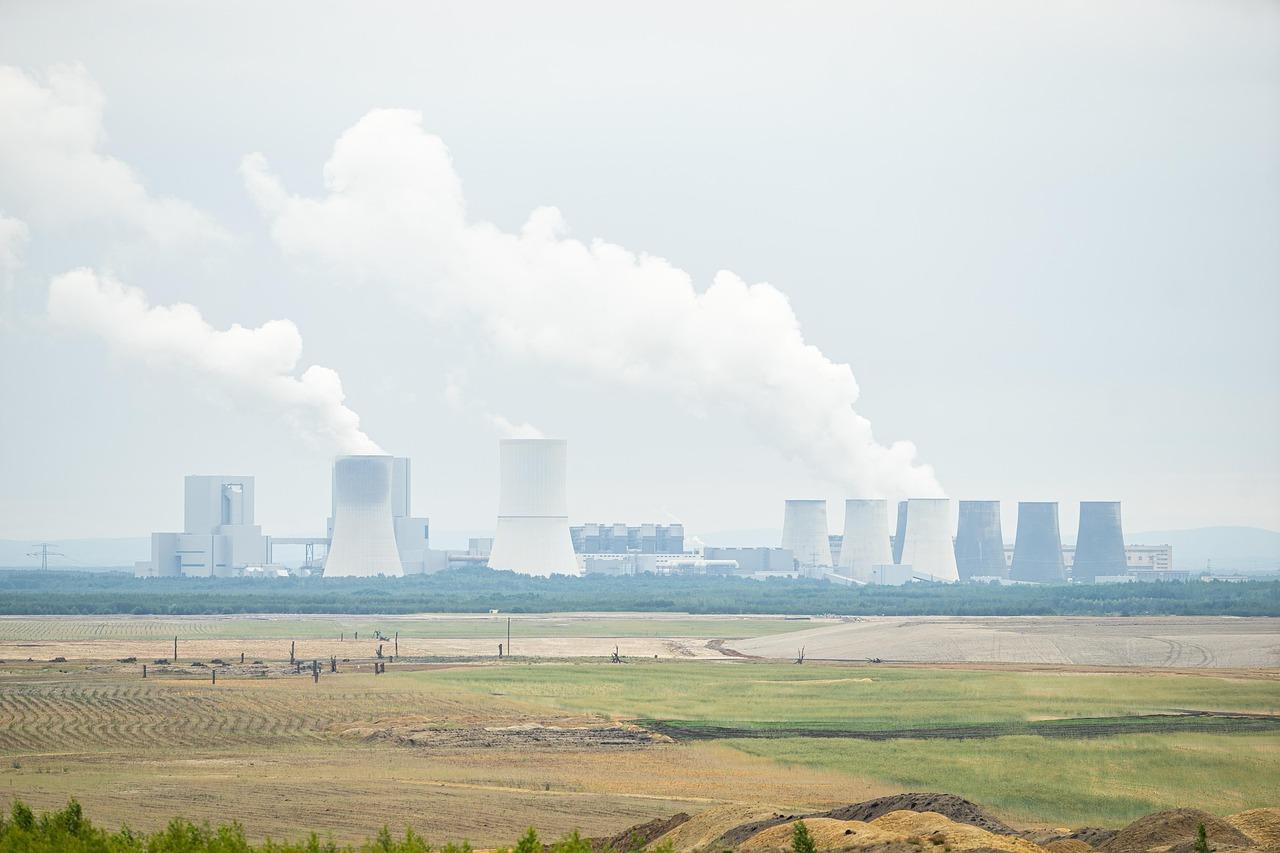
New official projections put Australia on course to cut climate pollution by only 48% compared with 2005 levels by 2035, well below the country's 62–70% target, unless policies are ramped up. The projection is unchanged: progress towards the 2035 target has not improved since the last set of projections was released a year ago.

The picture for the nearer 2030 goal is similar. The government forecast Australia will reduce its carbon emissions by 42% on 2005 levels by 2030, just under its target for a 43% cut.

02 / CLIMATE

Bowen's case on coal and rooftop solar

Energy minister Chris Bowen told the house that Australia's coal-fired power stations are about 40 years old on average and must be replaced. He said that in the past three years there has not been a single day without a coal-fired power station breaking down, and that these failures are driving energy prices up.

"It's the hottest year on record. Year after year, after year, sets a new record."

Those were Bowen's words on the climate backdrop, and he added that the international community is no longer entertaining those who claim climate change is not real. On wholesale energy prices in the national energy market, he said they fell 27% in the year to September, and he called on retailers to pass that drop on to customers.

Bowen pointed to household take-up of clean energy as evidence of momentum:

  • Emissions fell by 6.2m tonnes in the year to June, and annual emissions are already 25.3% below 2005 levels.
  • Newly installed rooftop solar capacity was 45% higher in the first three-quarters of this year than in the same period in 2025.
  • There are now more rooftop solar panels in Australia than backyard swimming pools.
  • The cheaper home batteries program has helped households install more than 622,000 batteries, more than 75% of them in outer suburban and regional areas.
  • Those installations represent 17.35GWh of storage, lifting Australia's home battery capacity more than fivefold.

At Cop31 in Turkey, Bowen defended Australia's leadership, noting that the 190 countries gathered did not reach consensus on the overarching cover decision but did agree on 44 of 60 substantive items. He said many countries signed the "35 by 35" pledge to raise electricity's share of global energy consumption to 35% by 2035. The talks had broken down days before his statement, and Bowen said he was frustrated after many countries, including the European Union, refused to back a proposal that excluded mention of fossil fuels.

03 / CLIMATE

Tehan and the energy price fight

Coalition energy spokesperson Dan Tehan answered with the cost of living. "I shouldn't laugh, because this is actually causing real pain to Australians and real pain in their lead-up to Christmas," he said.

Tehan marked - a week early - the fifth anniversary of Labor's 2021 opposition promise to cut household electricity bills by $275 a year by 2025. He cited Rystad Energy forecasts that Australia's wholesale energy prices will double by 2030, blaming coal shutting too fast and renewables entering too slow.

The counterpoint in the chamber was retail billing: energy prices rose 25% in the year to October, mainly reflecting the expiration of the Albanese government's rebates.

04 / CLIMATE

Liberal senator Leah Blyth's One Nation defection

Against the same backdrop, federal Liberal senator Leah Blyth reportedly defected to One Nation. At her press conference, she said her exit from the Coalition was partly because the Liberals backed a controversial defence bill, and claimed she had been forced to "compromise" too many times on legislation.

Her stated examples met an awkward reception:

  • She cited the digital duty of care bill, which the Coalition has opposed from essentially day one.
  • She pointed to the defence bases bill, saying it would hand sweeping powers to the defence minister and deserved robust debate.
  • One Nation had also voted for that bill, as reported earlier in the week.

When that was pointed out, Blyth quickly ended the press conference. On News24, she admitted she did not know One Nation had supported the defence bases bill, saying she was "not completely across all of the different policy positions that One Nation have".

She denied any inducement, saying there are no promises that have been made and that she is doing this because she believes it is what is best. Behind the move, though, was a major falling out with Liberal backbencher and South Australian state president Alex Antic, and an unwinnable spot on the Senate ticket at the next election.

05 / CLIMATE

Gas reservation scheme: Coalition will not block, wants amendments

The day's other parliamentary fight centred on the gas reservation scheme. The Coalition announced it will not block Labor's scheme but will push for amendments, including greater support for the gas sector. Shadow resources minister Susan McDonald said the Coalition's biggest concern is that the designed oversupply of gas in the domestic market will deter new investment, and that the party will not oppose the legislation "because we want affordable and reliable gas for Australians".

The numbers in the Senate leave the government in a strong position: Labor holds 30 seats, short of the 39 needed for a full majority, but if the Coalition abstains the government will still have more senators than the crossbench combined.

Australia on track for 48% emissions cut by 2035, short of 62–70% target, as Leah Blyth's One Nation defection stuns Liberals
WORLD · CLIMATE

Australia on track for 48% emissions cut by 2035, short of 62–70% target, as Leah Blyth's One Nation defection stuns Liberals

New official projections show Australia on course to cut climate pollution by only 48% on 2005 levels by 2035, well below its 62–70% target, with no improvement on a year ago. The same day, federal Liberal senator Leah Blyth reportedly defected to One Nation, citing repeated compromises on legislation.

By LiveDigestPublished Thursday, November 26, 2026 · 02:24 GMT | 5 min read

Australia on track for 48% emissions cut by 2035, short of 62–70% target, as Leah Blyth's One Nation defection stuns Liberals

01 / CLIMATE

2035 emissions target slipping

New official projections put Australia on course to cut climate pollution by only 48% compared with 2005 levels by 2035, well below the country's 62–70% target, unless policies are ramped up. The projection is unchanged: progress towards the 2035 target has not improved since the last set of projections was released a year ago.

The picture for the nearer 2030 goal is similar. The government forecast Australia will reduce its carbon emissions by 42% on 2005 levels by 2030, just under its target for a 43% cut.

02 / CLIMATE

Bowen's case on coal and rooftop solar

Energy minister Chris Bowen told the house that Australia's coal-fired power stations are about 40 years old on average and must be replaced. He said that in the past three years there has not been a single day without a coal-fired power station breaking down, and that these failures are driving energy prices up.

Those were Bowen's words on the climate backdrop, and he added that the international community is no longer entertaining those who claim climate change is not real. On wholesale energy prices in the national energy market, he said they fell 27% in the year to September, and he called on retailers to pass that drop on to customers.

Bowen pointed to household take-up of clean energy as evidence of momentum:

  • Emissions fell by 6.2m tonnes in the year to June, and annual emissions are already 25.3% below 2005 levels.
  • Newly installed rooftop solar capacity was 45% higher in the first three-quarters of this year than in the same period in 2025.
  • There are now more rooftop solar panels in Australia than backyard swimming pools.
  • The cheaper home batteries program has helped households install more than 622,000 batteries, more than 75% of them in outer suburban and regional areas.
  • Those installations represent 17.35GWh of storage, lifting Australia's home battery capacity more than fivefold.

At Cop31 in Turkey, Bowen defended Australia's leadership, noting that the 190 countries gathered did not reach consensus on the overarching cover decision but did agree on 44 of 60 substantive items. He said many countries signed the "35 by 35" pledge to raise electricity's share of global energy consumption to 35% by 2035. The talks had broken down days before his statement, and Bowen said he was frustrated after many countries, including the European Union, refused to back a proposal that excluded mention of fossil fuels.

"It's the hottest year on record. Year after year, after year, sets a new record."
03 / CLIMATE

Tehan and the energy price fight

Coalition energy spokesperson Dan Tehan answered with the cost of living. "I shouldn't laugh, because this is actually causing real pain to Australians and real pain in their lead-up to Christmas," he said.

Tehan marked - a week early - the fifth anniversary of Labor's 2021 opposition promise to cut household electricity bills by $275 a year by 2025. He cited Rystad Energy forecasts that Australia's wholesale energy prices will double by 2030, blaming coal shutting too fast and renewables entering too slow.

The counterpoint in the chamber was retail billing: energy prices rose 25% in the year to October, mainly reflecting the expiration of the Albanese government's rebates.

04 / CLIMATE

Liberal senator Leah Blyth's One Nation defection

Against the same backdrop, federal Liberal senator Leah Blyth reportedly defected to One Nation. At her press conference, she said her exit from the Coalition was partly because the Liberals backed a controversial defence bill, and claimed she had been forced to "compromise" too many times on legislation.

Her stated examples met an awkward reception:

  • She cited the digital duty of care bill, which the Coalition has opposed from essentially day one.
  • She pointed to the defence bases bill, saying it would hand sweeping powers to the defence minister and deserved robust debate.
  • One Nation had also voted for that bill, as reported earlier in the week.

When that was pointed out, Blyth quickly ended the press conference. On News24, she admitted she did not know One Nation had supported the defence bases bill, saying she was "not completely across all of the different policy positions that One Nation have".

She denied any inducement, saying there are no promises that have been made and that she is doing this because she believes it is what is best. Behind the move, though, was a major falling out with Liberal backbencher and South Australian state president Alex Antic, and an unwinnable spot on the Senate ticket at the next election.

05 / CLIMATE

Gas reservation scheme: Coalition will not block, wants amendments

The day's other parliamentary fight centred on the gas reservation scheme. The Coalition announced it will not block Labor's scheme but will push for amendments, including greater support for the gas sector. Shadow resources minister Susan McDonald said the Coalition's biggest concern is that the designed oversupply of gas in the domestic market will deter new investment, and that the party will not oppose the legislation "because we want affordable and reliable gas for Australians".

The numbers in the Senate leave the government in a strong position: Labor holds 30 seats, short of the 39 needed for a full majority, but if the Coalition abstains the government will still have more senators than the crossbench combined.

Australia on track for 48% emissions cut by 2035, short of 62–70% target, as Leah Blyth's One Nation defection stuns Liberals
WORLD · CLIMATE

Australia on track for 48% emissions cut by 2035, short of 62–70% target, as Leah Blyth's One Nation defection stuns Liberals

By LiveDigest

Australia on track for 48% emissions cut by 2035, short of 62–70% target, as Leah Blyth's One Nation defection stuns Liberals

01 / CLIMATE

2035 emissions target slipping

New official projections put Australia on course to cut climate pollution by only 48% compared with 2005 levels by 2035, well below the country's 62–70% target, unless policies are ramped up. The projection is unchanged: progress towards the 2035 target has not improved since the last set of projections was released a year ago.

The picture for the nearer 2030 goal is similar. The government forecast Australia will reduce its carbon emissions by 42% on 2005 levels by 2030, just under its target for a 43% cut.

02 / CLIMATE

Bowen's case on coal and rooftop solar

Energy minister Chris Bowen told the house that Australia's coal-fired power stations are about 40 years old on average and must be replaced. He said that in the past three years there has not been a single day without a coal-fired power station breaking down, and that these failures are driving energy prices up.

Those were Bowen's words on the climate backdrop, and he added that the international community is no longer entertaining those who claim climate change is not real. On wholesale energy prices in the national energy market, he said they fell 27% in the year to September, and he called on retailers to pass that drop on to customers.

Bowen pointed to household take-up of clean energy as evidence of momentum:

  • Emissions fell by 6.2m tonnes in the year to June, and annual emissions are already 25.3% below 2005 levels.
  • Newly installed rooftop solar capacity was 45% higher in the first three-quarters of this year than in the same period in 2025.
  • There are now more rooftop solar panels in Australia than backyard swimming pools.
  • The cheaper home batteries program has helped households install more than 622,000 batteries, more than 75% of them in outer suburban and regional areas.
  • Those installations represent 17.35GWh of storage, lifting Australia's home battery capacity more than fivefold.

At Cop31 in Turkey, Bowen defended Australia's leadership, noting that the 190 countries gathered did not reach consensus on the overarching cover decision but did agree on 44 of 60 substantive items. He said many countries signed the "35 by 35" pledge to raise electricity's share of global energy consumption to 35% by 2035. The talks had broken down days before his statement, and Bowen said he was frustrated after many countries, including the European Union, refused to back a proposal that excluded mention of fossil fuels.

"It's the hottest year on record. Year after year, after year, sets a new record."
03 / CLIMATE

Tehan and the energy price fight

Coalition energy spokesperson Dan Tehan answered with the cost of living. "I shouldn't laugh, because this is actually causing real pain to Australians and real pain in their lead-up to Christmas," he said.

Tehan marked - a week early - the fifth anniversary of Labor's 2021 opposition promise to cut household electricity bills by $275 a year by 2025. He cited Rystad Energy forecasts that Australia's wholesale energy prices will double by 2030, blaming coal shutting too fast and renewables entering too slow.

The counterpoint in the chamber was retail billing: energy prices rose 25% in the year to October, mainly reflecting the expiration of the Albanese government's rebates.

04 / CLIMATE

Liberal senator Leah Blyth's One Nation defection

Against the same backdrop, federal Liberal senator Leah Blyth reportedly defected to One Nation. At her press conference, she said her exit from the Coalition was partly because the Liberals backed a controversial defence bill, and claimed she had been forced to "compromise" too many times on legislation.

Her stated examples met an awkward reception:

  • She cited the digital duty of care bill, which the Coalition has opposed from essentially day one.
  • She pointed to the defence bases bill, saying it would hand sweeping powers to the defence minister and deserved robust debate.
  • One Nation had also voted for that bill, as reported earlier in the week.

When that was pointed out, Blyth quickly ended the press conference. On News24, she admitted she did not know One Nation had supported the defence bases bill, saying she was "not completely across all of the different policy positions that One Nation have".

She denied any inducement, saying there are no promises that have been made and that she is doing this because she believes it is what is best. Behind the move, though, was a major falling out with Liberal backbencher and South Australian state president Alex Antic, and an unwinnable spot on the Senate ticket at the next election.

05 / CLIMATE

Gas reservation scheme: Coalition will not block, wants amendments

The day's other parliamentary fight centred on the gas reservation scheme. The Coalition announced it will not block Labor's scheme but will push for amendments, including greater support for the gas sector. Shadow resources minister Susan McDonald said the Coalition's biggest concern is that the designed oversupply of gas in the domestic market will deter new investment, and that the party will not oppose the legislation "because we want affordable and reliable gas for Australians".

The numbers in the Senate leave the government in a strong position: Labor holds 30 seats, short of the 39 needed for a full majority, but if the Coalition abstains the government will still have more senators than the crossbench combined.