
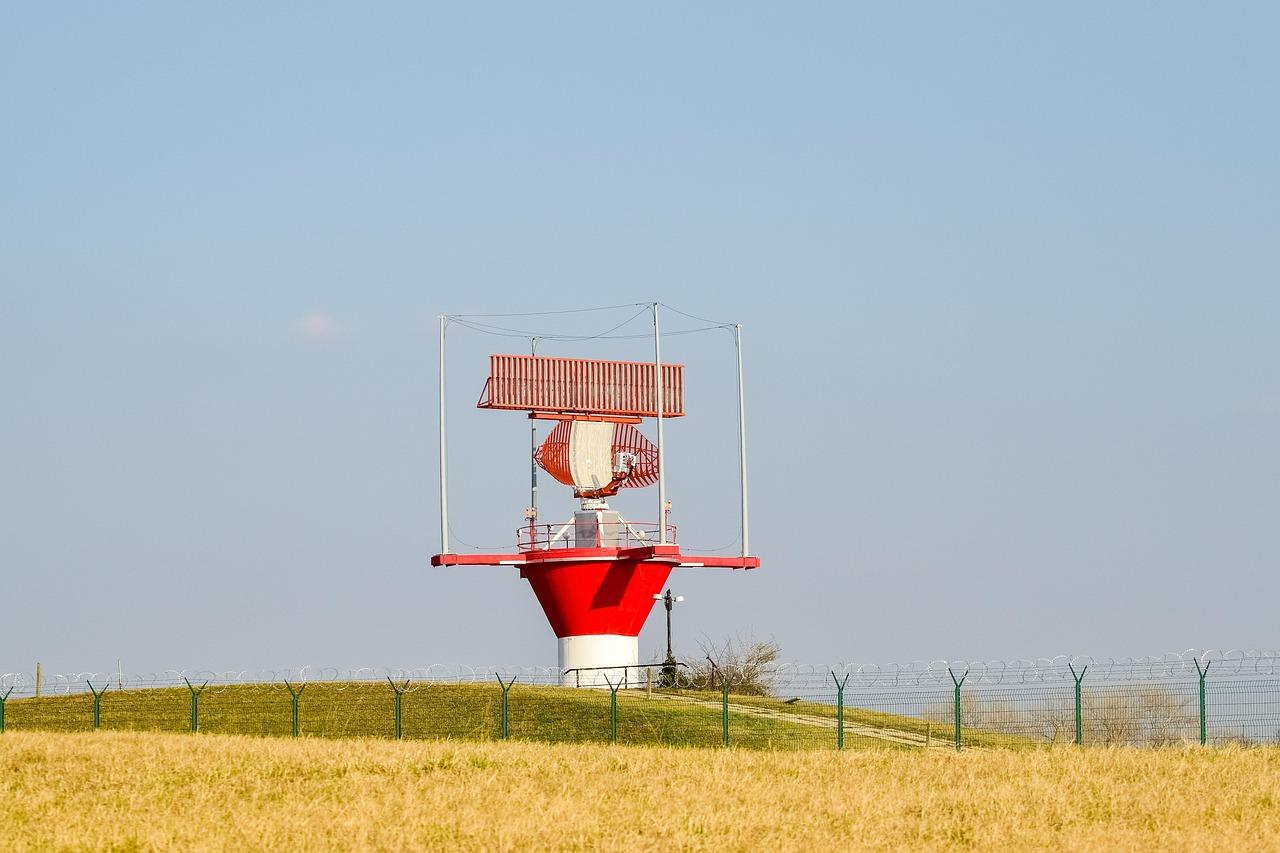
Iran claims US radar in Bahrain destroyed in IRGC retaliatory strike
Iran's Islamic Revolutionary Guard Corps says it destroyed a US early-warning radar in Bahrain in retaliation for an American airstrike on a communications tower in Sirik, in what it calls its first direct attack on US military installations for months. US Central Command denies the radar was destroyed.
Iran claims US radar in Bahrain destroyed in IRGC retaliatory strike
What the IRGC says happened
Iran's Islamic Revolutionary Guard Corps says it targeted and destroyed a US early-warning radar in Bahrain, framing the strike as retaliation for a US airstrike on a communications tower in Sirik overlooking the strait of Hormuz. According to the report, it is Iran's first direct attack on US military installations for months.
The IRGC presented the strike as a message as much as an attack.
This is a serious warning to the aggressor enemy to end its aerial mischief and oil smuggling in the strait of Hormuz
The IRGC added that its aerospace force is on full alert to confront the enemy without constraint if violations are repeated.
US account of the strike
US Central Command denied that the radar system had been destroyed, and said US forces had intercepted two Iranian drones headed for Bahrain.
Donald Trump, in media interviews over the past 24 hours, said he will attack Iran only if necessary, claiming Gulf countries such as Saudi Arabia have urged him to hold back from planned large-scale military strikes. He also said:
- He asked vice-president JD Vance to end his interest in negotiating a new deal with Iran and focus instead on corruption and fraud in Democrat-run cities and states.
- He was disappointed in the American public, saying higher diesel prices were a small price to pay for preventing Iran from acquiring a nuclear weapon.
On the peace-deal track, Iranian negotiators turned down a request from Vance for a one-on-one meeting, even though they had regarded him as the figure around Trump they trusted most.
Iran reviews its nuclear doctrine
A Thursday statement from the Assembly of Experts urged a fresh look at Iran's membership of the nuclear non-proliferation treaty, which the clerical body called an "unavoidable necessity". It is the first governing institution in Iran to ask for the country's defence doctrine to be examined, a process that could open the way to religious permission to pursue a nuclear weapon.
The statement's weight comes from who issued it: the 88-strong assembly consists of senior clerics empowered to exercise independent Islamic legal reasoning. Iran's ban on nuclear weapons rests on a fatwa from the late supreme leader Ali Khamenei, and the US attacks have led many to question whether that ruling still holds. Whether the country holds enough uranium or the technical means to build such a weapon is itself disputed.
The UN nuclear inspectorate voiced alarm about the Isfahan enrichment facility.
We do not know the exact location of the Isfahan uranium enrichment facility or whether it contains nuclear materials.
The inspectorate said it is imperative that it carry out its verification activities in Iran without further delay.
British opinion on a resumed war
A YouGov poll for the Council for Arab-British Understanding suggests British voters are wary of a return to fighting. Opposition to a US restart of the war stands at 65%, with just 14% backing it. On the UK's own role, 54% would keep American forces from using British bases to strike Iran, against 29% who would allow it. Extra UK sanctions against Iran draw a softer split: 45% support, 22% against.
The fieldwork ran on Tuesday and Wednesday, ahead of Thursday's conviction of two Iranians on charges of spying and plotting attacks on journalists in the UK. The Iranian embassy called the verdict an attempt to advance a political agenda.
Caabu director Chris Doyle pointed to what he called "the very high level of opposition to any further war amongst 2024 Labour voters, at 79%".
The IRGC keeps its aerospace force ready to respond without constraint to any repeat of the violations, while the UN inspectorate presses for its verification work in Iran to resume without further delay.


