Idaho wolf pup bounty: hunters paid thousands to kill 12 newborn pups, records show
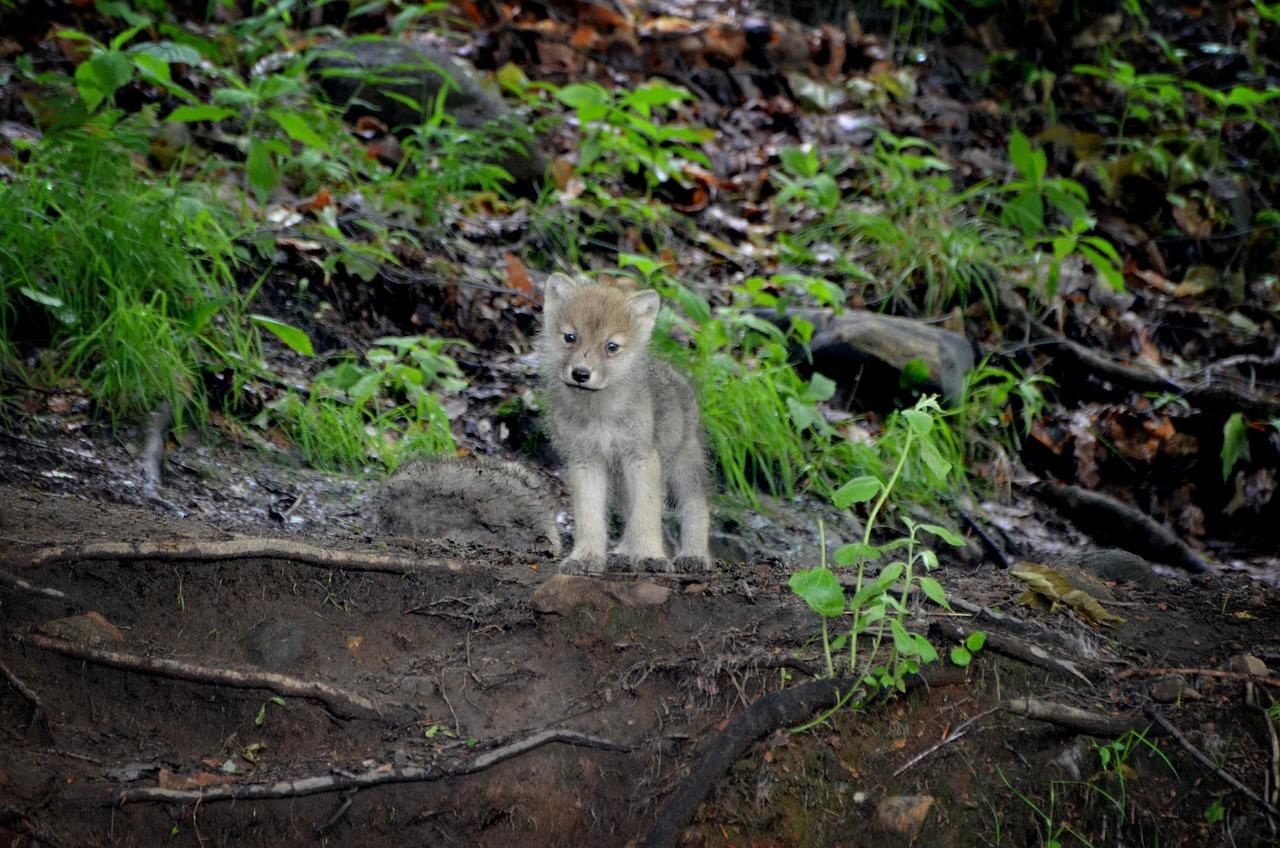
State records show Idaho paid hunters thousands of dollars for killing 12 newborn wolf pups this spring through a reimbursement program, including what appears to be a whole litter taken in or near its den on April 25 in the state's northern panhandle.
Idaho wolf pup bounty: hunters paid thousands to kill 12 newborn pups, records show
Idaho taxpayers helped fund payments of thousands of dollars to hunters who killed a dozen newborn wolf pups this spring, according to state records reviewed by the Guardian. The records point to at least one full litter killed in or near its den, and the idaho wolf pup bounty payments flowed through a reimbursement program run with a non-profit foundation.
What the records show about the April 25 kills
The documents describe a single day of killing. On April 25, three separate hunters shot 12 wolf pups with rifles in Idaho's northern panhandle region. At least two of the records also carry a contradictory note stating that 'no weapon' was used.
The animals were almost certainly very young. Wolves give birth once a year in the spring, and on April 25 the pups were likely between one and three weeks old.
The paperwork contains other details that wolf experts find hard to reconcile:
- All 12 pups are recorded as killed by 'still stalk', but wolf experts said the hunters more likely located dens and pulled the pups out to kill them.
- Hunters and trappers must present a skull and hide with proof of sex to a wildlife officer for every wolf killed, and an officer normally takes a tooth sample for aging and genetic analysis.
- No teeth were sampled from the 12 pups, likely because their teeth had not grown in or were too small, according to Idaho fish and game biologist Cory Mosby, who confirmed the 12 wolves documented in the records were pups.
- No state regulation bars killing pups, Mosby said; in practice, pup killings are limited by closing spring hunting and trapping seasons.
How the reimbursement program pays
The payments come through an arrangement struck in 2021, when Idaho game officials entered into an agreement with the Foundation for Wildlife Management, a non-profit seeking to reduce wolves to boost deer and elk numbers, to reimburse hunters' expenses for killing wolves.
Through the hunting season that ended in June, the program paid $2,000 per wolf kill, including the 12 pups. It is funded by taxpayer money, hunting license sales and contributions from the foundation.
What counts as an eligible expense is broad. The reimbursement covered truck payments, fuel, ammunition and outdoor clothing.
The program sits within a wider legal framework. A law passed five years ago by Idaho's Republican-dominated legislature loosened restrictions on hunting seasons, removed restrictions on killing methods and allowed people to contract third parties to kill wolves. Hunters and trappers can buy an unlimited number of wolf-killing permits, which cost $14 each for state residents and $32 for non-residents.
Experts reject the official account
Brooks Fahy, director of the advocacy group Predator Defense, called the program 'It's an abomination' and said most people, even in Idaho, would be appalled that taxpayer dollars pay for it.
Let's call this what it is – it's a goddamned bounty.
That was Fahy's verdict on the reimbursement scheme. Other longtime wolf specialists doubted the records' account of how the pups died.
Carter Niemeyer, who spent nearly three decades at the USDA's wildlife services, said cellular trail cameras make den monitoring easy and dismissed the stalking claim outright: "Killing six wolves or 12 wolves total all on the same day by stalking – that doesn't happen".
Doug Smith, former overseer of Yellowstone's wolf program, said pulling pups from dens is easy because the parents flee about 50 yards and bark. "If you can't reach them, you dig them out with a shovel", he said.
Niemeyer did not mince words about the payments themselves: "I'm a sportsman and that's stooping pretty low – collecting bounties on wolf pups".
Wolf numbers and what comes next
Idaho's killing of pups is not unprecedented in the state. Hunters killed three pups with rifle shots in the same region two years ago, according to the Idaho Statesman, and federal wildlife control officers killed eight wolf pups from Idaho's Timberline pack outside Boise in 2021.
The payments are tied to a population target. Idaho's 2023 state management plan mandates culling wolves to about 650 animals in spring, and the yearlong season is designed to reach that number, with rules likely to tighten as the count falls, Mosby said. Idaho wildlife authorities estimate the population peaked at about 1,600 wolves in spring 2019 and still stood at more than 1,100 this year despite aggressive hunting and the state-backed payments.
Reaching the target would demand more than the program has so far achieved. Mosby said it would require consistently killing more than a third of the wolf population annually, describing wolves as "an incredibly impressive and resilient species".
Gray wolves were nearly wiped out in the continental United States by the mid-20th century through government extermination programs, but rebounded in Idaho after reintroduction by the US Fish and Wildlife Service in 1995. The northern Rocky states of Idaho, Montana and Wyoming have all secured state management since that reintroduction, while gray wolves remain protected under the Endangered Species Act in most of the continental United States.
In September, Donald Trump signed an executive order encouraging the interior department to consider stripping gray wolves of ESA protections across the continental United States, while those protections remain tied up in federal litigation. At the signing ceremony, Trump asked an Arizona rancher "You can shoot them as of today?" about Mexican gray wolves, and agriculture secretary Brooke Rollins said interior secretary Doug Burgum "has to do a little magic, but yes".
Fahy warned that the president's words could embolden killing: "Trump says you can go out and kill wolves now – how many people took him at his word?".
Smith added a caution about what whole-litter kills mean for the animals themselves, saying the pups are "They're the glue that holds the pack together" and warning that killing entire litters could fracture or dissolve a pack.
Neither the Foundation for Wildlife Management nor the Idaho wolf depredation control board, which oversees payments for third-party wolf killings, responded to requests for comment.