
Hungary to publish communist-era informant files naming tens of thousands
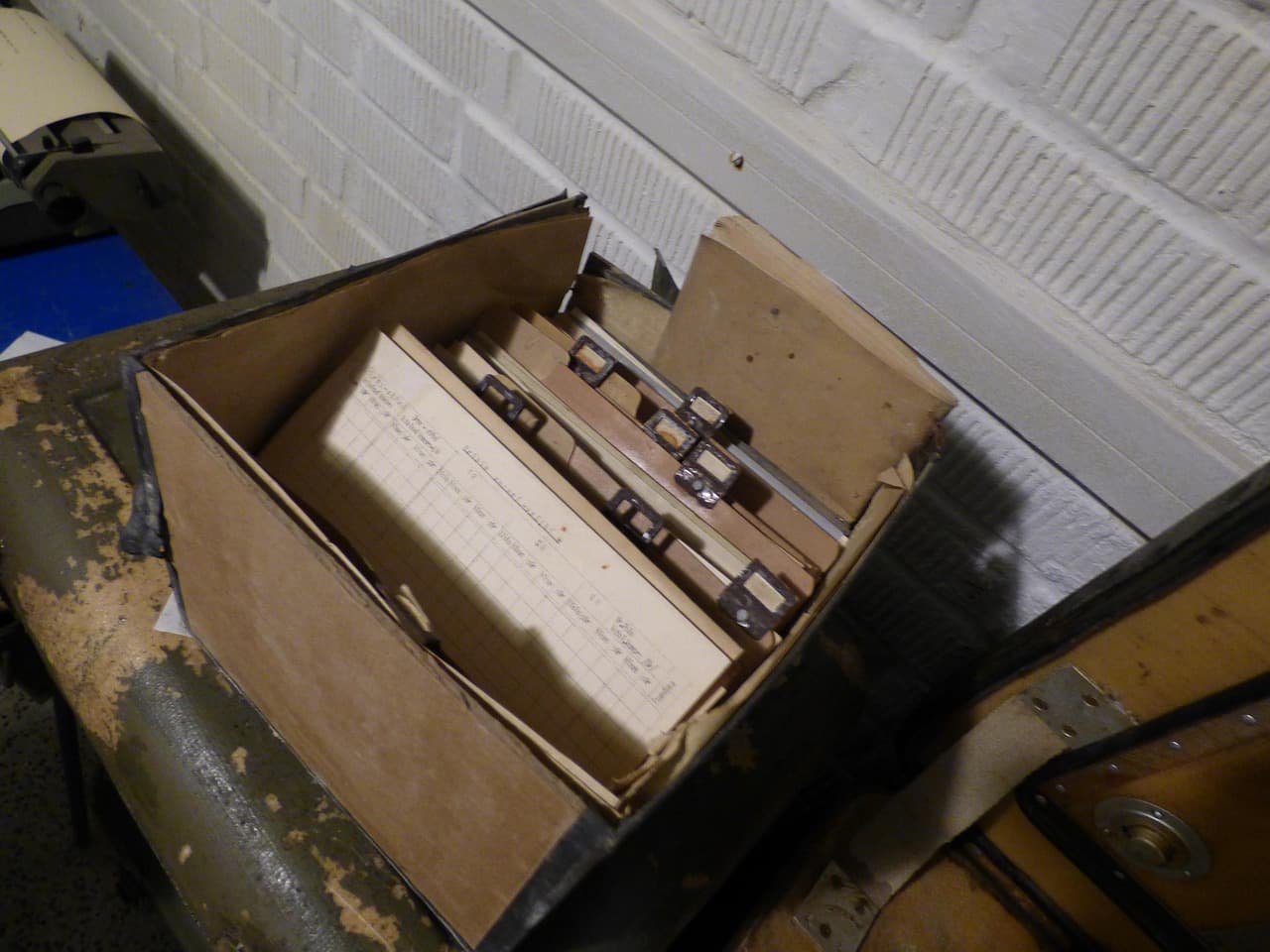
Hungary's new government will on Wednesday (4 November) reveal the names of tens of thousands of communist-era state informants, opening agent files kept at the Historical Archives of the State Security Services that were previously largely inaccessible to the public.
Hungary to publish communist-era informant files naming tens of thousands
The publication of Hungary's communist-era informant files goes ahead on Wednesday, when the names of between 50,000 and 60,000 people who informed for the state-security services go online in a searchable database. The agent files, long held in the basement of the Historical Archives of the State Security Services and largely closed to the public, will become accessible to anyone.
How the files opened
Péter Magyar promised during his campaign ahead of Hungary's April parliamentary elections that he would make the state security files public. After the election, his government passed a law in September that paved the way for publication, a move that polls indicated was supported by more than two-thirds of the country.
The release was originally scheduled to coincide with the anniversary of the 1956 anti-Soviet revolution, but was pushed back to 4 November. Until now, access to the reports on informants was restricted to researchers and to relatives of victims.
Zoltán Tarr, the minister of social relations and culture, wrote on Facebook: "A democratic society has the right to know its past."
What the files contain
The documents span the four decades in which Hungary's communist state-security services depended on a vast network of informants to monitor society and suppress dissent.
- Some informants were blackmailed or coerced into reporting on neighbours, friends, colleagues and even family members; others were recruited with promises of advantages.
- Laid side by side, the surviving documents would stretch for three miles, roughly the perimeter of London's Hyde Park.
- The Hungarian collection is small compared with those of the Polish or Romanian secret services, according to István Papp.
- Many files were destroyed during the 1956 anti-Soviet uprising, and others disappeared during the 1989 transition.
Who was named, and what comes next
Historians estimate that about 10% of the 50,000 to 60,000 named people are alive today, Papp said. The archives include detailed files, background checks and statements for only 9,000 of them; these will be released in February, once personal information such as health, addictions and sexuality, as well as information about victims, has been redacted in line with privacy laws.
"We are opening wide a door that was left ajar," said Papp, a historian and head of the archives' academic department.
With the new searchable online database, researchers say, Hungary's former state service will become the most transparent in the former eastern bloc. East Germany opened its Stasi files in 1992, the Czech Republic made its files public in 2003, and Latvia published informant files in 2018.
Families confront the past
Alexander Faludy, a freelance journalist and Anglican priest, read his family's files almost two decades ago. His grandfather, the writer György Faludy, spent more than three years in a Hungarian labour camp on fabricated accusations and wrote My Happy Days in Hell in exile. An informant had befriended his dying grandmother, but Faludy's anger dissolved when he saw her relatives in Hungary were under threat. "Suddenly, my anger evaporated. I just felt very sorry for her," he said.
Since the 2000s, several partial lists naming politicians and prominent artists have emerged, and even when the people named denied involvement, the allegations alone triggered political crises. Not many former agents have spoken publicly, and the subject remains taboo in Hungary.
Miklós Kiss, a survivor of a Hungarian forced labour camp who leads an association for victims, would have preferred Hungary to release the files earlier, as Germany did. "People will learn that there were traitors in every family, in every neighbourhood and street," he said.
In July, Szemlélek, an independent religious online journal, called on former agents to come forward. Religious figures were a known target of the state services, often blackmailed into reporting on their congregations, with estimates suggesting 7-10% cooperated. No one has volunteered so far. "I think many people feel that there isn't really much to speak about," the journal's editor-in-chief, Szilárd Szőnyi, said.
Domokos Szokolay, a historian, has a personal stake in the publication: his father, Zoltán Szokolay, a poet and politician, was outed as an informant in an unofficial list in 2005. Zoltán Szokolay died in 2020, and his son has yet to read all the reports on him. Domokos Szokolay hopes this time "the release won't turn into a public shaming, but that people will understand that these are complex issues," and he hopes that speaking openly about transgenerational trauma will reassure others.
"I know confronting one's family history can be scary or even painful. But learning about it is always better," Szokolay said.
The names go online on 4 November. The detailed files on the 9,000 people for whom fuller records exist follow in February, once information on health, addictions, sexuality and victims has been redacted.


