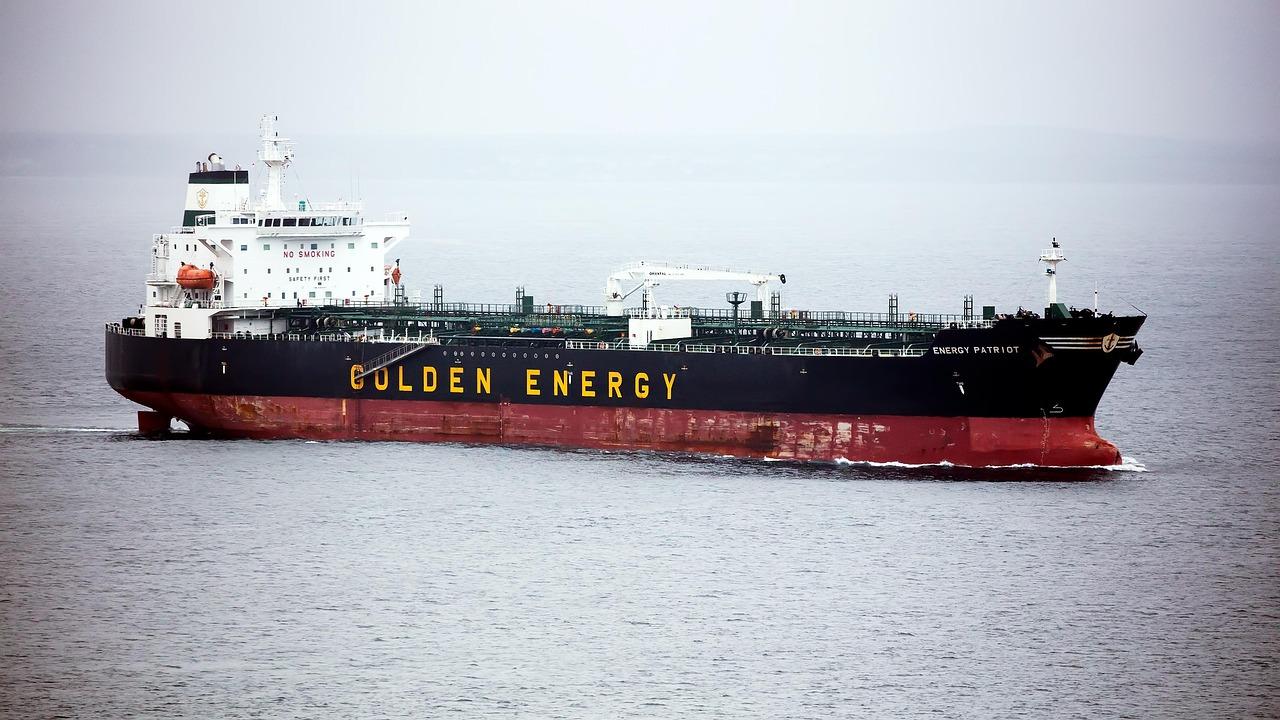
Gulf oil spills from tanker attacks spread across strait of Hormuz ecosystems
WORLD · ENVIRONMENT

Gulf oil spills from tanker attacks spread across strait of Hormuz ecosystems

More than 133 attacks on oil tankers in the eight-month US-Iran war have spilled crude across the Gulf, and satellite imagery now shows oil slicks threatening coral reefs, mangroves and turtle nesting sites throughout the strait of Hormuz.

By LiveDigestPublished Thursday, November 12, 2026 · 03:15 GMT | 5 min read

Gulf oil spills from tanker attacks spread across strait of Hormuz ecosystems

01 / ENVIRONMENT

Spills mapped from orbit

A naval blockade of the strait of Hormuz has made documenting the pollution from the ground almost impossible, so researchers depend on satellite imagery and expert testimony to track the gulf oil spills spreading through the waterway. Since the war between the US and Iran began on 28 February, Greenpeace has identified more than 500 oil spills through satellite monitoring across the Gulf, the strait of Hormuz and the Arabian Sea, including spills linked to vessel attacks and others whose origin remains unconfirmed.

Greenpeace expert Nina Noelle said the cumulative daily mapped spill footprints total approximately 20,000 square kilometres – almost the size of Wales.

  • Greenpeace counts more than 133 tanker attacks since the conflict began.
  • According to the Washington Institute for Near East Policy, no month was as bad as October, when the strait of Hormuz and surrounding waters saw over 30 attacks either confirmed or reported; strikes went on into November.
  • Iran's Islamic Revolutionary Guard Corps has been blamed for most of the attacks, but US forces have also targeted tankers, disabling vessels crossing the US naval blockade and striking others in response to Iranian missile attacks on US warships.
02 / ENVIRONMENT

Attacks behind the slicks

Throughout October, tankers were struck by missiles or sea mines in the waterway and spilled crude into the sea. The strikes have left slicks of very different sizes across the region:

  • A strike on the supertanker Gem No 2 off the UAE coast left a slick stretching more than 21 miles (35km); a 19 October satellite image shows black oil moving into waters off Umm Al Quwain.
  • Greenpeace estimates an early-June tanker attack produced a slick off the coast of Oman that covered more than 600 sq km (230 sq miles) at its peak.
  • An attack on the Liberian-flagged Minoan Pioneer on 3 August has also been linked to a major slick.
  • Wim Zwijnenburg, an environmental researcher with the Dutch organisation Pax, said two Iranian naval vessels hit in March continued leaking oil for months.

According to a Wall Street Journal report, the largest spill came from a strike carried out by the UAE's air force on oil storage tanks on Lavan Island, affecting coastal areas including the Shidvar Island nature reserves. After the Gem No 2 attack, the UAE closed beaches, launched a major cleanup and monitored desalination plants.

03 / ENVIRONMENT

Habitats in the path of the oil

The strait of Hormuz is the only maritime passage between the Gulf and the Arabian Sea and hosts coral reefs, mangrove forests and seagrass meadows. It circulates water and nutrients, serves as a migration route for marine mammals, and even in peacetime its ecosystems have faced mounting pressure from shipping, oil extraction and coastal development.

Satellite imagery has traced the slicks toward sensitive habitats. In March, a slick from the Shahid Bagheri was detected near the Hara mangroves; in April, pollution threatened the protected Shidvar Island, home to coral reefs, seabirds and turtles; and in August, oil was reported washing ashore at Qeshm Island, near important fishing grounds and turtle nesting sites. Imagery also shows slicks near Oman's Musandam national park, home to coral reefs and seabird breeding grounds, and Iran's Minab River delta, which has protected mudflats and mangrove forests.

Where oil reaches birds and mangroves, the effects are direct: oil can coat birds' feathers, making it difficult for them to float and find food, and can cover mangrove roots, preventing oxygen absorption and potentially killing the trees.

04 / ENVIRONMENT

What past wars left behind

Bernhard Riegl, a marine biologist at Nova Southeastern University in Florida who has studied the Gulf for more than 30 years, warned the war could cause lasting damage to its confined waters, already under pressure from the climate crisis. He said the Gulf's shallowness and calm summers turn atmospheric heat into ocean heat that kills corals, algae and fish.

"There is no cold, deep water that could mix and buffer this heat," Riegl said.

He cited the aftermath of the Iran-Iraq war of the 1980s and the first Gulf war, when tankers, loading facilities and oilfields were targeted, as evidence of lasting large-scale oil pollution impacts on Gulf ecosystems. A 2020 study traced widespread deposits of tar on Qatari beaches to the Gulf war, and a 2022 study found sediment on Saudi Arabia's Abu Ali Island still contaminated by oil from the 1983-85 Nowruz spills, which collectively leaked 80m gallons of crude into the sea.

Nina Noelle warned oil could remain trapped in sediments, shorelines and mangrove roots long after slicks disappear, damaging marine food chains and threatening fishing communities. Mangroves and coral reefs can take decades to recover, particularly when oil persists in sediments, and repeated spills risk worsening the damage.

Riegl said burrowing organisms such as egg-laying sea turtles and ghost crabs will encounter contaminated strata, and that the effects of large-scale oil pollution remain detectable for decades – so this is a generational problem. There is, in his words, no such thing as a 'clean war'.

The latest status: after the Gem No 2 attack, UAE authorities said on 30 October that the leak had been stopped and pollution was declining, while researchers warn recovery of mangroves and coral reefs could take decades. In Oman, crews cleared oil from 7 miles of coastline near the Hallaniyat Islands after divers and equipment were deployed to a damaged vessel.


Gulf oil spills from tanker attacks spread across strait of Hormuz ecosystems
WORLD · ENVIRONMENT

Gulf oil spills from tanker attacks spread across strait of Hormuz ecosystems

More than 133 attacks on oil tankers in the eight-month US-Iran war have spilled crude across the Gulf, and satellite imagery now shows oil slicks threatening coral reefs, mangroves and turtle nesting sites throughout the strait of Hormuz.

By LiveDigestPublished Thursday, November 12, 2026 · 03:15 GMT | 5 min read

Gulf oil spills from tanker attacks spread across strait of Hormuz ecosystems

01 / ENVIRONMENT

Spills mapped from orbit

A naval blockade of the strait of Hormuz has made documenting the pollution from the ground almost impossible, so researchers depend on satellite imagery and expert testimony to track the gulf oil spills spreading through the waterway. Since the war between the US and Iran began on 28 February, Greenpeace has identified more than 500 oil spills through satellite monitoring across the Gulf, the strait of Hormuz and the Arabian Sea, including spills linked to vessel attacks and others whose origin remains unconfirmed.

Greenpeace expert Nina Noelle said the cumulative daily mapped spill footprints total approximately 20,000 square kilometres – almost the size of Wales.

  • Greenpeace counts more than 133 tanker attacks since the conflict began.
  • According to the Washington Institute for Near East Policy, no month was as bad as October, when the strait of Hormuz and surrounding waters saw over 30 attacks either confirmed or reported; strikes went on into November.
  • Iran's Islamic Revolutionary Guard Corps has been blamed for most of the attacks, but US forces have also targeted tankers, disabling vessels crossing the US naval blockade and striking others in response to Iranian missile attacks on US warships.
02 / ENVIRONMENT

Attacks behind the slicks

Throughout October, tankers were struck by missiles or sea mines in the waterway and spilled crude into the sea. The strikes have left slicks of very different sizes across the region:

  • A strike on the supertanker Gem No 2 off the UAE coast left a slick stretching more than 21 miles (35km); a 19 October satellite image shows black oil moving into waters off Umm Al Quwain.
  • Greenpeace estimates an early-June tanker attack produced a slick off the coast of Oman that covered more than 600 sq km (230 sq miles) at its peak.
  • An attack on the Liberian-flagged Minoan Pioneer on 3 August has also been linked to a major slick.
  • Wim Zwijnenburg, an environmental researcher with the Dutch organisation Pax, said two Iranian naval vessels hit in March continued leaking oil for months.

According to a Wall Street Journal report, the largest spill came from a strike carried out by the UAE's air force on oil storage tanks on Lavan Island, affecting coastal areas including the Shidvar Island nature reserves. After the Gem No 2 attack, the UAE closed beaches, launched a major cleanup and monitored desalination plants.

03 / ENVIRONMENT

Habitats in the path of the oil

The strait of Hormuz is the only maritime passage between the Gulf and the Arabian Sea and hosts coral reefs, mangrove forests and seagrass meadows. It circulates water and nutrients, serves as a migration route for marine mammals, and even in peacetime its ecosystems have faced mounting pressure from shipping, oil extraction and coastal development.

Satellite imagery has traced the slicks toward sensitive habitats. In March, a slick from the Shahid Bagheri was detected near the Hara mangroves; in April, pollution threatened the protected Shidvar Island, home to coral reefs, seabirds and turtles; and in August, oil was reported washing ashore at Qeshm Island, near important fishing grounds and turtle nesting sites. Imagery also shows slicks near Oman's Musandam national park, home to coral reefs and seabird breeding grounds, and Iran's Minab River delta, which has protected mudflats and mangrove forests.

Where oil reaches birds and mangroves, the effects are direct: oil can coat birds' feathers, making it difficult for them to float and find food, and can cover mangrove roots, preventing oxygen absorption and potentially killing the trees.

04 / ENVIRONMENT

What past wars left behind

Bernhard Riegl, a marine biologist at Nova Southeastern University in Florida who has studied the Gulf for more than 30 years, warned the war could cause lasting damage to its confined waters, already under pressure from the climate crisis. He said the Gulf's shallowness and calm summers turn atmospheric heat into ocean heat that kills corals, algae and fish.

He cited the aftermath of the Iran-Iraq war of the 1980s and the first Gulf war, when tankers, loading facilities and oilfields were targeted, as evidence of lasting large-scale oil pollution impacts on Gulf ecosystems. A 2020 study traced widespread deposits of tar on Qatari beaches to the Gulf war, and a 2022 study found sediment on Saudi Arabia's Abu Ali Island still contaminated by oil from the 1983-85 Nowruz spills, which collectively leaked 80m gallons of crude into the sea.

Nina Noelle warned oil could remain trapped in sediments, shorelines and mangrove roots long after slicks disappear, damaging marine food chains and threatening fishing communities. Mangroves and coral reefs can take decades to recover, particularly when oil persists in sediments, and repeated spills risk worsening the damage.

Riegl said burrowing organisms such as egg-laying sea turtles and ghost crabs will encounter contaminated strata, and that the effects of large-scale oil pollution remain detectable for decades – so this is a generational problem. There is, in his words, no such thing as a 'clean war'.

The latest status: after the Gem No 2 attack, UAE authorities said on 30 October that the leak had been stopped and pollution was declining, while researchers warn recovery of mangroves and coral reefs could take decades. In Oman, crews cleared oil from 7 miles of coastline near the Hallaniyat Islands after divers and equipment were deployed to a damaged vessel.

"There is no cold, deep water that could mix and buffer this heat," Riegl said.
Gulf oil spills from tanker attacks spread across strait of Hormuz ecosystems
WORLD · ENVIRONMENT

Gulf oil spills from tanker attacks spread across strait of Hormuz ecosystems

By LiveDigest

Gulf oil spills from tanker attacks spread across strait of Hormuz ecosystems

01 / ENVIRONMENT

Spills mapped from orbit

A naval blockade of the strait of Hormuz has made documenting the pollution from the ground almost impossible, so researchers depend on satellite imagery and expert testimony to track the gulf oil spills spreading through the waterway. Since the war between the US and Iran began on 28 February, Greenpeace has identified more than 500 oil spills through satellite monitoring across the Gulf, the strait of Hormuz and the Arabian Sea, including spills linked to vessel attacks and others whose origin remains unconfirmed.

Greenpeace expert Nina Noelle said the cumulative daily mapped spill footprints total approximately 20,000 square kilometres – almost the size of Wales.

  • Greenpeace counts more than 133 tanker attacks since the conflict began.
  • According to the Washington Institute for Near East Policy, no month was as bad as October, when the strait of Hormuz and surrounding waters saw over 30 attacks either confirmed or reported; strikes went on into November.
  • Iran's Islamic Revolutionary Guard Corps has been blamed for most of the attacks, but US forces have also targeted tankers, disabling vessels crossing the US naval blockade and striking others in response to Iranian missile attacks on US warships.
02 / ENVIRONMENT

Attacks behind the slicks

Throughout October, tankers were struck by missiles or sea mines in the waterway and spilled crude into the sea. The strikes have left slicks of very different sizes across the region:

  • A strike on the supertanker Gem No 2 off the UAE coast left a slick stretching more than 21 miles (35km); a 19 October satellite image shows black oil moving into waters off Umm Al Quwain.
  • Greenpeace estimates an early-June tanker attack produced a slick off the coast of Oman that covered more than 600 sq km (230 sq miles) at its peak.
  • An attack on the Liberian-flagged Minoan Pioneer on 3 August has also been linked to a major slick.
  • Wim Zwijnenburg, an environmental researcher with the Dutch organisation Pax, said two Iranian naval vessels hit in March continued leaking oil for months.

According to a Wall Street Journal report, the largest spill came from a strike carried out by the UAE's air force on oil storage tanks on Lavan Island, affecting coastal areas including the Shidvar Island nature reserves. After the Gem No 2 attack, the UAE closed beaches, launched a major cleanup and monitored desalination plants.

03 / ENVIRONMENT

Habitats in the path of the oil

The strait of Hormuz is the only maritime passage between the Gulf and the Arabian Sea and hosts coral reefs, mangrove forests and seagrass meadows. It circulates water and nutrients, serves as a migration route for marine mammals, and even in peacetime its ecosystems have faced mounting pressure from shipping, oil extraction and coastal development.

Satellite imagery has traced the slicks toward sensitive habitats. In March, a slick from the Shahid Bagheri was detected near the Hara mangroves; in April, pollution threatened the protected Shidvar Island, home to coral reefs, seabirds and turtles; and in August, oil was reported washing ashore at Qeshm Island, near important fishing grounds and turtle nesting sites. Imagery also shows slicks near Oman's Musandam national park, home to coral reefs and seabird breeding grounds, and Iran's Minab River delta, which has protected mudflats and mangrove forests.

Where oil reaches birds and mangroves, the effects are direct: oil can coat birds' feathers, making it difficult for them to float and find food, and can cover mangrove roots, preventing oxygen absorption and potentially killing the trees.

04 / ENVIRONMENT

What past wars left behind

Bernhard Riegl, a marine biologist at Nova Southeastern University in Florida who has studied the Gulf for more than 30 years, warned the war could cause lasting damage to its confined waters, already under pressure from the climate crisis. He said the Gulf's shallowness and calm summers turn atmospheric heat into ocean heat that kills corals, algae and fish.

He cited the aftermath of the Iran-Iraq war of the 1980s and the first Gulf war, when tankers, loading facilities and oilfields were targeted, as evidence of lasting large-scale oil pollution impacts on Gulf ecosystems. A 2020 study traced widespread deposits of tar on Qatari beaches to the Gulf war, and a 2022 study found sediment on Saudi Arabia's Abu Ali Island still contaminated by oil from the 1983-85 Nowruz spills, which collectively leaked 80m gallons of crude into the sea.

Nina Noelle warned oil could remain trapped in sediments, shorelines and mangrove roots long after slicks disappear, damaging marine food chains and threatening fishing communities. Mangroves and coral reefs can take decades to recover, particularly when oil persists in sediments, and repeated spills risk worsening the damage.

Riegl said burrowing organisms such as egg-laying sea turtles and ghost crabs will encounter contaminated strata, and that the effects of large-scale oil pollution remain detectable for decades – so this is a generational problem. There is, in his words, no such thing as a 'clean war'.

The latest status: after the Gem No 2 attack, UAE authorities said on 30 October that the leak had been stopped and pollution was declining, while researchers warn recovery of mangroves and coral reefs could take decades. In Oman, crews cleared oil from 7 miles of coastline near the Hallaniyat Islands after divers and equipment were deployed to a damaged vessel.

"There is no cold, deep water that could mix and buffer this heat," Riegl said.