Guatemala climate migration: Trump deportations close the US door for drought-hit Maya Ch'orti' farmers
In eastern Guatemala's drought-hit Dry Corridor, Indigenous Maya Ch'orti' farmers who once financed migration north by pawning land now face a second-term Trump deportation crackdown that has cut remittances and stranded families like Lidia Molina's, whose maize went unplanted in mid-June 2026 because the rains never came.
Guatemala climate migration: Trump deportations close the US door for drought-hit Maya Ch'orti' farmers
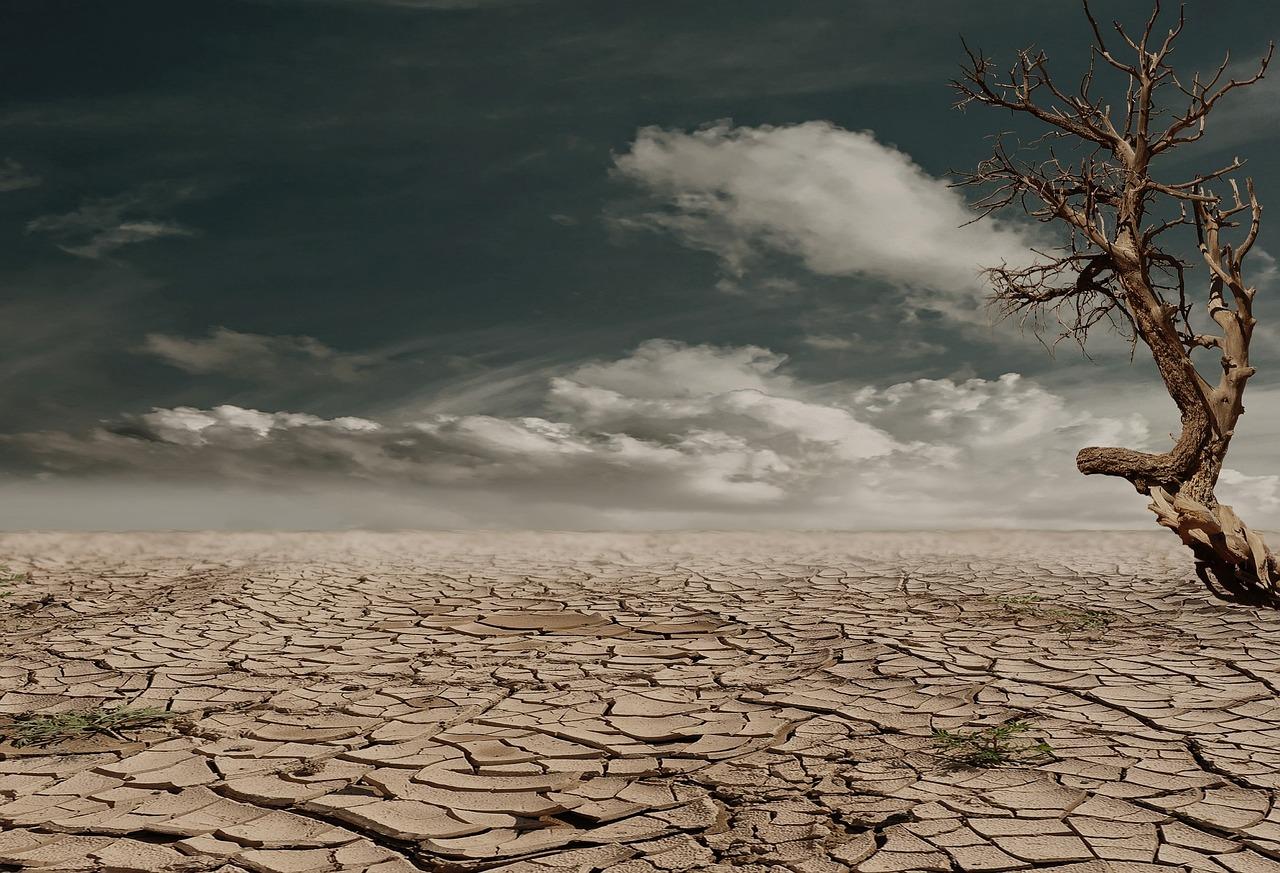
In Caparrosa, an Indigenous Maya Ch'orti' village in eastern Guatemala, mid-June should have meant weeks of rain and young maize standing in the fields. Instead the rainy season was more than a month late, and the maize was only a few inches tall - or missing altogether. Lidia Molina, 30, said her family had not planted their maize because it was too dry, and that she was hoping for rain or for support from her husband.
The failed rains are showing up in children's bodies. Molina's two-and-a-half-year-old daughter Karla weighs only 19lb (8.5kg), a weight more typical of a nine-month-old. Wilson, the family's son, eventually planted maize more than 50 days late after a storm, but the family then lost the whole crop, Molina said, because the plants were too small and fragile to endure the canicula, the mid-season dry spell.
A region built for drought and flood
Caparrosa sits in the Dry Corridor, a roughly 1,000-mile stretch covering almost a third of Central America, from southern Mexico to Panama. The corridor's six-month rainy season historically began in early May, with a relatively dry spell midway through known as the canicula. What has changed is the reliability of that rhythm.
Guatemala sits high on global vulnerability rankings, and its weather has swung between extremes.
- Guatemala is among the top 20 countries most vulnerable to climate change, and Unep expects two-thirds of its population to face water shortages by 2050.
- A decade of floods and severe rain damage in the 2000s pushed Guatemala toward legislation: its 2013 climate change framework law made it the second country in the Americas, after Mexico, to adopt one.
- By 2019, five years of failed harvests had left 1.2 million people in the region needing emergency food aid, and children were dying from malnutrition.
- Indigenous peoples make up nearly half of Guatemala's 19 million population and often live in remote areas lacking tap water or irrigation.
Land pawned for the journey north
When harvests fail here, families have long financed a way out by borrowing against the ground they stand on. Over the past 15 years, by this account, many thousands of Guatemalans - a large share of them Indigenous - are believed to have raised money for the trip to the US through loans, or by putting small plots of ancestral land up as pawn.
Brian Pérez - a pseudonym - made that trade in 2021. To pay his coyote, the local guide for informal migration routes, he handed over the deed to his family's land as loan collateral and set out with his 10-year-old son Wilson, traveling more than 2,000 miles through Mexico. The journey ended at the US border. Wilson said US authorities did not let them cross.
"They didn't let us cross, and separated me and my dad."
That was the policy landscape of the time: Biden had continued enforcing Title 42, Trump's pandemic-era executive order to automatically turn away most asylum seekers. Father and son were detained separately in a large multi-storey detention center in Texas. Wilson said he did not see or speak to his father for two months, until they were sent back to Guatemala.
The debt came home with them. Since returning, Pérez has worked far from home, including on banana plantations in southern Mexico, to pay off the coyote.
The door now closing
The escape route that climate displacement once offered is narrowing. Since returning to office for a second term, Donald Trump has escalated the removal of migrants - among them people who had spent years living and paying taxes in the US - and the remittances Guatemala's drought-hit villages rely on are shrinking as a result.
The crackdown reaches people who had built lives in the US for years.
- Jorge Cruz, a pseudonym from Guayabo, put up his family's farmland as collateral when he migrated in 2021, then worked in construction in Minneapolis, wiring money to his wife every two weeks as he chipped away at what he owed the coyote.
- Last September, Cruz was arrested by ICE at a gas station, spent 70 days in an ICE detention center in Wisconsin, and was deported to Guatemala, losing all his belongings.
- Construction was the job for roughly one in three Guatemalans put on deportation flights in 2025, the Guatemalan Institute of Migration says; the rest had worked across a wide range of professions.
Pérez tried the crossing again. In late June 2026, after a four-week overland journey with about 20 other Ch'orti' farmers, he crossed the US border near Juárez/El Paso. He now owes the coyote 145,000 quetzales, almost $20,000. He said he had worked long, hard days in extreme heat, in Guatemala and then Mexico, yet the changed weather left him unable to get ahead.
"I really tried in Guatemala."
His plan now is to clear the debt and get the land back, then come home. Pérez said he will pay off the debt so the coyote returns the land deeds, and that he will only stay in the US until he has saved enough to improve his house. Until then he keeps his head down: he is aware of the Trump administration's immigration raids, and rarely goes out except to work as a kitchen hand in a Chinese restaurant.
Back home, some villages are trying to make staying possible. In Corozal Arriba, 15 miles north of Caparrosa, families worked with Comundich, a grassroots Ch'orti' organization, to build three relatively simple and cheap reservoirs and an irrigation system piping water in from a mountain spring; malnutrition and forced migration rates there are way down. Comundich has helped build almost 20 reservoirs across Ch'orti' territory so far - but hundreds of villages remain 100% rain-dependent.
For now, Pérez works his kitchen shifts, the land deeds are still held against a debt of almost $20,000, and in Caparrosa the families who stayed wait on a rainy season that arrived too late and left too soon.