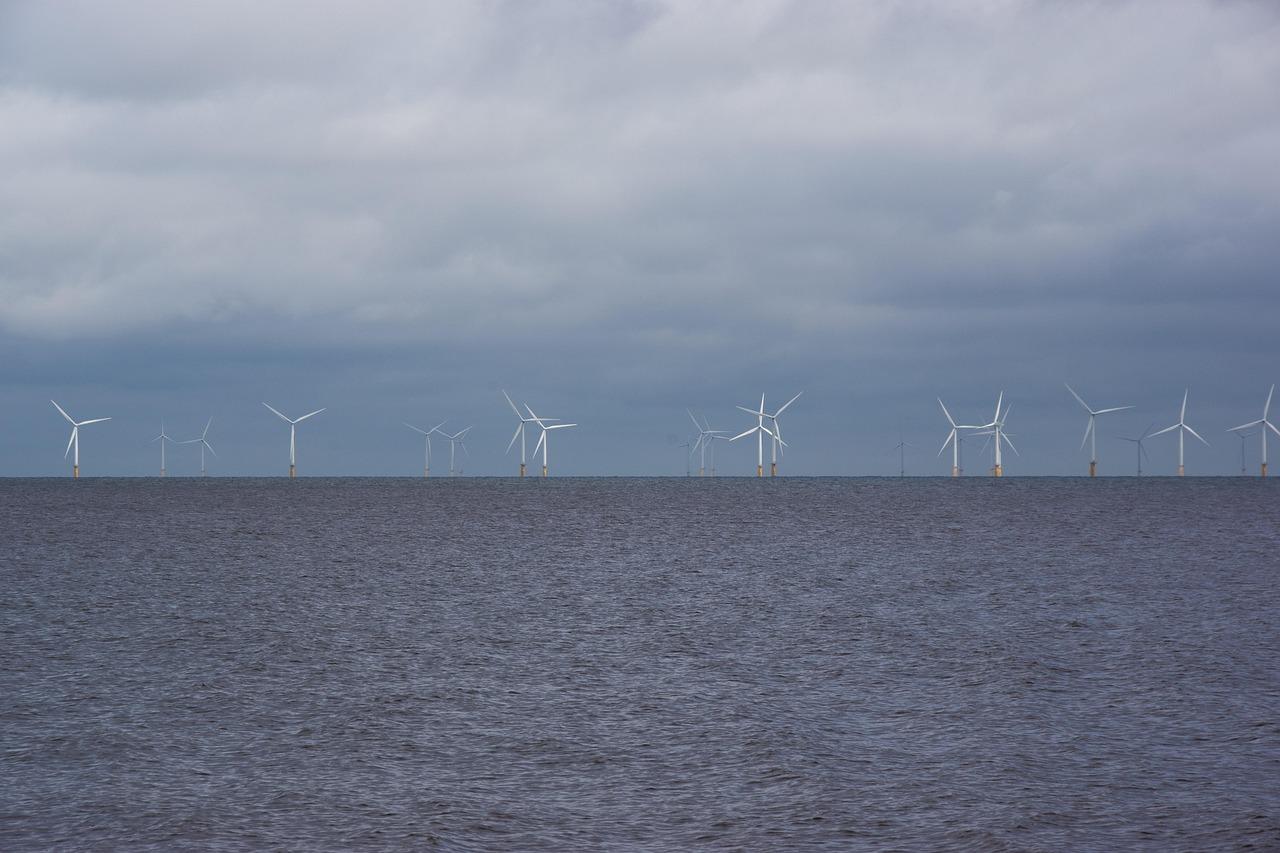
Greenpeace boulders North Sea windfarm: Norfolk Vanguard build could be delayed
WORLD · ENVIRONMENT

Greenpeace boulders North Sea windfarm: Norfolk Vanguard build could be delayed

Greenpeace boulders – about 15 tonnes of them – were dumped onto the site of the planned Norfolk Vanguard North Sea windfarm during a campaign against bottom trawling, with the campaigners unaware it was earmarked for one of the UK's biggest offshore projects.

By LiveDigestPublished Saturday, November 14, 2026 · 21:04 GMT | 3 min read

Greenpeace boulders North Sea windfarm: Norfolk Vanguard build could be delayed

Greenpeace boulders – roughly 15 tonnes of them – were dropped onto the site earmarked for the Norfolk Vanguard windfarm in the North Sea as part of a campaign against bottom trawling, with the campaigners unaware the area had been set aside for one of the UK's biggest planned offshore projects. The German developer RWE is now in talks with the group to establish exactly where the boulders sit.

01 / ENVIRONMENT

A boulder barrier aimed at trawling

The action formed part of Greenpeace's campaign against bottom trawling, which it says is destroying seabed habitat in one of the most heavily trawled areas of the southern North Sea. The group says the barrier is meant to safeguard harbour porpoises off the Norfolk coast, using stone blocks each weighing up to 2 tonnes.

  • The seabed was checked in advance for existing cables, pipelines or shipwrecks, but the campaigners did not know about the plans for the Vanguard East windfarm
  • The drop was timed to coincide with the premiere of the BBC's Blue Planet III documentary, narrated by Sir David Attenborough
  • Some boulders carry the signatures of celebrities including Simon Pegg and Benedict Cumberbatch, who have supported the marine conservation campaign
02 / ENVIRONMENT

The windfarm the boulders landed on

Greenpeace began the drop without consent from the marine authority, days before the prime minister told the Cop31 summit the UK would put £1bn of public money into the Vanguard West and Vanguard East windfarms – believed to be the biggest investment of its kind in UK history. Renewable energy developers have since agreed a £12bn deal alongside the UK government to start building next year, and the boulders are likely to be removed within months. Andy Burnham backed the plans this week.

03 / ENVIRONMENT

RWE in talks with Greenpeace

RWE, the offshore wind developer, is working with Greenpeace to verify the exact placement of the boulders so it can update seabed surveys begun last summer, and is investigating any potential impact on construction or undersea cables. An RWE spokesperson described the communication as "constructive" and said the company would "continue to investigate the precise implications" for the Norfolk Vanguard East project.

04 / ENVIRONMENT

Greenpeace: no genuine obstacle

Will McCallum, co-executive director of Greenpeace UK, said any suggestion that the boulders would cause a genuine obstacle was "absurd", pointing out that energy companies routinely move naturally occurring boulders before building windfarms. He noted some natural boulders can be 10 times heavier than those his group placed, and said Greenpeace has long championed offshore wind and will continue to do so.

Our boulders will provide an essential barrier to destructive bottom trawlers.

McCallum said the boulders would shield the seabed in the protected area while the windfarm is built, with industrial fishing including bottom trawling likely to move elsewhere to avoid the construction zone. The boulders are expected to be removed within months, with RWE still investigating the impact on construction and undersea cables.


Greenpeace boulders North Sea windfarm: Norfolk Vanguard build could be delayed
WORLD · ENVIRONMENT

Greenpeace boulders North Sea windfarm: Norfolk Vanguard build could be delayed

Greenpeace boulders – about 15 tonnes of them – were dumped onto the site of the planned Norfolk Vanguard North Sea windfarm during a campaign against bottom trawling, with the campaigners unaware it was earmarked for one of the UK's biggest offshore projects.

By LiveDigestPublished Saturday, November 14, 2026 · 21:04 GMT | 3 min read

Greenpeace boulders North Sea windfarm: Norfolk Vanguard build could be delayed

Greenpeace boulders – roughly 15 tonnes of them – were dropped onto the site earmarked for the Norfolk Vanguard windfarm in the North Sea as part of a campaign against bottom trawling, with the campaigners unaware the area had been set aside for one of the UK's biggest planned offshore projects. The German developer RWE is now in talks with the group to establish exactly where the boulders sit.

01 / ENVIRONMENT

A boulder barrier aimed at trawling

The action formed part of Greenpeace's campaign against bottom trawling, which it says is destroying seabed habitat in one of the most heavily trawled areas of the southern North Sea. The group says the barrier is meant to safeguard harbour porpoises off the Norfolk coast, using stone blocks each weighing up to 2 tonnes.

  • The seabed was checked in advance for existing cables, pipelines or shipwrecks, but the campaigners did not know about the plans for the Vanguard East windfarm
  • The drop was timed to coincide with the premiere of the BBC's Blue Planet III documentary, narrated by Sir David Attenborough
  • Some boulders carry the signatures of celebrities including Simon Pegg and Benedict Cumberbatch, who have supported the marine conservation campaign
02 / ENVIRONMENT

The windfarm the boulders landed on

Greenpeace began the drop without consent from the marine authority, days before the prime minister told the Cop31 summit the UK would put £1bn of public money into the Vanguard West and Vanguard East windfarms – believed to be the biggest investment of its kind in UK history. Renewable energy developers have since agreed a £12bn deal alongside the UK government to start building next year, and the boulders are likely to be removed within months. Andy Burnham backed the plans this week.

03 / ENVIRONMENT

RWE in talks with Greenpeace

RWE, the offshore wind developer, is working with Greenpeace to verify the exact placement of the boulders so it can update seabed surveys begun last summer, and is investigating any potential impact on construction or undersea cables. An RWE spokesperson described the communication as "constructive" and said the company would "continue to investigate the precise implications" for the Norfolk Vanguard East project.

04 / ENVIRONMENT

Greenpeace: no genuine obstacle

Will McCallum, co-executive director of Greenpeace UK, said any suggestion that the boulders would cause a genuine obstacle was "absurd", pointing out that energy companies routinely move naturally occurring boulders before building windfarms. He noted some natural boulders can be 10 times heavier than those his group placed, and said Greenpeace has long championed offshore wind and will continue to do so.

McCallum said the boulders would shield the seabed in the protected area while the windfarm is built, with industrial fishing including bottom trawling likely to move elsewhere to avoid the construction zone. The boulders are expected to be removed within months, with RWE still investigating the impact on construction and undersea cables.

Our boulders will provide an essential barrier to destructive bottom trawlers.
Greenpeace boulders North Sea windfarm: Norfolk Vanguard build could be delayed
WORLD · ENVIRONMENT

Greenpeace boulders North Sea windfarm: Norfolk Vanguard build could be delayed

By LiveDigest

Greenpeace boulders North Sea windfarm: Norfolk Vanguard build could be delayed

Greenpeace boulders – roughly 15 tonnes of them – were dropped onto the site earmarked for the Norfolk Vanguard windfarm in the North Sea as part of a campaign against bottom trawling, with the campaigners unaware the area had been set aside for one of the UK's biggest planned offshore projects. The German developer RWE is now in talks with the group to establish exactly where the boulders sit.

01 / ENVIRONMENT

A boulder barrier aimed at trawling

The action formed part of Greenpeace's campaign against bottom trawling, which it says is destroying seabed habitat in one of the most heavily trawled areas of the southern North Sea. The group says the barrier is meant to safeguard harbour porpoises off the Norfolk coast, using stone blocks each weighing up to 2 tonnes.

  • The seabed was checked in advance for existing cables, pipelines or shipwrecks, but the campaigners did not know about the plans for the Vanguard East windfarm
  • The drop was timed to coincide with the premiere of the BBC's Blue Planet III documentary, narrated by Sir David Attenborough
  • Some boulders carry the signatures of celebrities including Simon Pegg and Benedict Cumberbatch, who have supported the marine conservation campaign
02 / ENVIRONMENT

The windfarm the boulders landed on

Greenpeace began the drop without consent from the marine authority, days before the prime minister told the Cop31 summit the UK would put £1bn of public money into the Vanguard West and Vanguard East windfarms – believed to be the biggest investment of its kind in UK history. Renewable energy developers have since agreed a £12bn deal alongside the UK government to start building next year, and the boulders are likely to be removed within months. Andy Burnham backed the plans this week.

03 / ENVIRONMENT

RWE in talks with Greenpeace

RWE, the offshore wind developer, is working with Greenpeace to verify the exact placement of the boulders so it can update seabed surveys begun last summer, and is investigating any potential impact on construction or undersea cables. An RWE spokesperson described the communication as "constructive" and said the company would "continue to investigate the precise implications" for the Norfolk Vanguard East project.

04 / ENVIRONMENT

Greenpeace: no genuine obstacle

Will McCallum, co-executive director of Greenpeace UK, said any suggestion that the boulders would cause a genuine obstacle was "absurd", pointing out that energy companies routinely move naturally occurring boulders before building windfarms. He noted some natural boulders can be 10 times heavier than those his group placed, and said Greenpeace has long championed offshore wind and will continue to do so.

McCallum said the boulders would shield the seabed in the protected area while the windfarm is built, with industrial fishing including bottom trawling likely to move elsewhere to avoid the construction zone. The boulders are expected to be removed within months, with RWE still investigating the impact on construction and undersea cables.

Our boulders will provide an essential barrier to destructive bottom trawlers.