
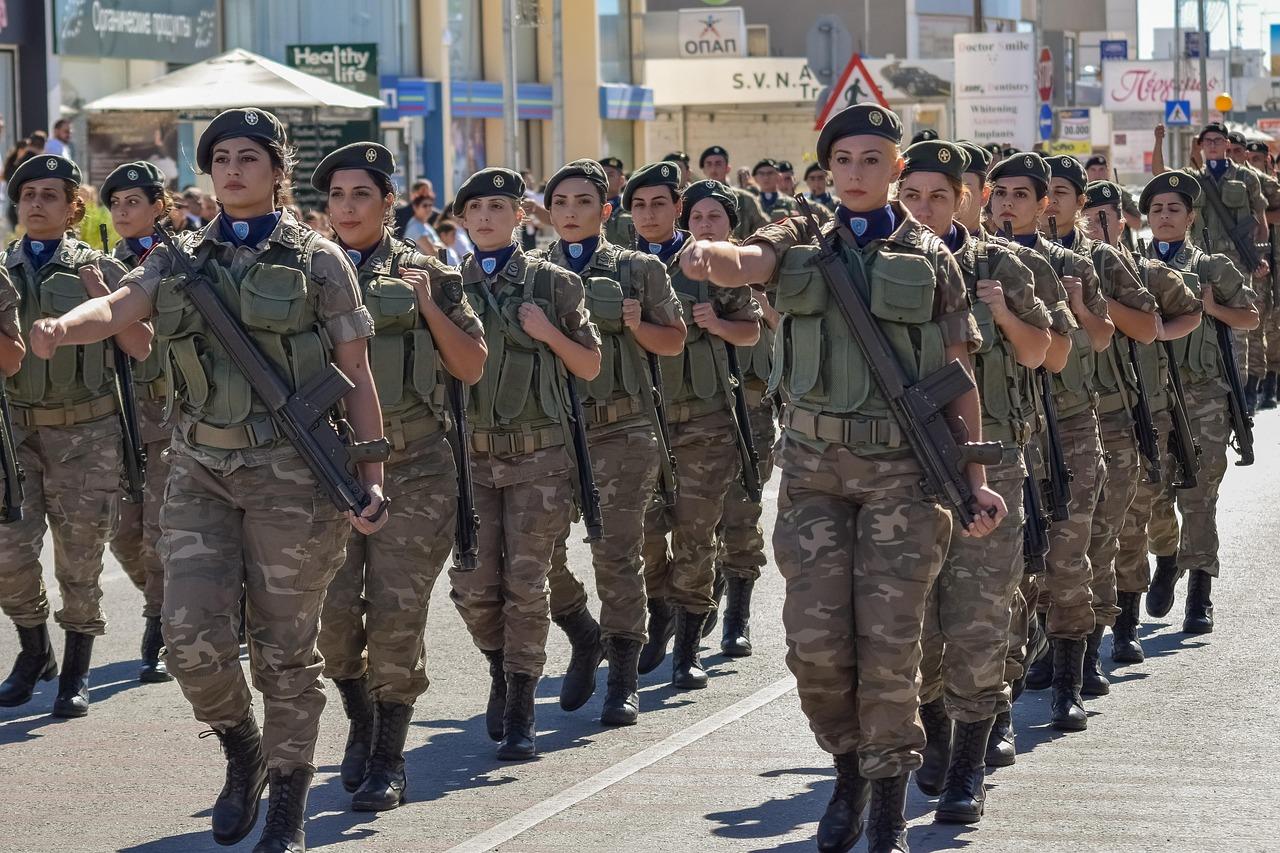
More than 60% of German female soldiers report harassment or abuse, Bundeswehr study finds
More than 60% of German female soldiers reported sexual harassment or abuse while on duty, according to the first comprehensive study of its kind into the Bundeswehr, released in November 2026 by the Centre for Military History and Social Sciences in Potsdam.
More than 60% of German female soldiers report harassment or abuse, Bundeswehr study finds
What the study found
The survey by the Centre for Military History and Social Sciences in Potsdam found that more than 60% of female soldiers had experienced sexual harassment or abuse while on duty. Of 45,000 active or former members contacted, 18% responded, and the ministry said its analysis showed the figures were nevertheless representative.
Among the 4,000 women who took part, the reported forms of misconduct included:
- Nearly 40% said they had been addressed with suggestive comments and sexualised remarks.
- 15% reported harassment with mobile phone pictures taken against their will, in some cases altered using AI.
- Just over 8% reported having been physically attacked, and 2% said they had been victims of sexual violence.
Around 19% of male soldiers had experienced a similar form of sexual misconduct, with non-binary or gay soldiers disproportionately affected.
Pistorius: zero tolerance
Defence minister Boris Pistorius called the figures unacceptable, particularly for a military trying to considerably increase its numbers.
Zero tolerance applies to sexual harassment within the Bundeswehr.
Pistorius said some colleagues had advised him to ditch the study over fears it would sully the military's reputation, but that doing so would be like "turning a blind eye", which in the long term would do more damage to the Bundeswehr.
Recruitment pressure
Military bosses have set a target of 260,000 active-duty troops and 200,000 reservists by 2035, hoping to avoid reintroducing conscription, and the Bundeswehr has invested billions in boosting both personnel and equipment.
Pistorius said he was struck that women in units with a higher proportion of women were less frequently affected, which he said argues in favour of recruiting more women into the Bundeswehr.
Measures and next steps
Before the results were made public, Pistorius set up a round-the-clock hotline called HELP this month for military personnel.
Other barriers and planned changes:
- About a third of those surveyed said they did not or would not report incidents because of a lack of trust in what their superiors would do.
- Pistorius said complainants should in future receive more information about the status of their proceedings, after victims said they were often left in the dark but expected to keep serving.
The study will be repeated every year, Pistorius added.


