
FDA peptide policy: scientists opposed HHS plan easing access to unproven drugs
Most FDA scientific staff opposed the new FDA peptide policy - a directive from Robert F Kennedy Jr's health department, posted online Wednesday - that tells the agency not to act against pharmacies selling about six unapproved wellness peptides, including BPC-157.
FDA peptide policy: scientists opposed HHS plan easing access to unproven drugs
Most of the Food and Drug Administration's scientific staff opposed the FDA peptide policy and had limited say in drafting it, according to six people familiar with how it was developed. The document was posted online on Wednesday by the Department of Health and Human Services, led by Robert F Kennedy Jr.
What the HHS policy does
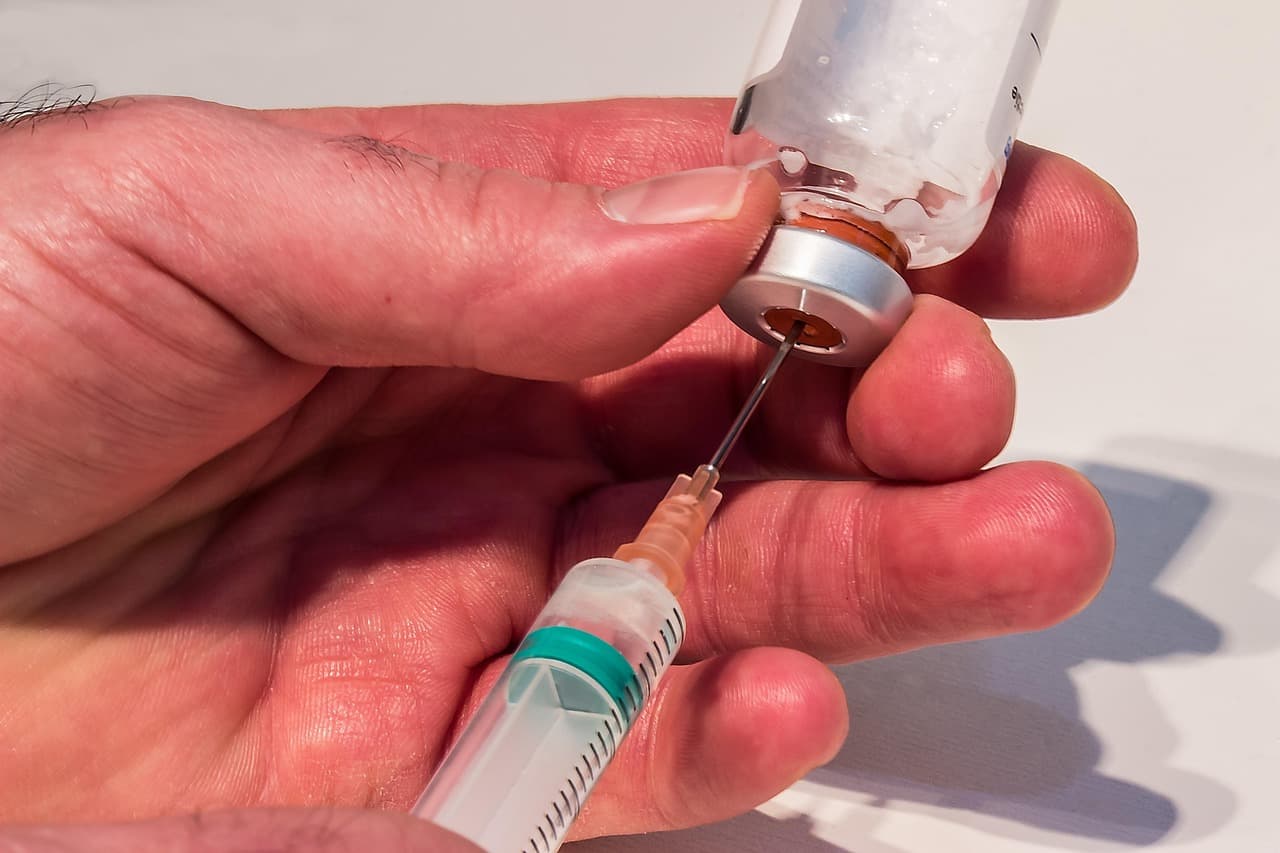
The policy directs the FDA not to act against specialty pharmacies selling about six wellness peptides, including BPC-157, TB-500 and KPV. These are injectable peptides promoted within the wellness industry for building muscle, healing injuries and boosting energy.
Under the FDA's own rules, the compounds would otherwise be considered illegal drugs, because they have not gone through the agency's rigorous safety and effectiveness review process. The final document stops short of changing those rules: it only directs the FDA not to enforce certain ones.
FDA staff warnings and safety concerns
FDA drug staffers warned that the effort, driven almost entirely by HHS, could undermine the agency's longstanding mission of keeping unproven health products off the US market.
- In 2023, the FDA placed more than a dozen peptides, among them BPC-157 and TB-500, on its list of substances that should not be compounded, citing risks of allergic reactions, kidney damage and tumor growth.
- At a July meeting, FDA staffers said more than half a dozen peptides reconsidered remained unproven in terms of safety and effectiveness.
Kennedy has called himself a "big fan" of peptides and recently said he used BPC-157 to treat a muscle injury.
A rare HHS-led process
The approach was not the department's first choice. HHS originally wanted the FDA to draft an official regulation adding BPC-157 and other peptides to the list of substances deemed safe for compounding pharmacies, according to two of the people familiar with the deliberations. FDA officials said scientific staffers had major safety concerns and would not support a regulation deeming them safe, so HHS switched to a non-enforcement approach instead.
Decisions over compounding have long rested with the FDA, not HHS. Former FDA officials said it is extremely rare for HHS to lead the drafting of policies over the compounding industry, though federal law technically gives HHS authority over essentially all drug regulations delegated to the agency. Kennedy has argued compounding pharmacies must be allowed to sell peptides because otherwise Americans turn to "gray market" products imported from China and other countries.
Safety guardrails and next step
FDA staffers did provide technical assistance on the final plan, which incorporates safeguards the agency suggested:
- requiring pharmacies to use peptide ingredients from FDA-registered factories;
- collecting information on side effects for safety analysis;
- verifying the chemical identity of the peptides.
The people describing the deliberations spoke on condition of anonymity, and an HHS spokesperson did not immediately respond to a request for comment.


