Fan Bay plotting room: Second world war 'brain' bunker opens in cliffs of Dover
WORLD · SECURITY

Fan Bay plotting room: Second world war 'brain' bunker opens in cliffs of Dover

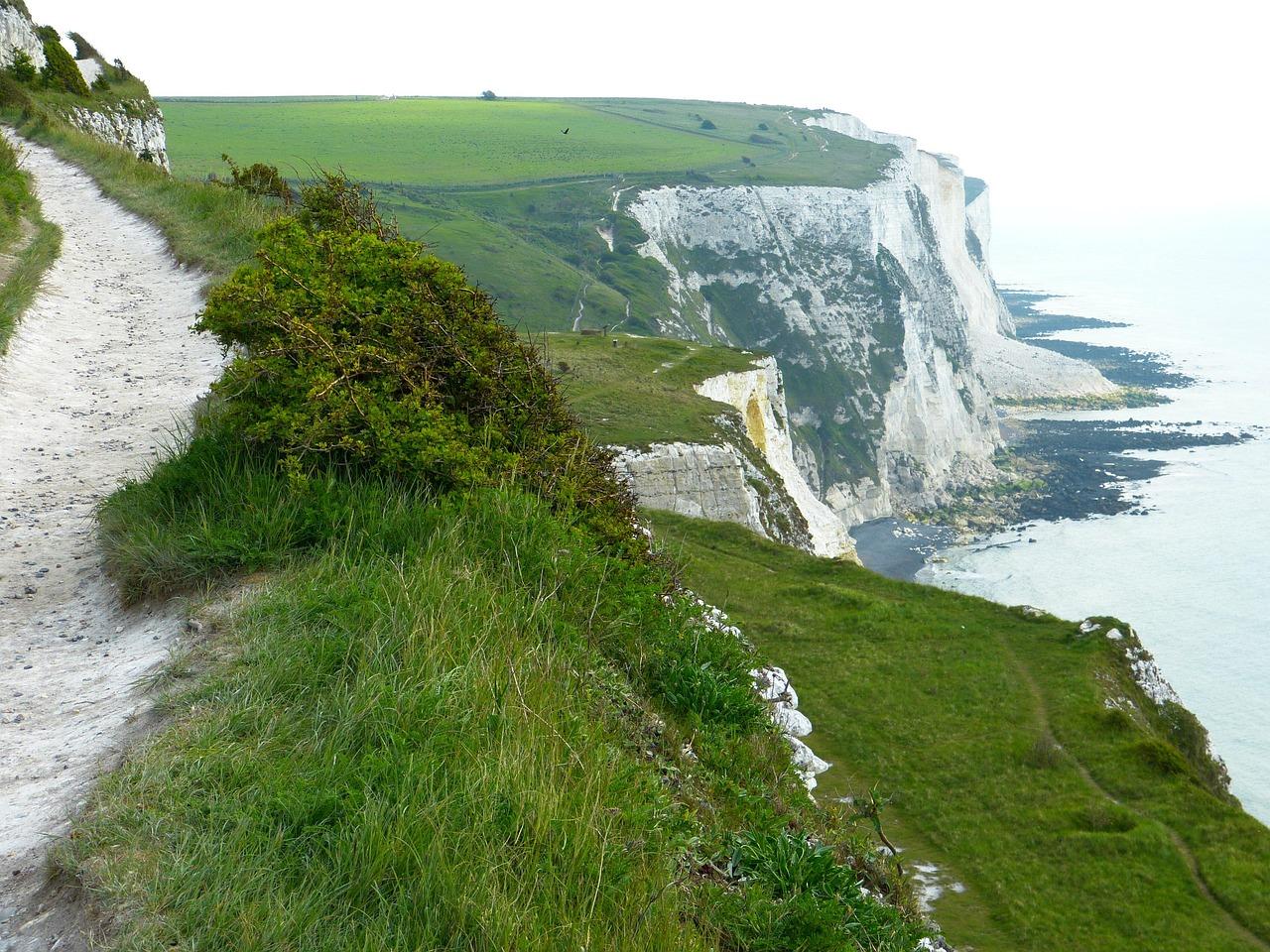
A second world war plotting room buried four metres deep in the white cliffs of Dover opens to the public on Friday, via National Trust guided tours through a hatch in a field. The Fan Bay plotting room housed the first land-based computer-aided targeting system.

By LiveDigestPublished Friday, November 13, 2026 · 07:15 GMT | 3 min read

Fan Bay plotting room: Second world war 'brain' bunker opens in cliffs of Dover

01 / SECURITY

A 'brain' for Dover's gun battery

The concrete-encased room acted as the brain of a gun battery that defended Dover and attacked German ships in the Channel. Its core was a fire direction table - a 1.8-metre-long electromechanical computer. When a shell struck, the machine worked out where the moving target ship was and passed firing instructions back to the gun crews.

Jon Barker, who led the excavation for the National Trust, stressed that visitors will not be looking at a map table.

"it's a really cutting edge electromechanical computer, and it is completely unique."

The room's workings are reconstructed from slim evidence:

  • Up to 10 people worked in the plotting room at a time
  • What is known is based on a manual and ghost markings on the floor
  • Records of those who served there are scant
02 / SECURITY

Churchill's order and a rushed build

Soon after his 'fight them on the beaches' speech, Churchill visited the Kent coast and was alarmed to observe enemy ships passing through the strait of Dover unchallenged. In a July 1940 memo he wrote: "We have to fight for command of the straits by artillery, to destroy the enemy batteries and fortify our own."

He ordered the most advanced technology and demanded weekly updates. The guns were ready within 100 days, and the plotting room bunker was completed 64 days later. The rush left traces: rough openings for cabling remain, and contemporary accounts say equipment was installed before drawings governing its layout were available.

"The guns were known around here as Churchill's pets."

Dover at the time was on the frontline of a Britain facing regular bombardment from enemy guns in occupied France.

03 / SECURITY

Rediscovered and kept secret

The computer was deliberately destroyed in 1957 to stop it falling into enemy hands, and the bunker was secretly mothballed the same year, remaining classified until 1981 because of its military importance. Barker was the first person to enter when it was rediscovered in 2017.

"It was a Tutankhamun moment for a conflict archaeologist."

Barker compared the discovery to the 1990s rescue of Bletchley Park and called the plotting room "a new hidden history."

04 / SECURITY

The people who served there

Only a handful of the operators are known by name. Among them is Wallas Eaton, an actor who later appeared as Senator Ludicrus Sextus in Up Pompeii alongside Frankie Howerd. WP Bryant, a lance bombardier recorded as a plotter, worked as a tailor: "He was a tailor so he probably had a head for numbers," Barker said.

The room is preserved as found, with old newspapers, shoes and official notices still inside, and chalked graffiti in a service tunnel reading "heroes fan hole Dodds and Petitt". Barker suggested the pair may have installed cables.

"They were probably self-appointed heroes responsible for marshalling horrible thick cable through particularly uncomfortable tunnels."

The National Trust has conserved the room rather than recreated it, so visitors experience it much as it was found - "It's a rare opportunity to discover a completely different side of the white cliffs," Barker said. He is now seeking relatives of those who served in the Fan Bay plotting room, because the records of their service are so thin.


Fan Bay plotting room: Second world war 'brain' bunker opens in cliffs of Dover
WORLD · SECURITY

Fan Bay plotting room: Second world war 'brain' bunker opens in cliffs of Dover

A second world war plotting room buried four metres deep in the white cliffs of Dover opens to the public on Friday, via National Trust guided tours through a hatch in a field. The Fan Bay plotting room housed the first land-based computer-aided targeting system.

By LiveDigestPublished Friday, November 13, 2026 · 07:15 GMT | 3 min read

Fan Bay plotting room: Second world war 'brain' bunker opens in cliffs of Dover

01 / SECURITY

A 'brain' for Dover's gun battery

The concrete-encased room acted as the brain of a gun battery that defended Dover and attacked German ships in the Channel. Its core was a fire direction table - a 1.8-metre-long electromechanical computer. When a shell struck, the machine worked out where the moving target ship was and passed firing instructions back to the gun crews.

Jon Barker, who led the excavation for the National Trust, stressed that visitors will not be looking at a map table.

The room's workings are reconstructed from slim evidence:

  • Up to 10 people worked in the plotting room at a time
  • What is known is based on a manual and ghost markings on the floor
  • Records of those who served there are scant
"it's a really cutting edge electromechanical computer, and it is completely unique."
02 / SECURITY

Churchill's order and a rushed build

Soon after his 'fight them on the beaches' speech, Churchill visited the Kent coast and was alarmed to observe enemy ships passing through the strait of Dover unchallenged. In a July 1940 memo he wrote: "We have to fight for command of the straits by artillery, to destroy the enemy batteries and fortify our own."

He ordered the most advanced technology and demanded weekly updates. The guns were ready within 100 days, and the plotting room bunker was completed 64 days later. The rush left traces: rough openings for cabling remain, and contemporary accounts say equipment was installed before drawings governing its layout were available.

Dover at the time was on the frontline of a Britain facing regular bombardment from enemy guns in occupied France.

"The guns were known around here as Churchill's pets."
03 / SECURITY

Rediscovered and kept secret

The computer was deliberately destroyed in 1957 to stop it falling into enemy hands, and the bunker was secretly mothballed the same year, remaining classified until 1981 because of its military importance. Barker was the first person to enter when it was rediscovered in 2017.

Barker compared the discovery to the 1990s rescue of Bletchley Park and called the plotting room "a new hidden history."

"It was a Tutankhamun moment for a conflict archaeologist."
04 / SECURITY

The people who served there

Only a handful of the operators are known by name. Among them is Wallas Eaton, an actor who later appeared as Senator Ludicrus Sextus in Up Pompeii alongside Frankie Howerd. WP Bryant, a lance bombardier recorded as a plotter, worked as a tailor: "He was a tailor so he probably had a head for numbers," Barker said.

The room is preserved as found, with old newspapers, shoes and official notices still inside, and chalked graffiti in a service tunnel reading "heroes fan hole Dodds and Petitt". Barker suggested the pair may have installed cables.

The National Trust has conserved the room rather than recreated it, so visitors experience it much as it was found - "It's a rare opportunity to discover a completely different side of the white cliffs," Barker said. He is now seeking relatives of those who served in the Fan Bay plotting room, because the records of their service are so thin.

"They were probably self-appointed heroes responsible for marshalling horrible thick cable through particularly uncomfortable tunnels."
Fan Bay plotting room: Second world war 'brain' bunker opens in cliffs of Dover
WORLD · SECURITY

Fan Bay plotting room: Second world war 'brain' bunker opens in cliffs of Dover

By LiveDigest

Fan Bay plotting room: Second world war 'brain' bunker opens in cliffs of Dover

01 / SECURITY

A 'brain' for Dover's gun battery

The concrete-encased room acted as the brain of a gun battery that defended Dover and attacked German ships in the Channel. Its core was a fire direction table - a 1.8-metre-long electromechanical computer. When a shell struck, the machine worked out where the moving target ship was and passed firing instructions back to the gun crews.

Jon Barker, who led the excavation for the National Trust, stressed that visitors will not be looking at a map table.

The room's workings are reconstructed from slim evidence:

  • Up to 10 people worked in the plotting room at a time
  • What is known is based on a manual and ghost markings on the floor
  • Records of those who served there are scant
"it's a really cutting edge electromechanical computer, and it is completely unique."
02 / SECURITY

Churchill's order and a rushed build

Soon after his 'fight them on the beaches' speech, Churchill visited the Kent coast and was alarmed to observe enemy ships passing through the strait of Dover unchallenged. In a July 1940 memo he wrote: "We have to fight for command of the straits by artillery, to destroy the enemy batteries and fortify our own."

He ordered the most advanced technology and demanded weekly updates. The guns were ready within 100 days, and the plotting room bunker was completed 64 days later. The rush left traces: rough openings for cabling remain, and contemporary accounts say equipment was installed before drawings governing its layout were available.

Dover at the time was on the frontline of a Britain facing regular bombardment from enemy guns in occupied France.

"The guns were known around here as Churchill's pets."
03 / SECURITY

Rediscovered and kept secret

The computer was deliberately destroyed in 1957 to stop it falling into enemy hands, and the bunker was secretly mothballed the same year, remaining classified until 1981 because of its military importance. Barker was the first person to enter when it was rediscovered in 2017.

Barker compared the discovery to the 1990s rescue of Bletchley Park and called the plotting room "a new hidden history."

"It was a Tutankhamun moment for a conflict archaeologist."
04 / SECURITY

The people who served there

Only a handful of the operators are known by name. Among them is Wallas Eaton, an actor who later appeared as Senator Ludicrus Sextus in Up Pompeii alongside Frankie Howerd. WP Bryant, a lance bombardier recorded as a plotter, worked as a tailor: "He was a tailor so he probably had a head for numbers," Barker said.

The room is preserved as found, with old newspapers, shoes and official notices still inside, and chalked graffiti in a service tunnel reading "heroes fan hole Dodds and Petitt". Barker suggested the pair may have installed cables.

The National Trust has conserved the room rather than recreated it, so visitors experience it much as it was found - "It's a rare opportunity to discover a completely different side of the white cliffs," Barker said. He is now seeking relatives of those who served in the Fan Bay plotting room, because the records of their service are so thin.

"They were probably self-appointed heroes responsible for marshalling horrible thick cable through particularly uncomfortable tunnels."