Falklands oil and Interpol: UK asks agency to reject Argentina's 'politically motivated' arrest requests
The falklands oil interpol dispute has reached a new stage: Britain has appealed to Interpol to reject Argentina's requests for red notices against people involved in the Falklands oil project, arguing the requests are politically motivated. The letter went to Interpol's headquarters in Lyon amid the worst tensions over the islands since the 1982 war.
Falklands oil and Interpol: UK asks agency to reject Argentina's 'politically motivated' arrest requests
The UK government has urged Interpol to reject Argentinian requests for the arrest of individuals involved in a large oil project off the Falkland Islands, arguing the filings are political in nature. Officials have sought urgent assurances from the organisation, according to UK sources, amid tensions over the sovereignty of the British overseas territory at levels not seen since the 1982 war.
A letter sent to Interpol's headquarters in Lyon sets out the argument that the requests for "red notices", including against British nationals, are politically motivated. Whitehall sources suggested the concern is an attempt to bully people and companies out of working in the Falklands. The government has asked the agency to be cautious in its handling of Argentinian requests for detentions.
Red notices are requests to locate and provisionally arrest a person pending extradition; nearly 20,000 were issued last year. Interpol's response to the UK indicated it would respect article 3 of its constitution, which forbids it from undertaking any intervention or activities of a political character.
One remaining worry in London is that Argentina could persuade the organisation's member states that its requests are not political but rooted in domestic legislation.
Andrea Clausen, chief executive of the Falklands government, confirmed that Argentina's use of Interpol was a threat.
"One would hope that Interpol wouldn't necessarily take action," she said.
She added that interested parties had examined sections of Interpol's constitution to see what the requests could mean.
Sea Lion project and criminal proceedings
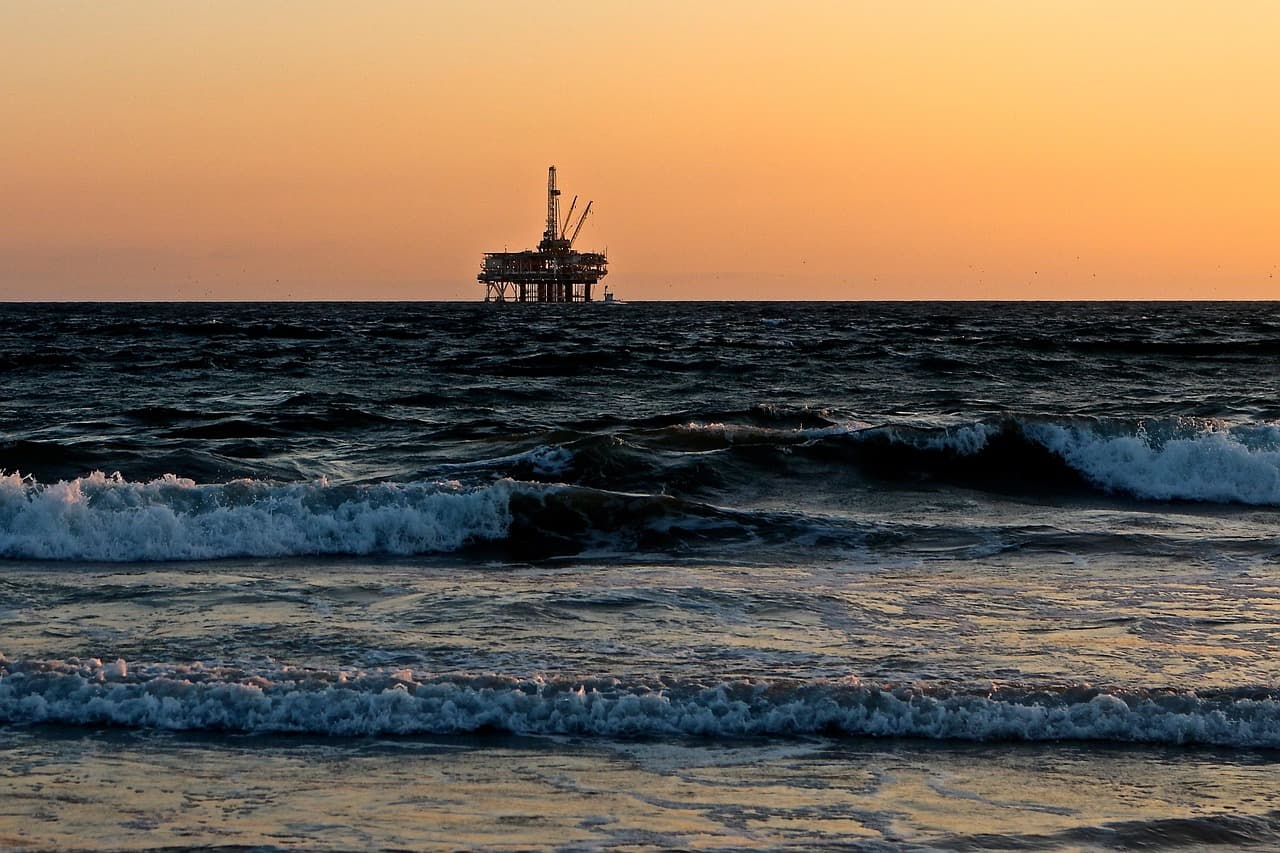
At the centre of the dispute is Sea Lion in the North Falkland Basin in the south Atlantic, a project with the potential to triple the Falklands' GDP, which President Javier Milei has vowed to block. Argentina's strategy, as described in the report, includes attempts to criminalise those involved in Sea Lion and deter other investors.
- Under Milei, Argentina has initiated criminal proceedings against the Israeli company Navitas and its British partner, Rockhopper Exploration, the core companies in the Sea Lion project.
- A draft national sovereignty bill before Argentina's congress would expand sanctions to affiliates of those companies, financial intermediaries, shareholders and suppliers.
- The bill also contains clauses that could target those involved in the fishing industry in the Falklands, a large part of the islands' economy.
Oil and fisheries workers on the islands are concerned they could be targeted when travelling, particularly in South America.
Miliband's commitment to protect businesses
Foreign secretary Ed Miliband told MPs that the UK will protect businesses working in the Falklands from pressure from Argentina through measures under protection of trading interests (PTI) legislation. PTI legislation allows the UK to forbid British individuals and companies from complying with specific foreign laws or trade controls, and may allow damages claims in UK courts.
"The UK's support for the Falkland Islands is steadfast. Argentina's attempts to intimidate businesses and individuals engaged in legitimate commercial activity are unacceptable."
In Parliament he added: "Companies should be free to make lawful commercial decisions without the threat of political coercion." Miliband also told MPs: "We will always stand up for the Falkland Islanders, their right to determine their own future, and their right to pursue legitimate economic development."
Next step: Unclos arbitration
Argentina is expected within 24 hours to escalate the dispute further by requesting arbitration under annex VII of the UN convention on the law of the sea (Unclos) over the oil project. On 28 September, Milei gave the UK a two-week deadline to stop the project or face legal action; that deadline passed on Monday.
Through the arbitration, Buenos Aires will claim the UK is in breach of a UN resolution inviting negotiation and refraining from unilateral modifications, and will seek a binding ruling that the UK must stop the drilling.
UK government sources are confident that Unclos will not wade into a sovereignty dispute. Dean Dent, a member of the Falkland Islands assembly, told constituents that the UK government had assembled "quite an in-depth team of legal advisers, KCs" to respond to the arbitration threat. He noted there have been four recent similar cases where a case of sovereignty was taken to Unclos and all four were disregarded by tribunals as sovereignty, not maritime, issues.
Prime minister Andy Burnham told parliament he had raised the issue, and "the clear and declared will of the islanders to remain British", with the US president, Donald Trump.