EU-UK summit delivers narrow fixes while Brussels holds firm at collapsed Cop31
At an EU-UK summit in Brussels, leaders sealed a package of narrow post-Brexit fixes including eased food border checks, linked carbon markets and a capped youth experience scheme. Days later, the EU blocked a watered-down deal at the Cop31 climate summit in Antalya, which collapsed after running nearly 48 hours over deadline.
EU-UK summit delivers narrow fixes while Brussels holds firm at collapsed Cop31
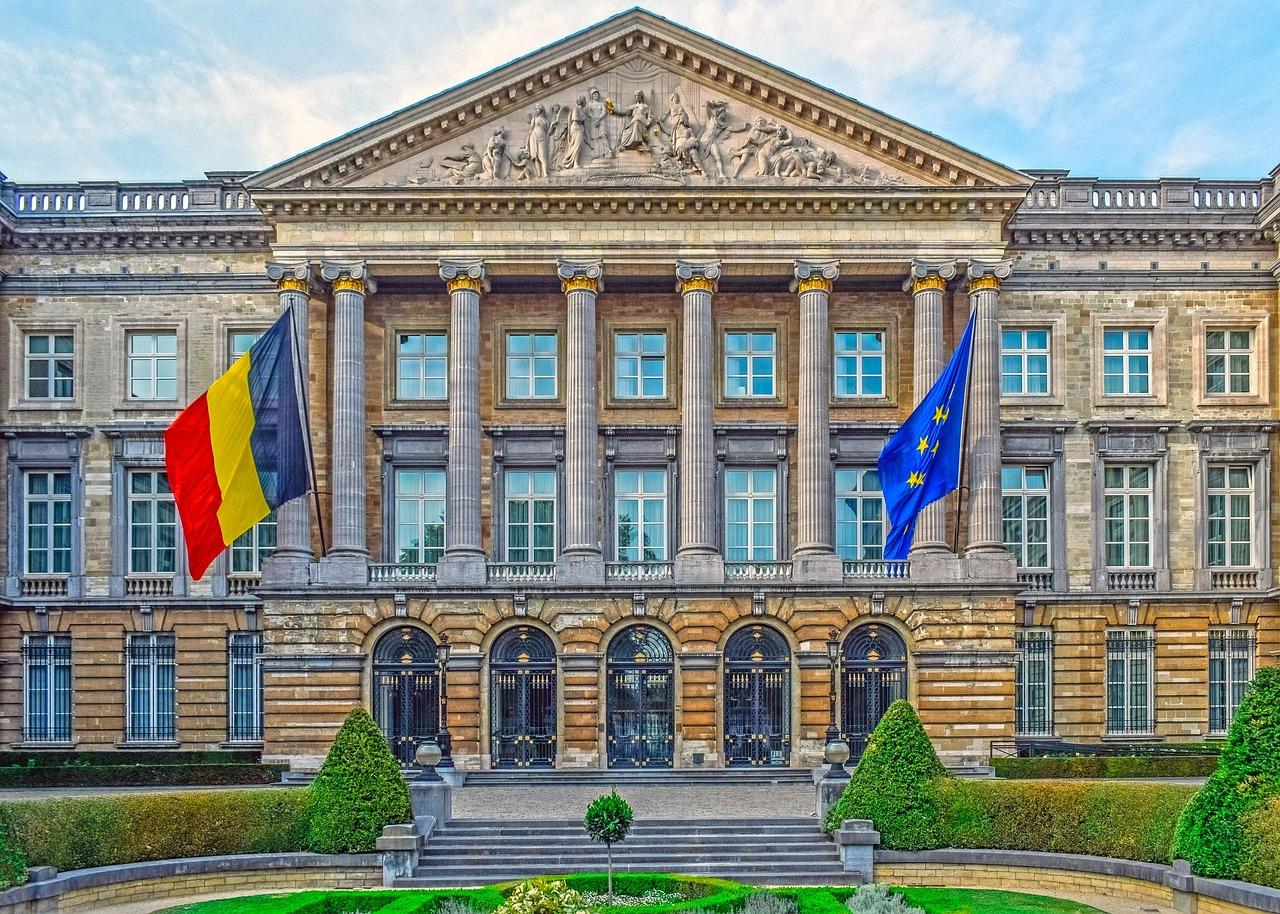
Two scenes from Europe in recent days show the same institution behaving in opposite ways. At the EU-UK summit, held on a Friday in the Europa building in Brussels, the bloc accommodated Britain with a set of targeted post-Brexit fixes. At Cop31 in Antalya, the very same 27 member states refused to yield on their fossil-fuel red lines, and the summit collapsed with no overarching pact.
A reset in name, fixes in substance
Downing Street billed the summit as a landmark "reset", but the stated ambition was more modest: sealing a package of relatively narrow post-Brexit fixes. The gap between the branding and the substance was noted across Europe's press and was even felt at home. A Cabinet Office mythbuster assured voters that the forthcoming deal would not ban smoky-flavoured crisps.
Continental commentators put Britain's expectations in check. Le Monde suggested the only unanswered question about the summit was "what does Britain actually want?". Germany's FAZ argued that a swift UK return to the EU was in any case an illusion.
What the package contains
The agreements at the EU-UK summit were concrete but tightly drawn, covering trade facilitation, climate cooperation and a limited mobility scheme:
- Eased border checks on food moving between the EU and the UK
- A link between the two sides' carbon markets
- The launch of a capped youth experience scheme
Beyond those headline items, the two sides are pursuing wider cooperation. The plan is to integrate the UK into EU military mobility networks and deepen support for Kyiv, while also exploring electricity market integration and intelligence sharing on smuggling gangs.
One item remains outstanding. EU member states let it gently be known that a dispute over university tuition fees would have to be resolved first before anything counts as a done deal.
Why Britain still needs the deal
For Britain, the EU remains its single largest trading partner, which is why even narrow fixes carry weight in London. Europe, for its part, has its own reasons to value the relationship: the UK is a nuclear-armed neighbour, a North Sea energy partner and a security ally.
The structure of the relationship, however, remains piecemeal. Thinktanks Ifri in Paris and the Institute for Government in London have made the same point: the UK is trapped in an incrementalism loop of bespoke, sector-by-sector requests rather than a single comprehensive settlement.
Where Brussels would not bend
The accommodating mood of the summit did not carry over to Antalya. Cop31 ended almost 48 hours over deadline, making it the longest UN climate summit in history, and it closed without an overarching pact because the final text contained no mention of fossil fuels.
The collapse was driven by a formal objection that Brussels led, standing alongside the UK and vulnerable island nations against a watered-down "Antalya pact" - and pulling the plug on the summit's centrepiece agreement. Behind that refusal lay a tightly defined mandate:
- EU climate negotiators had a binding mandate, agreed by environment ministers in October, locking in red lines to defend the bloc's 2023 pledge to transition away from fossil fuels
- The EU's climate commissioner, Wopke Hoekstra, and Ireland's Darragh O'Brien, representing the bloc's rotating council presidency, worked in tandem
- Member states had already priced carbon at home and rolled out a Carbon Border Adjustment Mechanism, giving them an economic stake in holding the line
- EU finance ministers had strictly boxed in new funding, so the bloc demanded maximum emissions ambition while offering minimum movement on money
Even as the summit concluded, EU lawmakers were finalising a two-year delay to the bloc's own flagship methane rules for oil and gas importers, following lobbying from fossil fuel companies and the Trump administration.
The contrast is stark. On the EU-UK summit's narrow fixes, member states moved quickly; on fossil fuels at Cop31, they held firm, and the climate talks ended with no deal at all. What stands between the UK package and completion is the unresolved tuition-fees dispute, which member states insist must be settled first.