
Cost of living protests set to reach Germany and reignite in France on Halloween
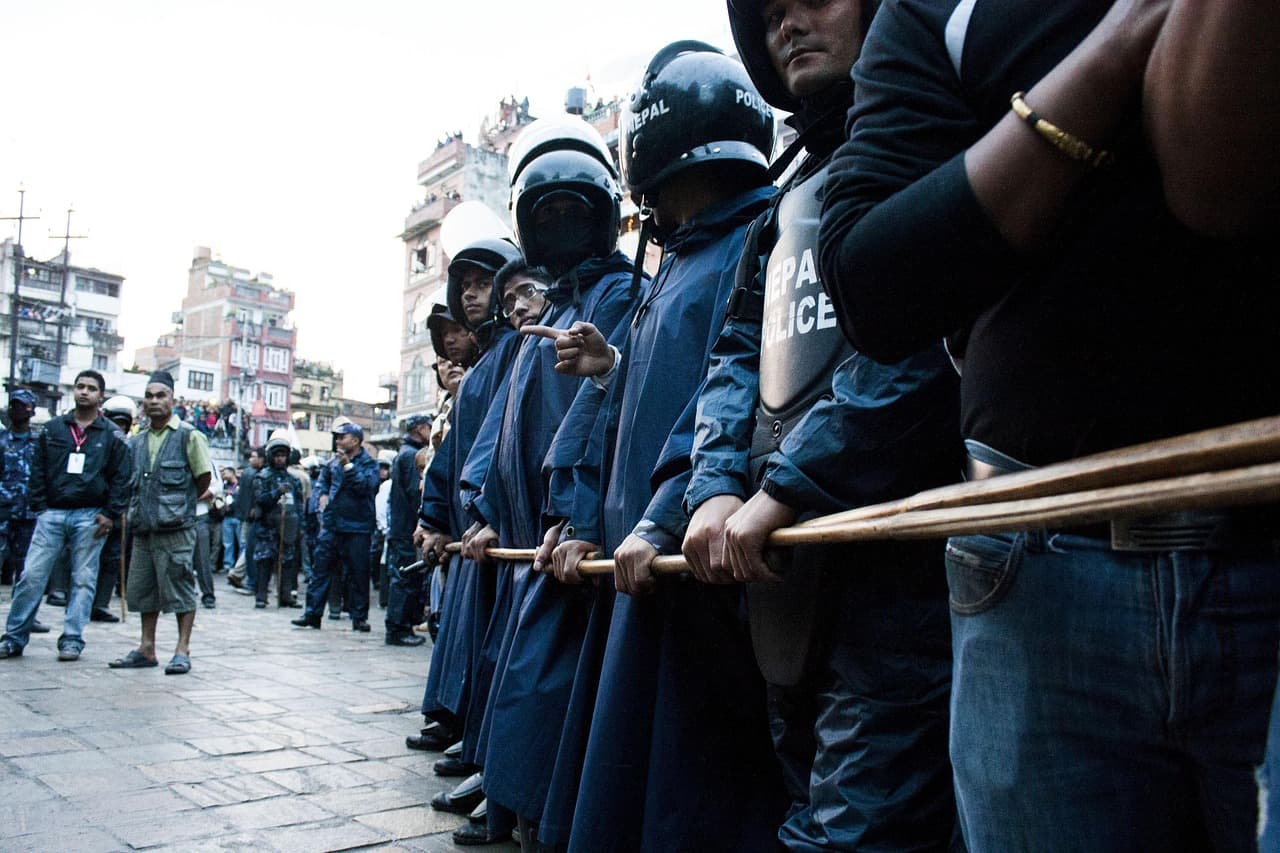
Cost of living protests across Europe are expected to spread to Germany and reignite in France on Saturday, with police in both countries mobilised ahead of Halloween demonstrations.
Cost of living protests set to reach Germany and reignite in France on Halloween
Gen Z regelt calls rallies in more than 30 German cities
Germany joins the wave of cost of living protests on Saturday as Gen Z regelt, a loose alliance of groups, has called supporters to turn out in more than 30 cities. The movement demands more spending on schools, climate protection and housing, and opposes any plans to return to mandatory military service.
- By Friday, more than 160,000 people had registered on the Gen Z regelt website saying they planned to attend
- About 10,000 protesters, mainly pupils, students and their parents, are expected at the Brandenburg Gate on Saturday afternoon, with a smaller early-evening gathering in the Mitte district
- Large rallies have also been called in Cologne, Munich, Frankfurt and Hamburg
The organisers have urged participants to exercise restraint. "Our protest is peaceful, without exception. Violence goes against everything we stand for," the Gen Z regelt organisers said.
German politicians split over risk of violence
The prospect of unrest has divided politicians in Berlin. Alexander Throm of the ruling CDU parliamentary group wrote in Handelsblatt: "Scenes like those in France must be prevented at all costs."
Felix Banaszak, co-leader of the opposition Green party, cautioned against attempts to place the youth protests under general suspicion in advance. He told the RND media group that the CDU's rhetoric, which seeks to criminalise the protests pre-emptively and paint them as the work of marauding gangs, may even drive people towards radicalisation.
Barbara Slowik Meisel, Berlin's police chief, said an additional 1,500 officers would be on duty in the capital, adding that she saw little grounds to fear that people or property would be attacked. "We have no concrete evidence of any coordinated looting operations being planned," she said.
The federal pupils' conference has distanced itself from the demonstrations, saying the initiative's unclear organisational structure made the events unpredictable.
France braces for Halloween rallies after last weekend's march
Across the border, French interior minister Laurent Nuñez said Saturday looked like a very high risk day, with 70,000 police and gendarmes, including elite units, deployed in an effort to quell violence. Speaking late on Thursday, he said radical groups had called on social media for violent Halloween gatherings and that the biggest threat to public order would probably come after mainstream demonstrations had officially ended.
He said the calls to attend rallies on public streets starting at 8pm in many cities across France came from the labour movement, the radicalised far left and certain radicalised gilets jaunes. The messages were, in his words, quite radical, some demanding revolution, and authorities would tolerate zero excesses with an extremely firm response.
- Shop-protection measures from last weekend will be reinforced, and while peaceful demonstrations will be authorised, most will not be permitted in city centres, where there is a risk of public disorder
- Two Paris marches planned by unions and gilets jaunes through the city centre have been banned; police authorised a single march in the far south-east, which both sets of organisers are challenging
- The interior ministry said 410,000 people marched last Saturday, when a strong police presence mostly prevented a repeat of the widespread violence and looting
Activists have called on people to make their anger over the cost of living and deficient public services felt across the country on Halloween. The first wave of mass protest, with widespread violence and looting, swept French cities on 17 October.
Students, unions and a strike ahead
The Halloween rallies sit within a wider wave of student demonstrations that has rocked Italy, Spain, Portugal, Albania and France over recent weeks, at times violently. Unions and the gilets jaunes, protesting low wages, the cost of living and deteriorating public services, have joined the students, with a nationwide strike called for 5 November. Student leaders said government measures, including replacing the university admissions platform and loans to local authorities for school renovations, did not go far enough.
Unions and gilets jaunes have called a nationwide strike in France for 5 November, while the federal pupils' conference plans a separate Berlin protest on 20 November with teachers and youth movements over the marked decline in German school performance.


