
Chris Bowen at Cop31: brokering UN climate talks as a major coal and gas exporter
Australia's climate change minister Chris Bowen leads negotiations between nearly 200 countries at Cop31 UN climate talks, which open in Antalya, Turkey, on Monday. He must broker consensus while his country expects $141bn (US$98bn) in coal, gas and oil export earnings this financial year.
Chris Bowen at Cop31: brokering UN climate talks as a major coal and gas exporter
The dual role of host-negotiator
When delegates gather in the Turkish Mediterranean resort city of Antalya on Monday, they enter two weeks of talks shaped by an unusual hosting arrangement. Turkey and Australia competed for the right to stage Cop31 and settled on a compromise: Turkey takes the presidency of the conference while Australia presides over the negotiations themselves.
For Australia, that means its climate change minister, Chris Bowen, sits in the negotiator's chair for nearly 200 countries at a moment of geopolitical strain, with conflict in the Middle East driving an oil price crisis that has lifted living costs across the globe. His task is to find common ground between groups with opposing interests:
- Rich fossil fuel producers such as Saudi Arabia and Russia
- Emerging economic giants, including China, the world's biggest emitter
- Poorer countries especially vulnerable to climate impacts
Turkey and Australia want the talks to close with a cover decision that every country accepts, because the UN process works by consensus and no resolution passes without universal agreement.
Australia's fossil fuel export stakes
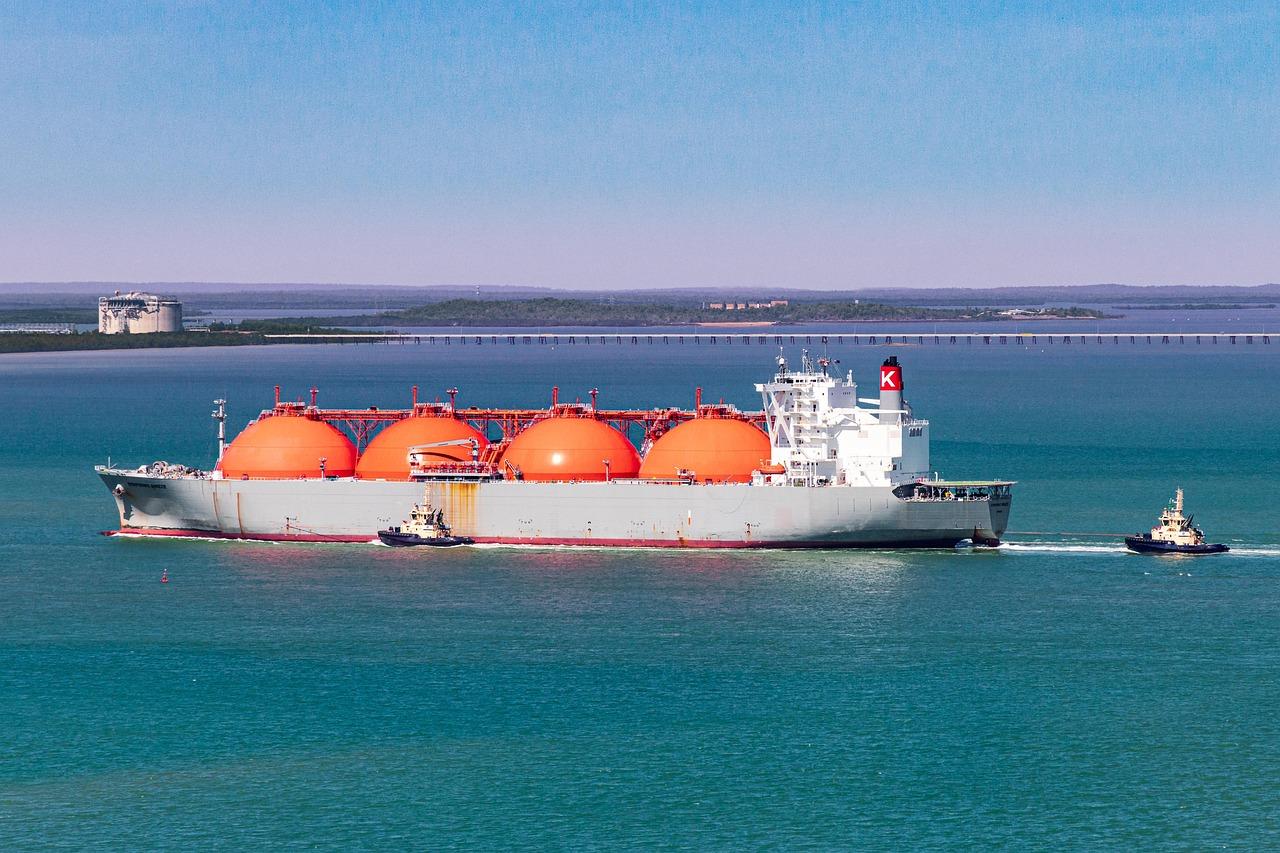
The country behind the negotiator's seat is itself deeply invested in the fuels the talks address. Australia is the world's second largest exporter of coal burned in power stations and the largest exporter of coal for steelmaking.
- Roughly one fifth of global liquefied natural gas exports come from Australia, on par with Qatar and behind only the United States
- The government expects the export value of coal, gas and oil to reach $141bn (US$98bn) this financial year
Bowen has been urged to set aside support for these near US$100bn export industries and instead fight for a global agreement to move away from coal, gas and oil. He has pushed back on the argument that this disqualifies Australia from leading, saying all countries face the transition and that Australia's domestic shift away from coal in electricity has been internationally recognised.
What Bowen wants out of Cop31
Bowen has named three priorities for the negotiations.
- Minimising overshoot past the 1.5C Paris agreement temperature goal - a question made more pressing by the timing: the talks open two months after climate scientists confirmed global heating would reach at least 1.8C
- Helping poorer countries access enough climate finance
- A new 2035 electrification goal, backed by Turkey and Australia, to have 35% of final energy use worldwide come from electricity instead of fossil fuels
Ocean protection is likely to be another theme. Notably absent from the official Cop31 agenda is any mention of countries developing detailed plans to transition away from fossil fuels - a step many experts regard as central to limiting the crisis.
Pressure at home and expert views
The gap between Australia's negotiating role and its export position has drawn criticism at home. More than 500 mostly Australian scientists and academics wrote to prime minister Anthony Albanese this week pleading for an end to coal and gas approvals and for a legislated plan to phase out fossil fuel production that protects workers and communities.
Australia cannot credibly lead on climate abroad nor ensure national nor regional security while it expands coal and gas at home.
The letter warned that championing climate finance access while approving new coal and gas projects invites the charge of hypocrisy.
Kathryn McCallum, director of strategy at Climate Action Network Australia, said the Albanese government has approved 38 coal, oil and gas projects since its 2022 election - among them extending the life of one of the biggest gas projects on the planet, Woodside's North West Shelf processing facility in Western Australia, until 2070.
Australia has an opportunity for climate leadership, McCallum said, but as a major exporter expanding coal and gas, it "doesn't pass the pub test" to talk about limiting overshoot while approving corporate proposals for new coal and gas.
Domestic politics add another layer. The conservative Coalition, in opposition, has pledged to scrap the 2050 net zero emissions target, while One Nation rejects climate science entirely. Albanese will need to thread this political needle when he speaks during a two-day leaders summit at the talks.
Bill Hare, chief executive of Climate Analytics, said Australia could pitch this up - to continue the process of developing a fossil fuel roadmap - and that Bowen needs to be brave at this Cop. Countries agreed at the 2023 summit that a transition was needed, he noted, and Brazil, president of last year's climate summit, progressed calls for countries to develop plans to leave fossil fuels behind.
Brazil published the first global fossil fuel roadmap this week, though experts pointed to a lack of benchmarks or timelines. Hare called the 1.5C overshoot a critical issue: fossil fuels are about 75% of global emissions, and overshoot cannot be limited without a rapid transition away from them.
Frank Jotzo of the Australian National University was more cautious in his expectations. He doubted all participants would agree on a route away from fossil fuels and predicted the Australian government will want to play this very safe, keeping the presidency focused on orderly procedure. The talks run for two weeks in Antalya and, working by consensus, are meant to end with a cover decision every country agrees on.


