Chiricahua National Park: Arizona monument becomes the 64th US national park
WORLD · ENVIRONMENT

Chiricahua National Park: Arizona monument becomes the 64th US national park

Chiricahua national monument in south-eastern Arizona is now Chiricahua national park, the 64th US national park, after Donald Trump signed the legislation on Tuesday.

By LiveDigestPublished Thursday, October 22, 2026 · 12:22 GMT | 2 min read

Chiricahua National Park: Arizona monument becomes the 64th US national park

01 / ENVIRONMENT

A bipartisan bill and a signature

Legislation creating Chiricahua national park was sent to the White House, and Donald Trump signed it on Tuesday, turning the south-eastern Arizona monument into the 64th national park in the US system.

The bill cleared Congress with bipartisan backing before reaching the president's desk.

02 / ENVIRONMENT

Land of Standing-Up Rocks

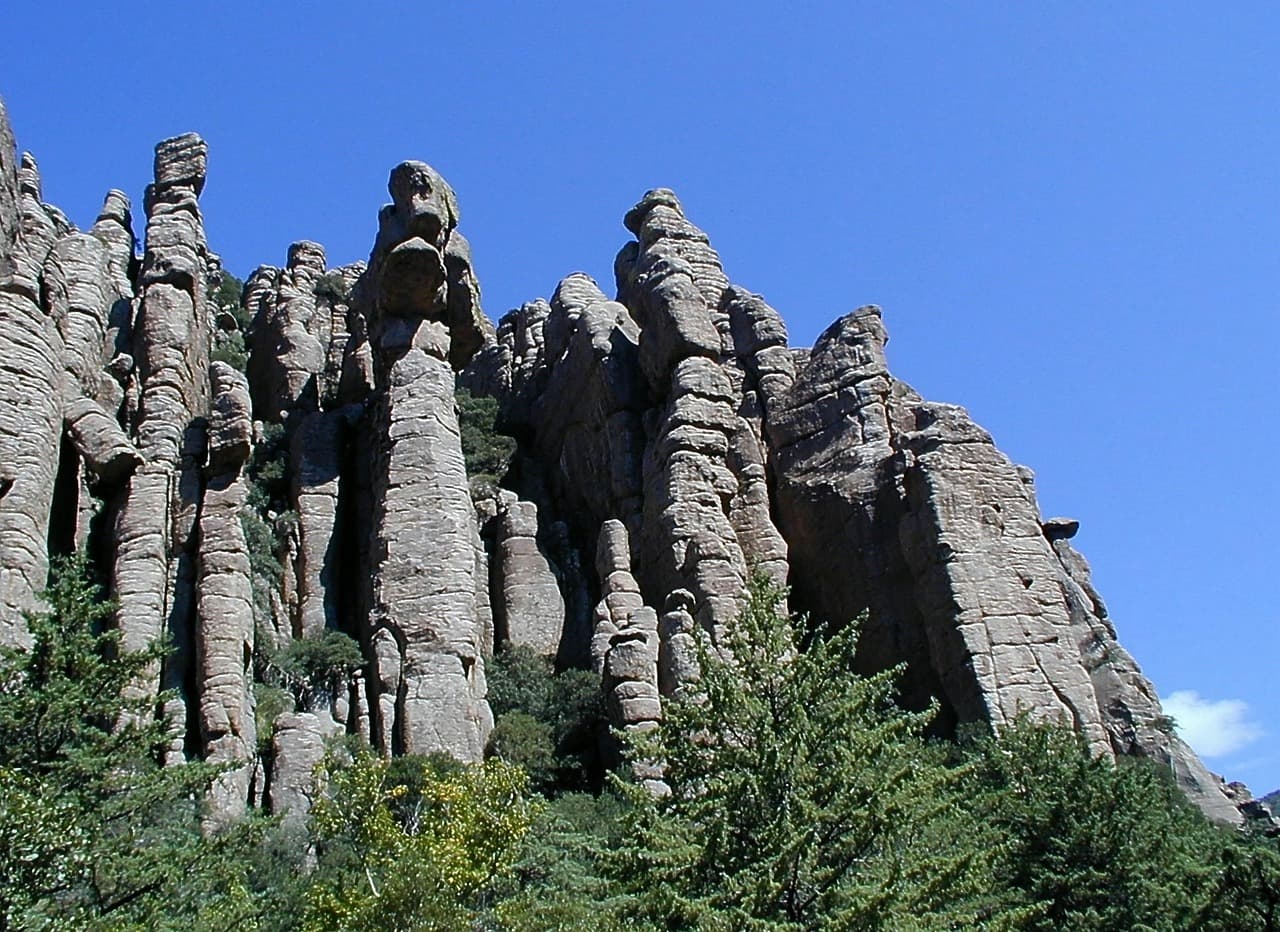
The site is known among Native Americans as the Land of Standing-Up Rocks, a landscape of towering rock spires. Early settlers called it the Wonderland of Rocks, while the name Chiricahua comes from the surrounding mountains.

  • The 19-square-mile (49-square-kilometer) site sits within the historical territory of the Chiricahua Apache tribes.
  • It was designated a national monument in the 1920s to preserve hundreds of pinnacle-shaped rocks formed from an ancient volcanic eruption.
  • Calvin Coolidge named the site a national monument in 1924 under the Antiquities Act, and Franklin D Roosevelt expanded it in 1938.

The Chiricahua Apache had lived in the area for centuries and often resisted European newcomers. They clashed with settlers until surrendering to US troops in 1886, after which they were forcibly removed to the San Carlos Apache reservation.

03 / ENVIRONMENT

Lawmakers and officials welcome the change

Interior secretary Doug Burgum said the park's rock spires, Apache heritage and biodiversity make it one of America's most extraordinary landscapes. He said the national park designation will shine a national spotlight on one of Arizona's hidden gems, welcome more visitors, strengthen local economies and share the landscape with more Americans. The site draws roughly 60,000 visitors annually.

Arizona senator Mark Kelly called it a win for south-eastern Arizona communities and for everyone who worked to protect the place, saying the protection is so kids and grandkids can enjoy it.

While its name is changing, our commitment remains the same: protecting this remarkable landscape and its cultural heritage

That was Jessica Bowron, comptroller and acting director of the National Park Service, on the change.

04 / ENVIRONMENT

Tribal access and next steps

The bill preserves tribal access to the park for traditional ceremonies and allows temporary public closures to protect those cultural uses.

US representative Juan Ciscomani of Arizona said the specifics of those closures have not been decided.


Chiricahua National Park: Arizona monument becomes the 64th US national park
WORLD · ENVIRONMENT

Chiricahua National Park: Arizona monument becomes the 64th US national park

Chiricahua national monument in south-eastern Arizona is now Chiricahua national park, the 64th US national park, after Donald Trump signed the legislation on Tuesday.

By LiveDigestPublished Thursday, October 22, 2026 · 12:22 GMT | 2 min read

Chiricahua National Park: Arizona monument becomes the 64th US national park

01 / ENVIRONMENT

A bipartisan bill and a signature

Legislation creating Chiricahua national park was sent to the White House, and Donald Trump signed it on Tuesday, turning the south-eastern Arizona monument into the 64th national park in the US system.

The bill cleared Congress with bipartisan backing before reaching the president's desk.

02 / ENVIRONMENT

Land of Standing-Up Rocks

The site is known among Native Americans as the Land of Standing-Up Rocks, a landscape of towering rock spires. Early settlers called it the Wonderland of Rocks, while the name Chiricahua comes from the surrounding mountains.

  • The 19-square-mile (49-square-kilometer) site sits within the historical territory of the Chiricahua Apache tribes.
  • It was designated a national monument in the 1920s to preserve hundreds of pinnacle-shaped rocks formed from an ancient volcanic eruption.
  • Calvin Coolidge named the site a national monument in 1924 under the Antiquities Act, and Franklin D Roosevelt expanded it in 1938.

The Chiricahua Apache had lived in the area for centuries and often resisted European newcomers. They clashed with settlers until surrendering to US troops in 1886, after which they were forcibly removed to the San Carlos Apache reservation.

03 / ENVIRONMENT

Lawmakers and officials welcome the change

Interior secretary Doug Burgum said the park's rock spires, Apache heritage and biodiversity make it one of America's most extraordinary landscapes. He said the national park designation will shine a national spotlight on one of Arizona's hidden gems, welcome more visitors, strengthen local economies and share the landscape with more Americans. The site draws roughly 60,000 visitors annually.

Arizona senator Mark Kelly called it a win for south-eastern Arizona communities and for everyone who worked to protect the place, saying the protection is so kids and grandkids can enjoy it.

That was Jessica Bowron, comptroller and acting director of the National Park Service, on the change.

While its name is changing, our commitment remains the same: protecting this remarkable landscape and its cultural heritage
04 / ENVIRONMENT

Tribal access and next steps

The bill preserves tribal access to the park for traditional ceremonies and allows temporary public closures to protect those cultural uses.

US representative Juan Ciscomani of Arizona said the specifics of those closures have not been decided.

Chiricahua National Park: Arizona monument becomes the 64th US national park
WORLD · ENVIRONMENT

Chiricahua National Park: Arizona monument becomes the 64th US national park

By LiveDigest

Chiricahua National Park: Arizona monument becomes the 64th US national park

01 / ENVIRONMENT

A bipartisan bill and a signature

Legislation creating Chiricahua national park was sent to the White House, and Donald Trump signed it on Tuesday, turning the south-eastern Arizona monument into the 64th national park in the US system.

The bill cleared Congress with bipartisan backing before reaching the president's desk.

02 / ENVIRONMENT

Land of Standing-Up Rocks

The site is known among Native Americans as the Land of Standing-Up Rocks, a landscape of towering rock spires. Early settlers called it the Wonderland of Rocks, while the name Chiricahua comes from the surrounding mountains.

  • The 19-square-mile (49-square-kilometer) site sits within the historical territory of the Chiricahua Apache tribes.
  • It was designated a national monument in the 1920s to preserve hundreds of pinnacle-shaped rocks formed from an ancient volcanic eruption.
  • Calvin Coolidge named the site a national monument in 1924 under the Antiquities Act, and Franklin D Roosevelt expanded it in 1938.

The Chiricahua Apache had lived in the area for centuries and often resisted European newcomers. They clashed with settlers until surrendering to US troops in 1886, after which they were forcibly removed to the San Carlos Apache reservation.

03 / ENVIRONMENT

Lawmakers and officials welcome the change

Interior secretary Doug Burgum said the park's rock spires, Apache heritage and biodiversity make it one of America's most extraordinary landscapes. He said the national park designation will shine a national spotlight on one of Arizona's hidden gems, welcome more visitors, strengthen local economies and share the landscape with more Americans. The site draws roughly 60,000 visitors annually.

Arizona senator Mark Kelly called it a win for south-eastern Arizona communities and for everyone who worked to protect the place, saying the protection is so kids and grandkids can enjoy it.

That was Jessica Bowron, comptroller and acting director of the National Park Service, on the change.

While its name is changing, our commitment remains the same: protecting this remarkable landscape and its cultural heritage
04 / ENVIRONMENT

Tribal access and next steps

The bill preserves tribal access to the park for traditional ceremonies and allows temporary public closures to protect those cultural uses.

US representative Juan Ciscomani of Arizona said the specifics of those closures have not been decided.