
China, Russia and US peace declaration silent on Ukraine and Iran wars
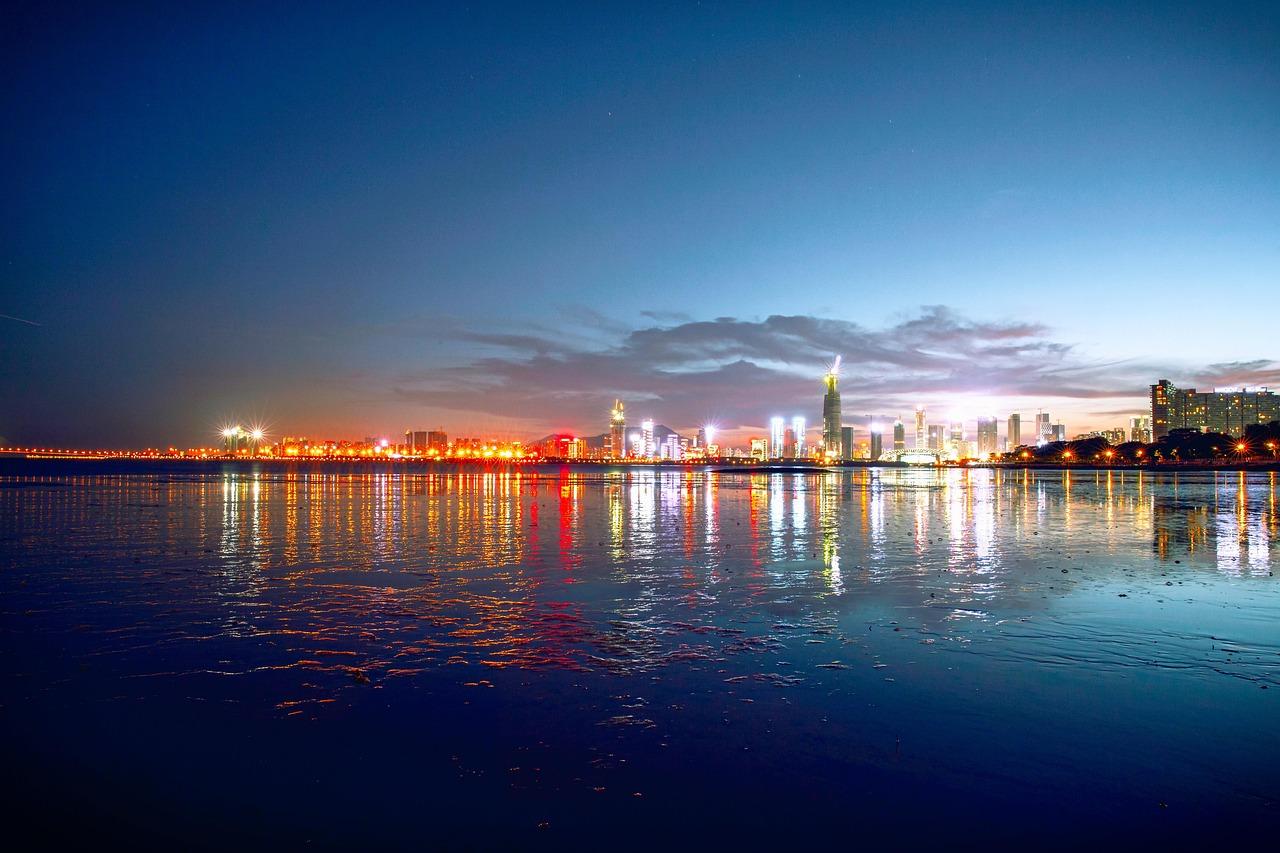
China, Russia and the United States issued a joint peace declaration on Thursday after a trilateral summit in Shenzhen, without mentioning the wars in Ukraine or Iran. The china russia us peace statement set out priorities including UN reform, increased oil supplies and protection of diplomatic immunity, but stopped short of any framework on nuclear weapons.
China, Russia and US peace declaration silent on Ukraine and Iran wars
Nuclear language without a framework
The statement affirmed that a nuclear war cannot be won and must not be fought, but it did not propose the beginnings of a framework for denuclearisation. That wording is the same as language previously issued by the five permanent members of the UN security council, which includes France and the UK.
Some observers had hoped the talks would address arms reductions among the three largest nuclear powers. Beijing has previously rebuffed Donald Trump's advances to join such negotiations, pointing to the larger US and Russian stockpiles. At the summit, Xi Jinping called for nuclear weapons to "be completely prohibited and thoroughly destroyed over time to make the world free of [them]".
What the declaration committed to
The declaration, issued in Shenzhen, listed a set of concrete priorities. The three leaders "committed themselves to maintaining strategic stability and international security", and said they planned "to increase the production and supply of refined petroleum products for the benefit of all nations". It also stated that "the international criminal court [ICC] and other similar institutions must not abuse their jurisdiction".
- Promoting UN reform so that it may respond more effectively to global challenges, the declaration's first stated concern
- Increasing production and supply of refined petroleum products for the benefit of all nations
- Maintaining strategic stability and international security
- Restraining the international criminal court and similar institutions from abusing their jurisdiction
The ICC clause carried weight for one attendee in particular: Vladimir Putin is subject to an ICC arrest warrant and has not attended an Apec summit in years, and the clause added to the perception that he has done well from the meeting.
Analysts question the substance
Patricia Kim, a Chinese foreign policy expert at the Brookings Institution, said the real test will be whether the three countries follow through on their stated commitment to discuss nuclear risk reduction and preventing nuclear proliferation. She added that the lack of breakthroughs may suit China, which has little interest in taking on the diplomatic risks of brokering an actual peace agreement in Ukraine or resolving the conflict with Iran.
Yun Sun, a senior fellow at the Stimson Center, said even the suggestion that China would engage on nuclear talks was significant. She read the UN reform commitment as a favourite Chinese topic, saying "It is able to set the agenda and the deliverables according to its priorities … and make other great powers accept them."
Prof William Hurst of the University of Cambridge's Centre for Geopolitics was more sceptical: "Overall, very little of substance seems to have been accomplished … This summit appears to have been all about the symbolism and prestige value". He said it was no Yalta moment but a solid public demonstration of Russia's and Putin's continuing relevance and power, calling it another example of Putin playing a poor hand to maximum effect.
Shan Guo of Hutong Research, a Shanghai-based advisory firm, said the oil commitment was important, but added "now let's see if the US will lift sanctions".
Leaders defend the talks
Xi Jinping, Vladimir Putin and Donald Trump met at the Asia-Pacific Economic Cooperation summit hosted by China, after the host had promised the meeting would be groundbreaking. Trump told Xi and Putin at the start: "We are really making history. No peace was ever forged by declining opportunities for engagement."
Putin pushed back against the idea that the encounter was merely a photo opportunity. "It is a serious collaborative work," he said, telling a later press conference that the three men had had a free discussion and now had a mutual understanding.
The trilateral was surrounded by bilaterals. Trump and Putin held a separate meeting, their first since August 2025, in which the US president called his Russian counterpart his "friend". Trump and Xi met for their third bilateral of this year, with Xi describing the US-China relationship as "generally stable and positive", according to state media.
Xi also cautioned Washington over Taiwan, saying the US "must keep doing the right thing to avoid major setbacks in US-China relations". On artificial intelligence, he said the two countries should "enhance communication and coordination to guard against security risks … and ensure that AI remains under human control at all times".
The talks between Xi Jinping, Vladimir Putin and Donald Trump lasted about one hour and 20 minutes, and the declaration issued in Shenzhen made no mention of either the Ukraine or Iran conflicts.


