British politicians barred from West Bank with international delegation before Ramallah congress
Four British elected representatives were among 23 international delegates barred from entering the West Bank, where they had planned to meet Palestinian children, farmers and civil society leaders during olive harvest season.
British politicians barred from West Bank with international delegation before Ramallah congress
Who was turned away
A 23-person international delegation, including four British politicians, has been barred from entering the West Bank. The group had travelled to meet Palestinian children, farmers and civil society leaders facing escalating violence from Israeli forces during the olive harvest season.
The delegates came from countries including France, Spain, Luxembourg, Switzerland, Greece, Holland, Ireland and the US.
The four British elected representatives were:
- Clive Lewis, MP for Norwich South
- Lara Bird, MP for the Scottish National party
- Kate Nevens, MSP for the Scottish Green party
- Sam Tarry, a former Labour MP
Detained at the Allenby crossing
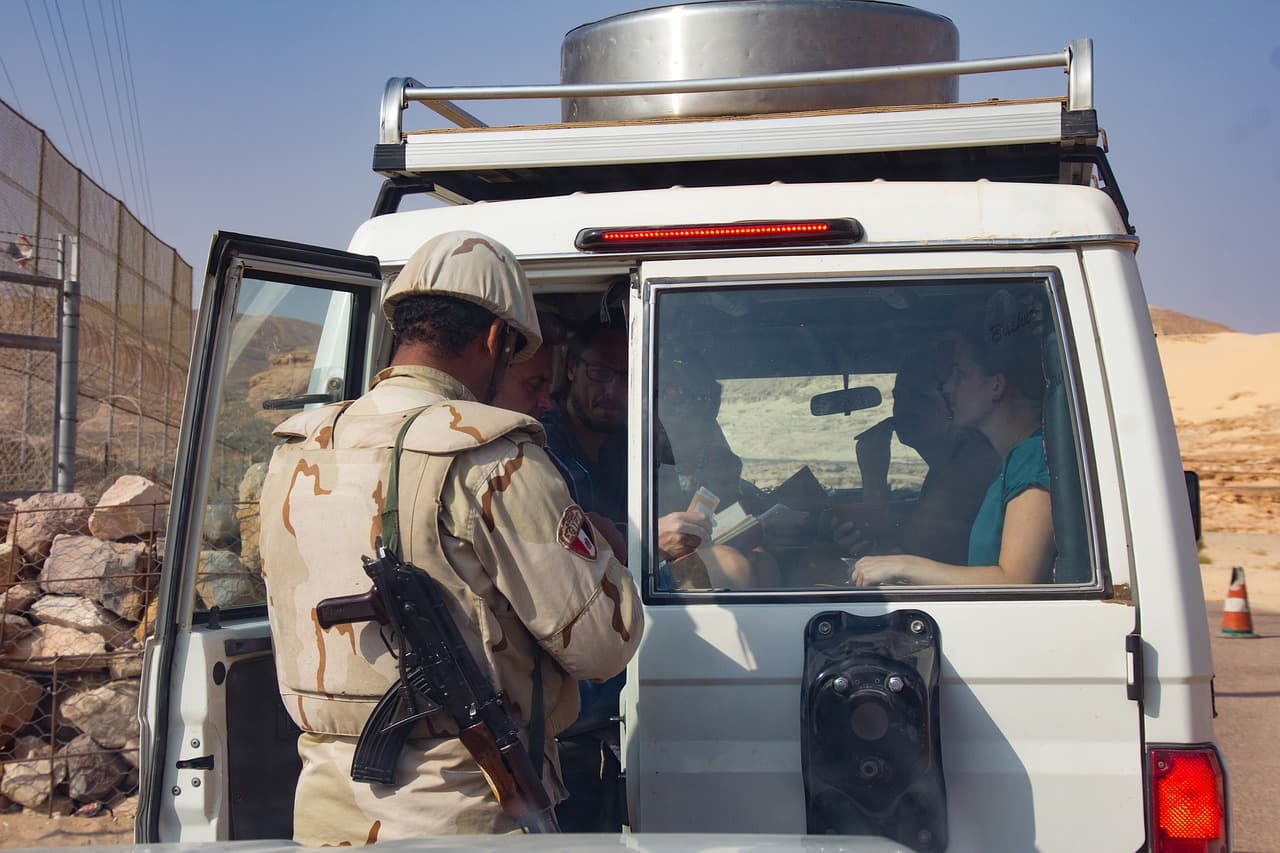
According to Sam Tarry, the group was detained at the Allenby/King Hussein Bridge by Israeli forces in Jordan for nine hours. He said he had believed the delegation had a genuine chance of crossing.
Clive Lewis described what happened to the group at the border. "We were detained, taken aside and then interrogated. I use the word interrogated because people were shouted at," he said. He added that delegates were questioned about their reasons for travelling. "We were asked why we were going in, what was happening, why our stories were one way or the other," Lewis said.
Tarry said Israeli forces had made what he called a political decision, based on not wanting people to witness what has been going on in the West Bank, especially ahead of the elections.
The planned congress
The delegation had been set to attend Progressive International's Second Ramallah Congress, a gathering to oppose Israeli occupation in Palestine. The congress was organised by Progressive International in partnership with Birzeit University and included meetings with Palestinian academics, students and civil society organisations.
Part of a wider pattern
The exclusions took place amid attacks by Israeli forces on Palestinian olive farmers, foreign press and activists in the region. International travel to parts of the West Bank is permitted but subject to military checkpoints.
The incident follows a series of measures and attacks documented during the harvest:
- Earlier in October, Israeli media reported that defence minister Israel Katz had instructed officials to pursue exclusion orders against activists accompanying Palestinian olive harvesters
- The UN aid coordination office recorded at least 160 Israeli settler attacks linked to the olive harvest in the first two weeks of October, often under the protection of or with participation by Israeli forces
- Israeli forces attacked European diplomats and a French mayor accompanying Palestinian farmers, and about 80 olive-harvest volunteers, including US congressional candidate Brad Lander, were recently detained
Lara Bird said in a statement: "I came to stand alongside Palestinians being attacked for harvesting olives on their own land. Instead, we were turned away at the border." She said she was given no reason. Bird added that it is more important than ever to bear witness and show solidarity, asking: "If Israel has nothing to hide, why is it so determined to stop us seeing what is happening?"
Laila Hazaineh, a political coordinator for Progressive International, said: "Despite escalating violence, our delegation remained determined to cross to Palestine to participate in the olive harvest." She said the delegation aimed to engage with Palestinian communities and institutions, and that "Every refusal of entry will only strengthen this determination."
The embassy of Israel has been contacted for comment.