Bank of England Slavery Links: Directors Profited from Cuban Enslavement After Abolition
Businesses run by long-serving Bank of England directors, including Charles Pascoe Grenfell and William Thompson, profited from enslavement at Cuba's El Cobre copper mine decades after Britain abolished slavery, research by historian Chris Evans shows.
Bank of England Slavery Links: Directors Profited from Cuban Enslavement After Abolition
Historian Chris Evans, a former professor at the University of South Wales, has found that British businesses run by long-serving Bank of England directors profited from enslavement in Cuba decades after Britain ended the slave trade in 1807 and abolished slavery across most of its empire in 1833. His book, 'Slavery's Long Goodbye – Capitalism, Nationalism and Christianity in the Age of British Emancipation', centres on the El Cobre copper mine and on two directors acting privately: Charles Pascoe Grenfell (1790-1867) and William Thompson (1792-1854).
Evans found that as Britain wound down its own slave system in the 1830s, British capital was boosting slavery elsewhere in the western hemisphere.
The El Cobre copper mine
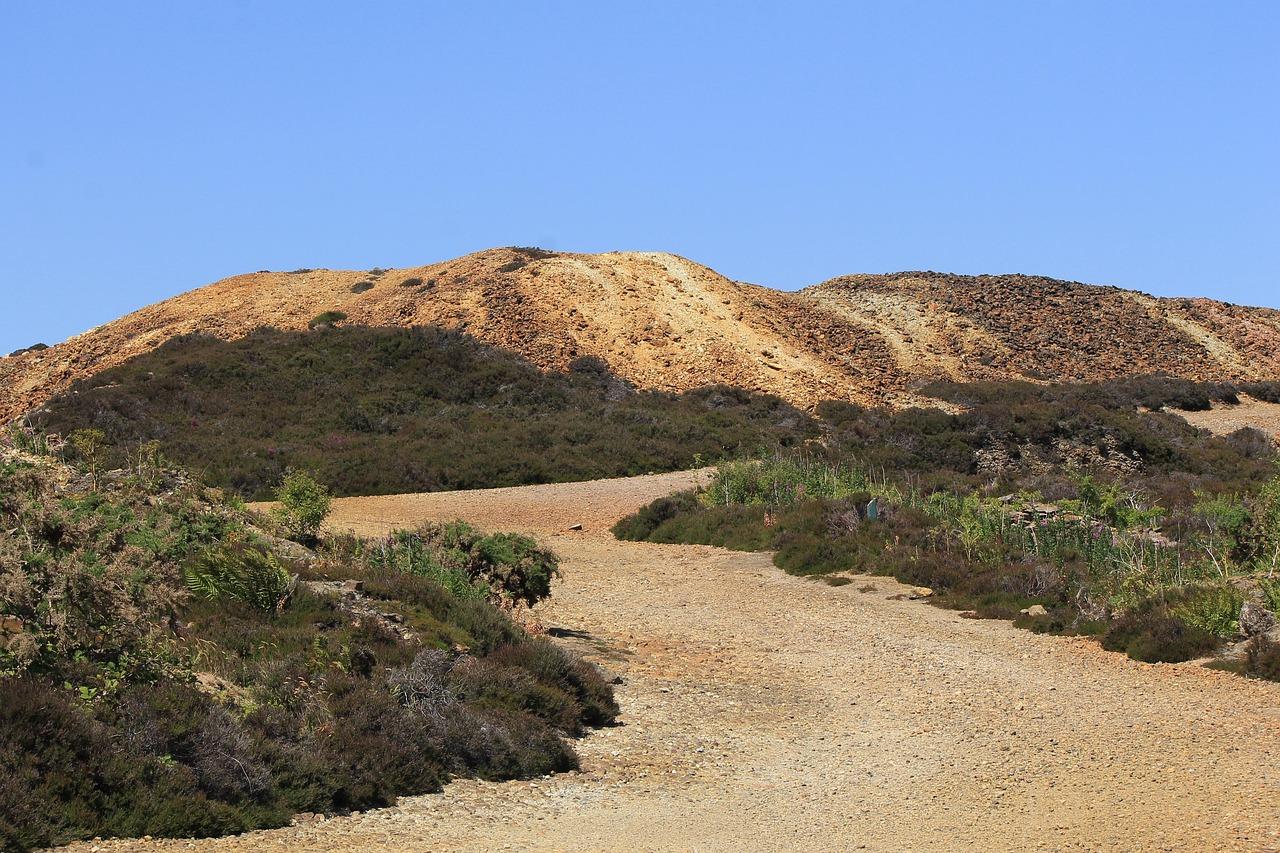
The El Cobre copper ore mine near Santiago de Cuba worked enslaved men and boys in prison conditions, supplying British firms during the Industrial Revolution. By the 1840s, Cuba was the most important foreign source of copper ore for the UK, and the metal was critical to Manchester's cotton industry, railways and telegraphy.
The enslaved miners were likely trafficked to Cuba by illegal voyages from the Bight of Biafra, in modern-day Nigeria. Slavery itself was legal in Cuba at the time, but the importation of enslaved people was not. Spain had signed a treaty banning the trafficking of enslaved Africans to Cuba in 1817 under British pressure, yet local colonial authorities ignored it.
Conditions at the mine were, in Evans's words, "extremely brutal", with daily violence and torture; miners who tried to escape to the mountains were snatched back by slave catchers. By the 1840s, Evans judges Cobre "likely to be the largest slave enterprise in the western hemisphere". The mine's death rate suggests that thousands of Africans were exploited there, and their life stories remain largely undocumented.
The wider trade flourished alongside them: French and Spanish merchants ran illegal voyages that British patrols off Cuba intercepted only in small numbers. Cuba's sugar and coffee plantations likewise depended on enslaved African workers, with 25,000 captives arriving in 1859 alone.
The directors and their companies
As the Slavery Abolition Act came into force, City of London figures were developing mining of El Cobre's copper deposits in Spanish-controlled Cuba, a system dependent on enslavement. Grenfell was a partner in the Cobre mining and export company and, in Evans's account, a driving force in the exploitation of the enslaved miners. Thompson, a former lord mayor of London, exploited the enslaved miners through the Royal Santiago Company, an ore export firm he directed.
Grenfell's business interests stretched further. He was also a partner in the Swansea-based smelter Pascoe, Grenfell & Sons, which bought imports from the mine at a time when the Welsh port led the global copper trade.
The returns were substantial:
- Investors holding Cobre shares from the outset received £102 in dividends for every £40 share between 1836 and 1865.
Failed laws and no penalties
The involvement of British companies did not go unchallenged. In 1843, investigations exposing British mining companies in Brazil and Cuba, combined with pressure from the British and Foreign Anti-Slavery Society, prompted legislation to prohibit British subjects from owning enslaved people abroad.
Mining interests lobbied against the bill, and parliament diluted it so that companies could keep enslaved workers as their "property" and hire others. Abolitionists withdrew their support, and the law failed.
Neither Grenfell nor Thompson appears to have faced legal penalties. Grenfell went on to become the Liberal MP for Preston in the late 1840s and later boasted that his father had been an abolitionist; he remained a Bank of England director until 1864.
Evans argues that slavery was rendered invisible by the complexity of industrial society, and that British engagement with slavery continued long after Emancipation, involving London's mercantile-financial elite and possibly thousands of Victorian middle-class investors. Previous research had already found that dozens of financiers involved in the founding of the Bank of England in 1694 invested in enslavement.
A Bank of England spokesperson said the institution has previously acknowledged this history.
We have previously acknowledged the role of former governors and directors in the slave trade
The end of enslavement at El Cobre
The system at El Cobre collapsed in November 1868, when Cuban revolutionaries took the town from Spanish forces. On New Year's Eve, the rebel commander declared the miners free, and men who had been enslaved there went on to fight in Cuba's liberation army.