Baby sea turtles California: first 75 olive ridley hatchlings swim out to sea
WORLD · ENVIRONMENT

Baby sea turtles California: first 75 olive ridley hatchlings swim out to sea

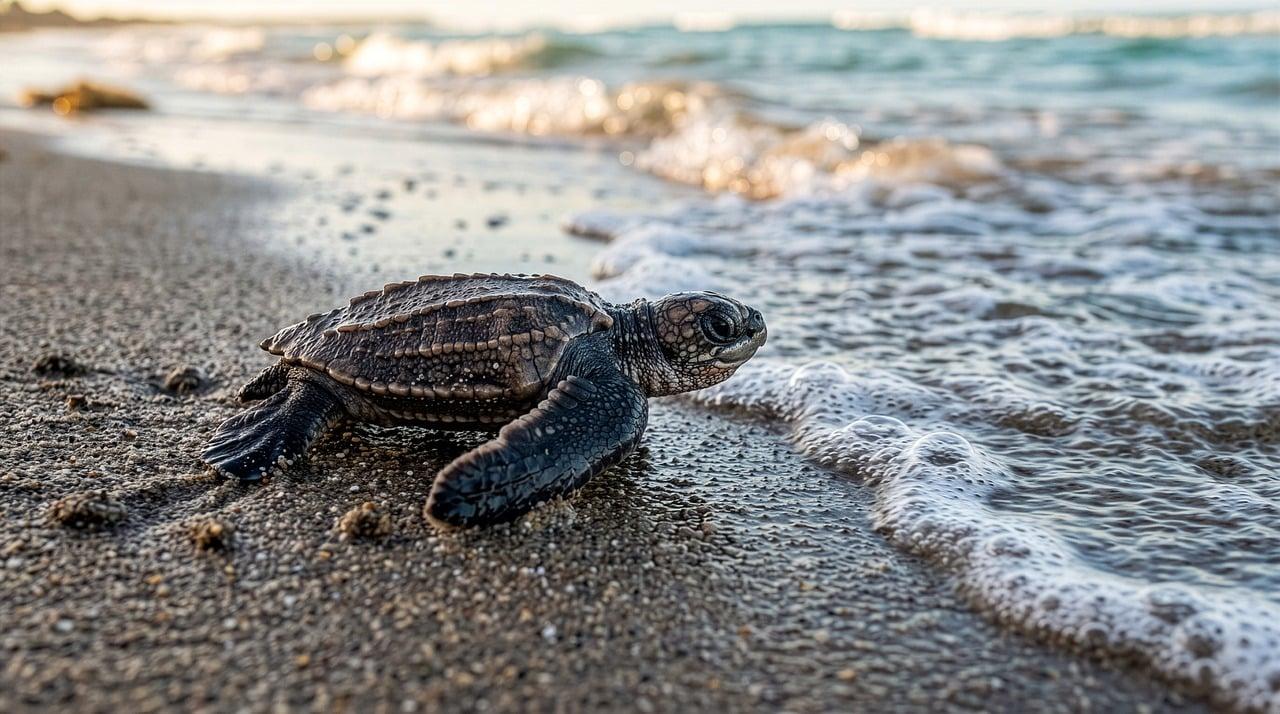
Two months after the first sea turtle nests ever recorded on the US west coast were found, 75 native-born olive ridley baby sea turtles were released into the Pacific from southern California beaches.

By LiveDigestPublished Tuesday, November 17, 2026 · 00:00 GMT | 3 min read

Baby sea turtles California: first 75 olive ridley hatchlings swim out to sea

01 / ENVIRONMENT

Two nests, two releases

California's first batch of 75 native-born olive ridley sea turtles has been released into the Pacific, two months after the first sea turtle nests ever recorded on the US west coast were discovered. The Aquarium of the Pacific announced on social media on Saturday that eggs from the Seal Beach nest had hatched after a 58-day incubation and that the hatchlings were released from the beach in the dark early hours of that morning.

The releases came from both nests:

  • 54 turtles from the Seal Beach nest, released on Saturday
  • 21 turtles from the Huntington Beach nest, released into the ocean early Sunday morning, a day later
02 / ENVIRONMENT

How the nests were found and moved

On September 16, an olive ridley sea turtle was observed digging a nest and laying eggs on Seal Beach, the first recorded instance of any sea turtle nesting on the west coast. Three days later, a second turtle was spotted nesting on Huntington Beach.

As Hurricane Polo began to form in late September, researchers from the aquarium and its federal and local partners relocated the 204 eggs from the two nests to incubate at the aquarium's animal care facility.

03 / ENVIRONMENT

Why southern California

The eggs incubated at the Aquarium of the Pacific in Long Beach after the two nests were found in September at southern California beaches, a shift the aquarium said was likely driven in part by this year's El Niño conditions. It listed other possible influences, including the recent tropical storm, range expansion or navigational mistakes, noting the species is known for behavioral flexibility.

The olive ridley is typically a tropical species that normally resides in the Pacific, Indian and Atlantic oceans, and is known to nest on the southern tip of Baja California. The aquarium said it is not known why the turtles chose southern California beaches, but that the nesting points to an important historical change with possible long-term implications for the species and for local sea turtle management and protection.

04 / ENVIRONMENT

What comes next

Jeff Flocken, president and CEO of the Aquarium of the Pacific, said that if the baby turtles successfully hatch, they will likely one day return to nest on these very same beaches, a remarkable opportunity to help the species expand its range and thrive.

"As animals adapt in unexpected ways to changes in their natural world, humans will need to adapt and make space"

Flocken said humans will need to make that space so that endangered and threatened species get a fighting chance.

Researchers are continuing to ask the public to watch for more nests. A third nest was recorded in Ventura county on 1 November, but those eggs were swept away by unusually high tides, likely also caused by El Niño.


Baby sea turtles California: first 75 olive ridley hatchlings swim out to sea
WORLD · ENVIRONMENT

Baby sea turtles California: first 75 olive ridley hatchlings swim out to sea

Two months after the first sea turtle nests ever recorded on the US west coast were found, 75 native-born olive ridley baby sea turtles were released into the Pacific from southern California beaches.

By LiveDigestPublished Tuesday, November 17, 2026 · 00:00 GMT | 3 min read

Baby sea turtles California: first 75 olive ridley hatchlings swim out to sea

01 / ENVIRONMENT

Two nests, two releases

California's first batch of 75 native-born olive ridley sea turtles has been released into the Pacific, two months after the first sea turtle nests ever recorded on the US west coast were discovered. The Aquarium of the Pacific announced on social media on Saturday that eggs from the Seal Beach nest had hatched after a 58-day incubation and that the hatchlings were released from the beach in the dark early hours of that morning.

The releases came from both nests:

  • 54 turtles from the Seal Beach nest, released on Saturday
  • 21 turtles from the Huntington Beach nest, released into the ocean early Sunday morning, a day later
02 / ENVIRONMENT

How the nests were found and moved

On September 16, an olive ridley sea turtle was observed digging a nest and laying eggs on Seal Beach, the first recorded instance of any sea turtle nesting on the west coast. Three days later, a second turtle was spotted nesting on Huntington Beach.

As Hurricane Polo began to form in late September, researchers from the aquarium and its federal and local partners relocated the 204 eggs from the two nests to incubate at the aquarium's animal care facility.

03 / ENVIRONMENT

Why southern California

The eggs incubated at the Aquarium of the Pacific in Long Beach after the two nests were found in September at southern California beaches, a shift the aquarium said was likely driven in part by this year's El Niño conditions. It listed other possible influences, including the recent tropical storm, range expansion or navigational mistakes, noting the species is known for behavioral flexibility.

The olive ridley is typically a tropical species that normally resides in the Pacific, Indian and Atlantic oceans, and is known to nest on the southern tip of Baja California. The aquarium said it is not known why the turtles chose southern California beaches, but that the nesting points to an important historical change with possible long-term implications for the species and for local sea turtle management and protection.

04 / ENVIRONMENT

What comes next

Jeff Flocken, president and CEO of the Aquarium of the Pacific, said that if the baby turtles successfully hatch, they will likely one day return to nest on these very same beaches, a remarkable opportunity to help the species expand its range and thrive.

Flocken said humans will need to make that space so that endangered and threatened species get a fighting chance.

Researchers are continuing to ask the public to watch for more nests. A third nest was recorded in Ventura county on 1 November, but those eggs were swept away by unusually high tides, likely also caused by El Niño.

"As animals adapt in unexpected ways to changes in their natural world, humans will need to adapt and make space"
Baby sea turtles California: first 75 olive ridley hatchlings swim out to sea
WORLD · ENVIRONMENT

Baby sea turtles California: first 75 olive ridley hatchlings swim out to sea

By LiveDigest

Baby sea turtles California: first 75 olive ridley hatchlings swim out to sea

01 / ENVIRONMENT

Two nests, two releases

California's first batch of 75 native-born olive ridley sea turtles has been released into the Pacific, two months after the first sea turtle nests ever recorded on the US west coast were discovered. The Aquarium of the Pacific announced on social media on Saturday that eggs from the Seal Beach nest had hatched after a 58-day incubation and that the hatchlings were released from the beach in the dark early hours of that morning.

The releases came from both nests:

  • 54 turtles from the Seal Beach nest, released on Saturday
  • 21 turtles from the Huntington Beach nest, released into the ocean early Sunday morning, a day later
02 / ENVIRONMENT

How the nests were found and moved

On September 16, an olive ridley sea turtle was observed digging a nest and laying eggs on Seal Beach, the first recorded instance of any sea turtle nesting on the west coast. Three days later, a second turtle was spotted nesting on Huntington Beach.

As Hurricane Polo began to form in late September, researchers from the aquarium and its federal and local partners relocated the 204 eggs from the two nests to incubate at the aquarium's animal care facility.

03 / ENVIRONMENT

Why southern California

The eggs incubated at the Aquarium of the Pacific in Long Beach after the two nests were found in September at southern California beaches, a shift the aquarium said was likely driven in part by this year's El Niño conditions. It listed other possible influences, including the recent tropical storm, range expansion or navigational mistakes, noting the species is known for behavioral flexibility.

The olive ridley is typically a tropical species that normally resides in the Pacific, Indian and Atlantic oceans, and is known to nest on the southern tip of Baja California. The aquarium said it is not known why the turtles chose southern California beaches, but that the nesting points to an important historical change with possible long-term implications for the species and for local sea turtle management and protection.

04 / ENVIRONMENT

What comes next

Jeff Flocken, president and CEO of the Aquarium of the Pacific, said that if the baby turtles successfully hatch, they will likely one day return to nest on these very same beaches, a remarkable opportunity to help the species expand its range and thrive.

Flocken said humans will need to make that space so that endangered and threatened species get a fighting chance.

Researchers are continuing to ask the public to watch for more nests. A third nest was recorded in Ventura county on 1 November, but those eggs were swept away by unusually high tides, likely also caused by El Niño.

"As animals adapt in unexpected ways to changes in their natural world, humans will need to adapt and make space"