Andy Burnham climate policy under strain as green schemes face budget cuts
Chancellor John Healey has cut green schemes including heat pump subsidies, with more than £3bn taken from the energy department, raising fresh questions about Andy Burnham's climate policy and whether green issues are slipping down his agenda.
Andy Burnham climate policy under strain as green schemes face budget cuts
What the budget cut from green schemes
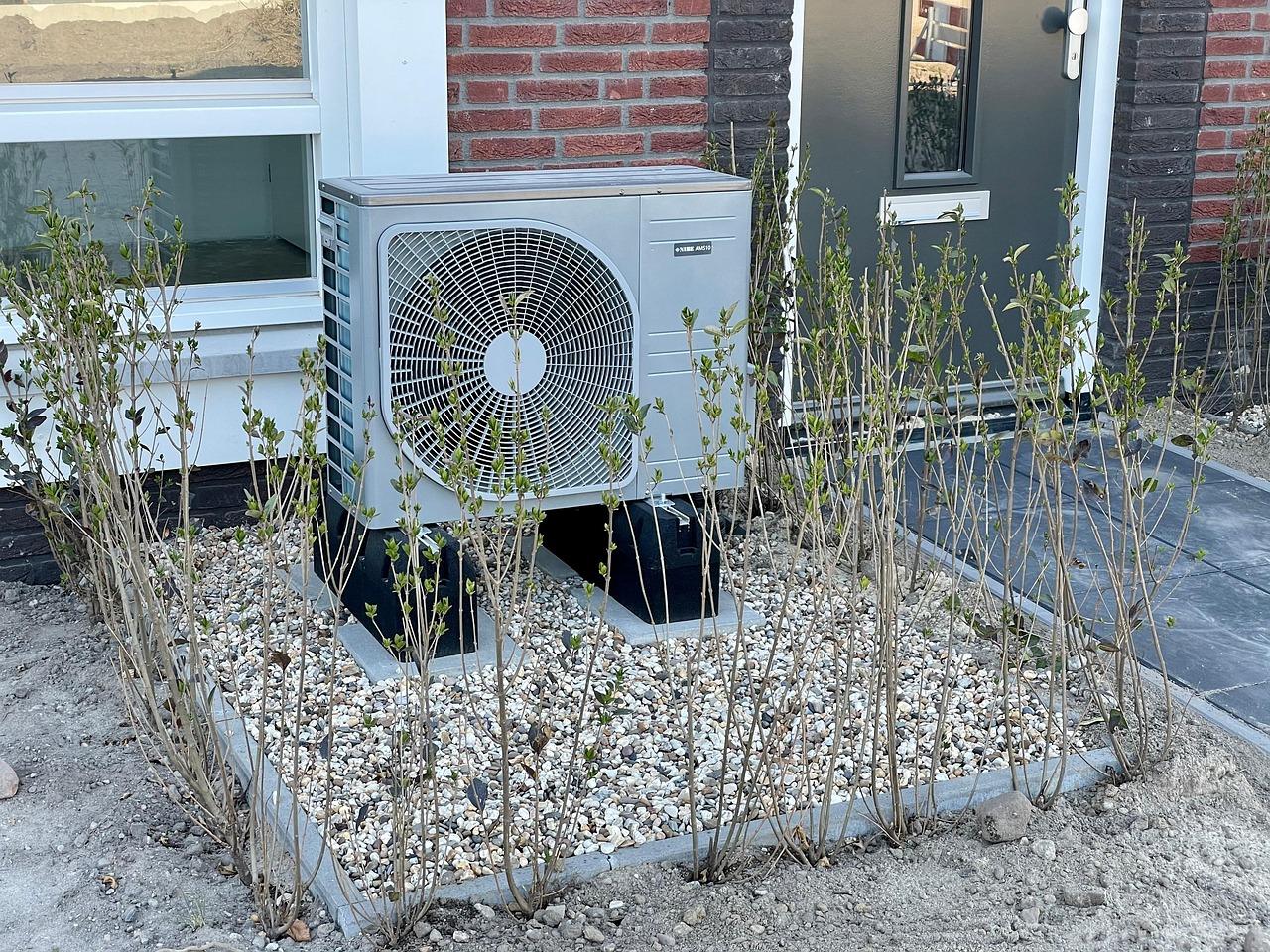
Chancellor John Healey announced a series of cuts to green schemes in the budget, among them the subsidies that help households install heat pumps. The reductions are drawn mainly from the £15bn warm homes plan, which covers heat pumps, rooftop solar, batteries and home insulation and had promised to roll out electrified energy across the country's housing stock.
In total, Healey cut more than £3bn from the energy department, a saving that allowed defence spending to rise - a priority for the former defence secretary.
- The warm homes plan, the main source of the cuts, covers heat pumps, solar panels, batteries and insulation
- Heat pump subsidies were among the schemes trimmed in the budget
- Funding for hydrogen and carbon capture technologies was cut by £700m
- More than £3bn was taken from the energy department overall, freeing money for defence
Why ministers say the cuts are justified
Supporters of the Jackdaw approval and the green scheme cuts defend them on national security grounds, pointing to Europe's dependence on Russian gas, which proved a big problem at the outbreak of the war in Ukraine, and the case for reducing reliance on imported gas.
Those close to the prime minister and the chancellor also argue that the cuts to green schemes were originally agreed by Keir Starmer's government, and that cutting VAT on electricity bills will encourage households to move away from gas. Work is under way in government on shifting further electricity-bill levies into general taxation as the funding route for environmental schemes. Those close to Burnham say he believes tackling climate change can help bring down living costs in the future.
Experts and campaigners respond
On the experts' assessment, the UK will probably fall short of its heat pump goals and could also fail to hit the emissions reductions target set for the next carbon budget. Andrew Sissons of Nesta said cutting the boiler upgrade scheme was a backward step, because home heating is the biggest problem to tackle.
The chancellor made a backward step here.
Sissons described the boiler upgrade scheme as the main tool for taking emissions out of home heating, and said cutting it sends a damaging signal to the heat pump industry. James Dyson, senior researcher at E3G, warned that reliance on gas means the UK will remain vulnerable to economic shocks and military threats.
Campaigners found further faults with the budget: hyperscale datacentres will be permitted to build on-site fossil fuel power generation, and the windfall tax on energy companies was left unchanged. That came against a backdrop of record oil earnings, with BP profits hitting $8.5bn (£6.4bn) in the three months to September - an 18-year high - while Shell doubled profits to $10.8bn. Greenpeace head of politics Ami McCarthy warned there is still a real danger of the government sleepwalking into reversing the progress made so far.
Doubts inside Labour about Burnham's priorities
The budget choices land amid unease in Burnham's own party. Over the summer, some Labour MPs criticised his wildfire response, which centred on asking people to refrain from barbecues rather than addressing the climate emergency.
Backbenchers have also taken positions at odds with the direction of travel. Labour MP Catherine Fookes said she believes the ZEV mandate should stay, and Rosebank should be rejected. Fellow Labour MP Andrew Lewin went further on the oilfield, saying approving Rosebank would risk undermining the UK's record on renewables and that it is not worth it.
One unnamed Labour MP captured the frustration over Andy Burnham's climate policy: he cares about the climate, but if every decision he makes ends up damaging it, his intentions do not really matter.
The splits extend into the cabinet over the pending Rosebank decision. Allies of energy secretary Miatta Fahnbulleh say she wants to block Rosebank, while those close to Healey want it to go ahead; Burnham is reported to have sided with the chancellor, though No 10 insists the prime minister is happy for Fahnbulleh to make her own decision. The outcome is due before the end of the year.
At a meeting this week, ministers are set to settle the 2030 EV target, reportedly facing a reduction of roughly a quarter. Those close to the prime minister say the EV decision reflects business reality and was not his to make, after he recused himself because of his wife's role at an EV charging company. Between the Rosebank ruling and the EV target, both due before the end of the year, the coming weeks will show how far climate sits down the government's agenda.