Trusted messengers key to reaching Amish communities amid measles outbreak, researcher says
WORLD

Trusted messengers key to reaching Amish communities amid measles outbreak, researcher says

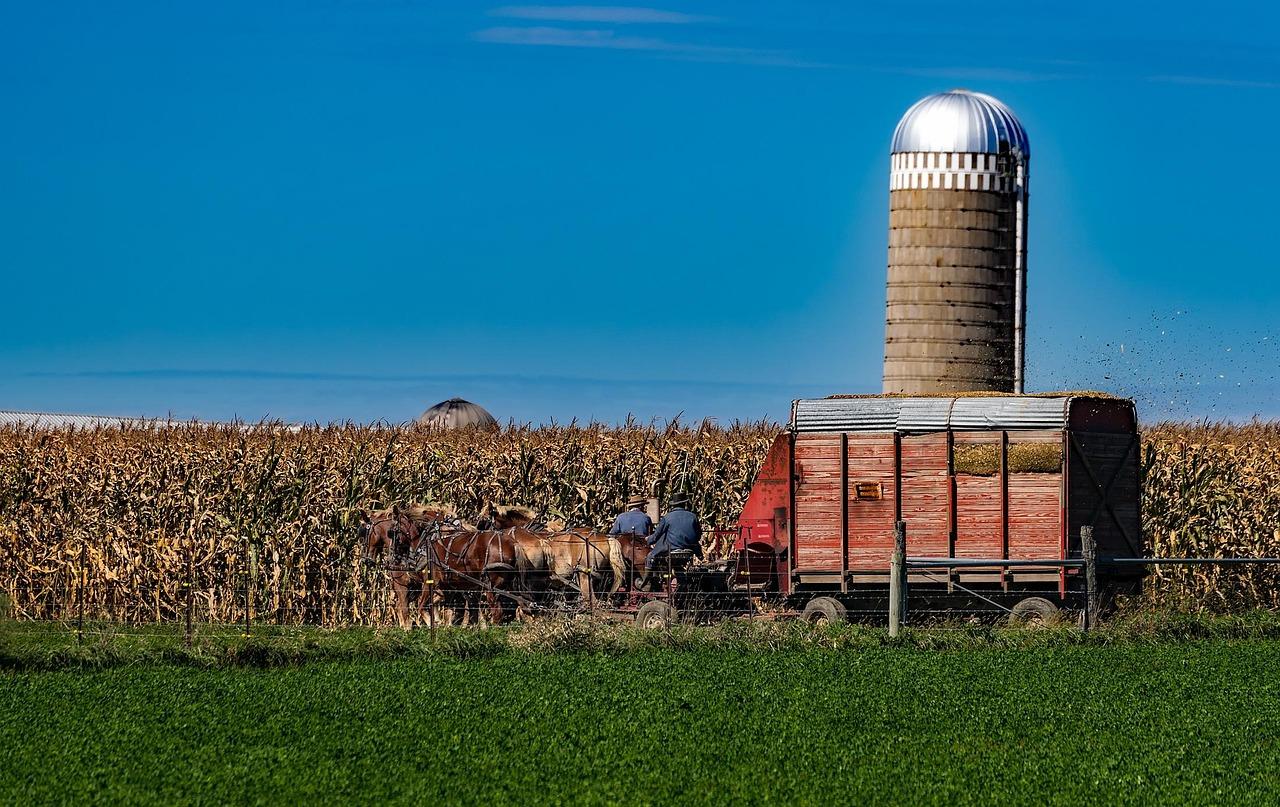
A measles outbreak with deaths in four states is prompting public health experts to urge outreach through 'trusted messengers' as Amish and other Plain Anabaptist communities grapple with the disease.

By LiveDigestPublished Sunday, November 22, 2026 · 14:32 GMT | 3 min read

Trusted messengers key to reaching Amish communities amid measles outbreak, researcher says

01 / WORLD

A deadly outbreak across four states

The Amish measles outbreak has killed at least eight people in Pennsylvania, two in Wisconsin, one in New York and one in Virginia. The disease has spread through communities of Plain Anabaptists, including Amish and Mennonites, in this outbreak and previous ones.

According to Tristan Sharratt, a family nurse practitioner and public health researcher, the toll points to a wider problem. "We haven't invested in rural communities in a long time from a public health perspective," he said, and the outbreak shows the consequences.

02 / WORLD

Who are trusted messengers?

Sharratt, who serves an Amish community of several hundred members in central New York after word spread through a friend's referral, argues that outreach succeeds through trusted messengers: people who understand a community and have earned its respect. Those messengers can be neighbors, co-workers, customers, midwives or long-distance drivers for the Amish.

The approach is slow. Trust-building with these communities takes months to years, Sharratt said, but the current outbreak is an opportunity to start building connections that could prevent the next crisis. Human connection should sit at the center of outreach: build relationships as peers first, then be there when the community is ready to talk about health. The inroads can be informal - buying from an Amish vegetable stand, or working beside an Amish subcontractor on a build site for eight hours.

Sharratt believes the course of the outbreak can still be altered, but only if public health changes how it approaches these communities.

03 / WORLD

Why vaccine hesitancy runs deep

Unvaccinated status in Plain Anabaptist communities usually stems from plain living rather than hostility to medicine, Sharratt said. A central Amish belief, Gelassenheit - essentially "God's will" - holds that one's life belongs to God and that both joy and suffering are God's will.

But external forces have pushed further. Anti-vaccine activism accelerated during the Covid pandemic and has crept into Amish communities, Sharratt said. Non-Amish anti-vaccine groups, including Children's Health Defense - then led by Robert F Kennedy Jr, now the US health and human services secretary - targeted Plain Anabaptist publications with vaccine misinformation.

04 / WORLD

What works and what stands in the way

There is a working model. Sharratt points to the Otsego county health department, which built strong ties with two Amish communities during a pertussis outbreak two decades ago and still runs vaccine clinics with those communities three to four times a year.

The obstacles are practical as well as cultural:

  • Health departments may know where Plain Anabaptist communities are but not their population size, the number of children or vaccination rates - what Sharratt calls a "huge data problem" that requires old epidemiology methods.
  • Most Amish communities use some form of community insurance, with members chipping in to cover healthcare costs, but most providers accept conventional insurance, and uninsured prices can be cost-prohibitive.
  • Each Amish community makes unique healthcare decisions and must be approached as a unique entity, with variability even within communities.

The payoff, Sharratt said, is that convincing an Amish community to adopt an intervention tends to win buy-in from more than just a couple of families, making the reward for the work relatively higher than in other rural communities.

Trusted messengers key to reaching Amish communities amid measles outbreak, researcher says
WORLD

Trusted messengers key to reaching Amish communities amid measles outbreak, researcher says

A measles outbreak with deaths in four states is prompting public health experts to urge outreach through 'trusted messengers' as Amish and other Plain Anabaptist communities grapple with the disease.

By LiveDigestPublished Sunday, November 22, 2026 · 14:32 GMT | 3 min read

Trusted messengers key to reaching Amish communities amid measles outbreak, researcher says

01 / WORLD

A deadly outbreak across four states

The Amish measles outbreak has killed at least eight people in Pennsylvania, two in Wisconsin, one in New York and one in Virginia. The disease has spread through communities of Plain Anabaptists, including Amish and Mennonites, in this outbreak and previous ones.

According to Tristan Sharratt, a family nurse practitioner and public health researcher, the toll points to a wider problem. "We haven't invested in rural communities in a long time from a public health perspective," he said, and the outbreak shows the consequences.

02 / WORLD

Who are trusted messengers?

Sharratt, who serves an Amish community of several hundred members in central New York after word spread through a friend's referral, argues that outreach succeeds through trusted messengers: people who understand a community and have earned its respect. Those messengers can be neighbors, co-workers, customers, midwives or long-distance drivers for the Amish.

The approach is slow. Trust-building with these communities takes months to years, Sharratt said, but the current outbreak is an opportunity to start building connections that could prevent the next crisis. Human connection should sit at the center of outreach: build relationships as peers first, then be there when the community is ready to talk about health. The inroads can be informal - buying from an Amish vegetable stand, or working beside an Amish subcontractor on a build site for eight hours.

Sharratt believes the course of the outbreak can still be altered, but only if public health changes how it approaches these communities.

03 / WORLD

Why vaccine hesitancy runs deep

Unvaccinated status in Plain Anabaptist communities usually stems from plain living rather than hostility to medicine, Sharratt said. A central Amish belief, Gelassenheit - essentially "God's will" - holds that one's life belongs to God and that both joy and suffering are God's will.

But external forces have pushed further. Anti-vaccine activism accelerated during the Covid pandemic and has crept into Amish communities, Sharratt said. Non-Amish anti-vaccine groups, including Children's Health Defense - then led by Robert F Kennedy Jr, now the US health and human services secretary - targeted Plain Anabaptist publications with vaccine misinformation.

04 / WORLD

What works and what stands in the way

There is a working model. Sharratt points to the Otsego county health department, which built strong ties with two Amish communities during a pertussis outbreak two decades ago and still runs vaccine clinics with those communities three to four times a year.

The obstacles are practical as well as cultural:

  • Health departments may know where Plain Anabaptist communities are but not their population size, the number of children or vaccination rates - what Sharratt calls a "huge data problem" that requires old epidemiology methods.
  • Most Amish communities use some form of community insurance, with members chipping in to cover healthcare costs, but most providers accept conventional insurance, and uninsured prices can be cost-prohibitive.
  • Each Amish community makes unique healthcare decisions and must be approached as a unique entity, with variability even within communities.

The payoff, Sharratt said, is that convincing an Amish community to adopt an intervention tends to win buy-in from more than just a couple of families, making the reward for the work relatively higher than in other rural communities.

Trusted messengers key to reaching Amish communities amid measles outbreak, researcher says
WORLD

Trusted messengers key to reaching Amish communities amid measles outbreak, researcher says

By LiveDigest

Trusted messengers key to reaching Amish communities amid measles outbreak, researcher says

01 / WORLD

A deadly outbreak across four states

The Amish measles outbreak has killed at least eight people in Pennsylvania, two in Wisconsin, one in New York and one in Virginia. The disease has spread through communities of Plain Anabaptists, including Amish and Mennonites, in this outbreak and previous ones.

According to Tristan Sharratt, a family nurse practitioner and public health researcher, the toll points to a wider problem. "We haven't invested in rural communities in a long time from a public health perspective," he said, and the outbreak shows the consequences.

02 / WORLD

Who are trusted messengers?

Sharratt, who serves an Amish community of several hundred members in central New York after word spread through a friend's referral, argues that outreach succeeds through trusted messengers: people who understand a community and have earned its respect. Those messengers can be neighbors, co-workers, customers, midwives or long-distance drivers for the Amish.

The approach is slow. Trust-building with these communities takes months to years, Sharratt said, but the current outbreak is an opportunity to start building connections that could prevent the next crisis. Human connection should sit at the center of outreach: build relationships as peers first, then be there when the community is ready to talk about health. The inroads can be informal - buying from an Amish vegetable stand, or working beside an Amish subcontractor on a build site for eight hours.

Sharratt believes the course of the outbreak can still be altered, but only if public health changes how it approaches these communities.

03 / WORLD

Why vaccine hesitancy runs deep

Unvaccinated status in Plain Anabaptist communities usually stems from plain living rather than hostility to medicine, Sharratt said. A central Amish belief, Gelassenheit - essentially "God's will" - holds that one's life belongs to God and that both joy and suffering are God's will.

But external forces have pushed further. Anti-vaccine activism accelerated during the Covid pandemic and has crept into Amish communities, Sharratt said. Non-Amish anti-vaccine groups, including Children's Health Defense - then led by Robert F Kennedy Jr, now the US health and human services secretary - targeted Plain Anabaptist publications with vaccine misinformation.

04 / WORLD

What works and what stands in the way

There is a working model. Sharratt points to the Otsego county health department, which built strong ties with two Amish communities during a pertussis outbreak two decades ago and still runs vaccine clinics with those communities three to four times a year.

The obstacles are practical as well as cultural:

  • Health departments may know where Plain Anabaptist communities are but not their population size, the number of children or vaccination rates - what Sharratt calls a "huge data problem" that requires old epidemiology methods.
  • Most Amish communities use some form of community insurance, with members chipping in to cover healthcare costs, but most providers accept conventional insurance, and uninsured prices can be cost-prohibitive.
  • Each Amish community makes unique healthcare decisions and must be approached as a unique entity, with variability even within communities.

The payoff, Sharratt said, is that convincing an Amish community to adopt an intervention tends to win buy-in from more than just a couple of families, making the reward for the work relatively higher than in other rural communities.