
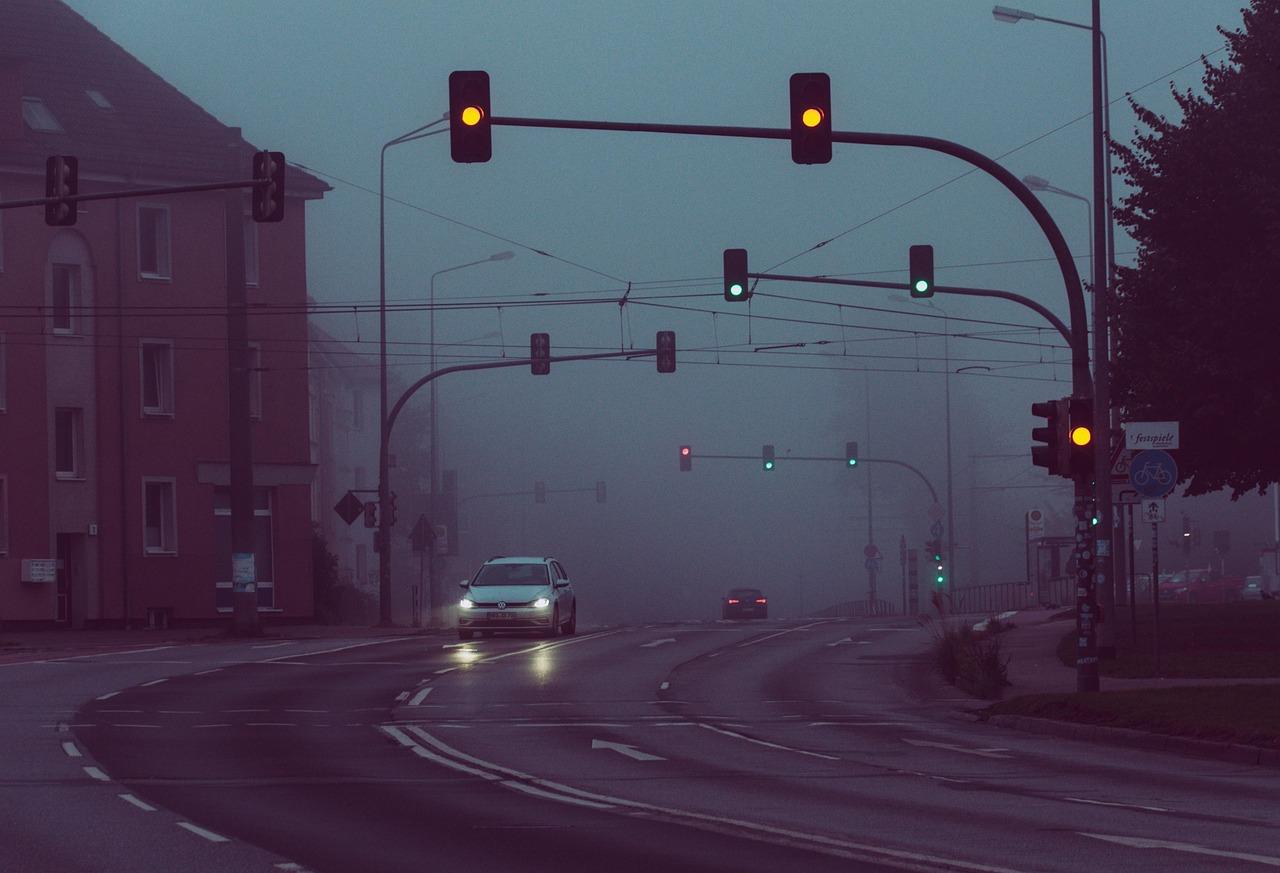
Air pollution England: fog traps emissions as urban sites hit 'very high' levels
Air pollution reached "very high" levels across urban England on Monday, with government monitoring showing 11 sites, mainly in London and Greater Manchester, at the top of the 10-point index after still, foggy weather trapped emissions following a weekend of fireworks and bonfires.
Air pollution England: fog traps emissions as urban sites hit 'very high' levels
Government monitoring showed air pollution across urban England reaching "very high" on Monday, with emissions trapped by still, foggy weather after a weekend of fireworks and bonfires.
Which areas were worst affected
In the 24 hours to 10am, 11 sites, mainly in London and Greater Manchester, reached the highest band on the government's 10-point index for particulate matter.
- A further 27 sites recorded "high" levels across London, the north-west, the Midlands, Yorkshire and the east of England
- In the north-west, Manchester Piccadilly, Wigan, Blackburn, Preston and Rochdale all reached the "very high" band
- Hillingdon in west London recorded the peak PM2.5 reading: a 24-hour average of 129 micrograms per cubic metre, above eight times the World Health Organization's daily guideline
Why the pollution built up
Jane Burston, CEO of the Clean Air Fund, said monitoring networks could not determine where the pollution came from, though autumn celebrations were highly likely to blame. In her account, fireworks, bonfires and Diwali met foggy, windless conditions, so there was no wind to carry pollution off and the fog held it in place.
"If you've got asthma or a lung condition, you absolutely will not have wanted to go outside this morning"
She said that in the areas hit hardest, particulate concentrations in the air were running at five to 10 times the levels normally seen across a year.
Health warnings for vulnerable groups
The fine particles and liquid droplets that make up particulate matter hang suspended in the air, and breathing them in is linked to heart and lung disease and cancer. Burston noted that pollution can trigger asthma attacks, coughing and wheezing.
Calls for alerts and action
Among Burston's demands were improved pollution forecasts, health alerts made easier to access, and firmer measures to cut emissions from wood burning and transport. Cleaner air throughout the year, she argued, would make it harder for the extra Bonfire Night pollution to drive levels to extremes.
- Larissa Lockwood, director of campaigns at Global Action Plan, said the readings came as little surprise given the season's log burners, bonfires and fireworks, with fog trapping that pollution on top of normal transport and industry emissions
- She said domestic burning and transport are the biggest sources of particulate pollution, and called for a public health campaign and "burn alerts" asking people in towns and cities not to use wood burners when levels are high
- Lockwood said non-essential burning in towns and cities should be phased out to avoid unhealthy air pollution levels
- The mayor of London said a high air pollution alert was issued for Tuesday 10 November on the advice of Imperial College London forecasters
- The mayor's spokesperson said monitoring data showed pollution levels rose sharply across London from Friday to Sunday and remained elevated into Monday morning
- A Clean Air Greater Manchester spokesperson said particulate pollution rises around Bonfire Night each year, and that this year's light winds and fog were also an important factor, letting pollution from a range of sources build up close to the ground
A Defra spokesperson said the current still weather conditions were leading to high air pollution levels in parts of the country and encouraged people to check the latest information and health advice. Defra said it was continuing to closely monitor the situation and expected levels to fall later in the week as winds pick up.


