From Oxford lacrosse to the Senate: Abdul El-Sayed's British backstory
WORLD · ELECTIONS

From Oxford lacrosse to the Senate: Abdul El-Sayed's British backstory

Abdul El-Sayed, elected US senator for Michigan in this week's midterm elections, went viral after telling Sky News's James Matthews he wanted zero votes in the UK - despite once writing for the Guardian that British democracy was superior.

By LiveDigestPublished Saturday, November 7, 2026 · 02:57 GMT | 4 min read

From Oxford lacrosse to the Senate: Abdul El-Sayed's British backstory

01 / ELECTIONS

The clip that went viral

Before his election as senator for Michigan, Abdul El-Sayed had a heated encounter with Sky News journalist James Matthews that rapidly spread across social media. In the exchange, El-Sayed asked Matthews: "Why would I care to have a conversation with you?" while placing both hands on the reporter's shoulders.

He went further, saying: "You know how many votes I want to get in the UK? Zero." El-Sayed said he would never run for office there. The clip has since been viewed more than 13 million times on X.

02 / ELECTIONS

A Guardian article from 2010

That dismissal sits awkwardly against his own writing. In April 2010, El-Sayed published an article in the Guardian declaring that UK democracy had the upper hand on the American version. He was then a 25-year-old doctoral student at Oxford University, and had just attended a Labour party hustings in Bethnal Green and Bow, east London, held to choose a parliamentary candidate.

The meeting persuaded him that the UK's electoral system was in some respects superior, leaving him, by his own account, envious of the British way of doing things. He described the event this way:

"a ceremony in communal self-determination that I have yet to see in any federal American electoral institution"

His reasons were laid out in the article:

  • As an Arab-American, he wrote, the likelihood of ever voting for an Arab-American national candidate in his lifetime was minimal.
  • Smaller British constituencies, compared with US electoral districts, meant minority groups could more easily make their voices heard.
  • More parties competed in Britain, making elections "a community exercise in cohesiveness and solidarity, antithetical to the American electoral climate".
  • British voters focused on local concerns rather than being distracted by electing a head of state.

He even joked in the piece about whether the British would let him take part, asking what the odds were they would allow an American to cast his vote on 6 May.

03 / ELECTIONS

Oxford years and the return home

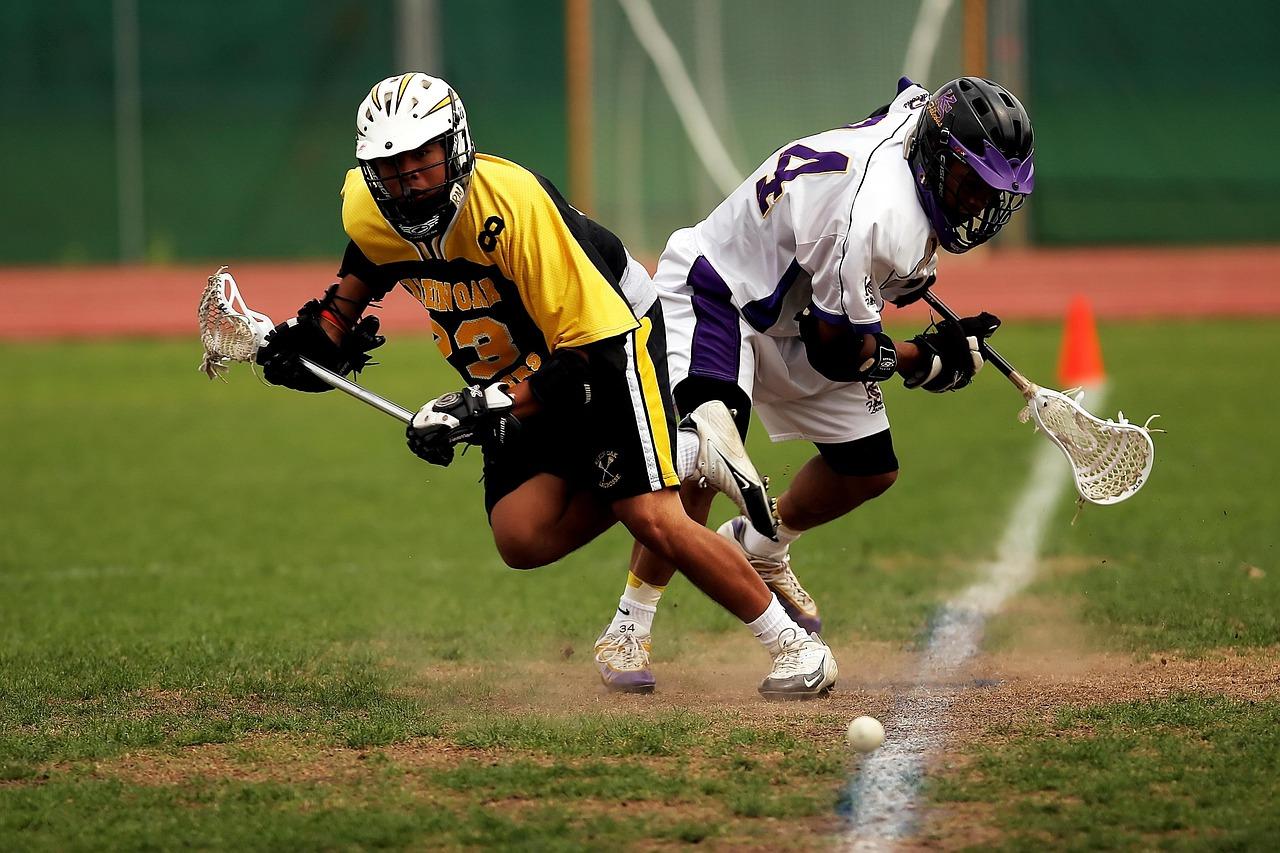
El-Sayed's time in Britain was not confined to political commentary. At Oxford he captained the university's lacrosse team against Cambridge, a match in which he received a yellow card.

His final contribution to the Guardian appeared in January 2011. There, identifying himself as the son of Egyptian immigrants to the US, he took Barack Obama to task over the Arab spring, pressing the president to back the "freedom fighters" standing up against Egypt's Hosni Mubarak. He wrote: "When I helped elect you into office as the 44th president of the United States of America, I believed I was doing a service by my country".

He returned to the US later that year, in 2011, after completing his doctorate in public health.

04 / ELECTIONS

From Britain's observer to Michigan's winner

Fifteen years after envying British democracy, El-Sayed fought a campaign of a distinctly American kind. He faced a barrage of racism and Islamophobia on the trail, and his victory on Tuesday became one of the standout headlines of the midterm poll.

Donald Trump mocked his name, called him a "jihadist lunatic" and said the Senate would need a special metal detector for him. He was also denounced at the last minute by Haley Stevens, the Democrat congresswoman he narrowly defeated for the nomination, who sensationally endorsed his Republican rival.

The campaign had its own visual identity, too: a uniform of tight black T-shirts, a look described by the BBC's North America editor Sarah Smith as "jacked".

The man who once said he wanted zero British votes is now headed to Washington. After being sworn in by JD Vance in January, El-Sayed has said, in an oft-repeated campaign quip aimed at Trump, that the president can call him senator.


From Oxford lacrosse to the Senate: Abdul El-Sayed's British backstory
WORLD · ELECTIONS

From Oxford lacrosse to the Senate: Abdul El-Sayed's British backstory

Abdul El-Sayed, elected US senator for Michigan in this week's midterm elections, went viral after telling Sky News's James Matthews he wanted zero votes in the UK - despite once writing for the Guardian that British democracy was superior.

By LiveDigestPublished Saturday, November 7, 2026 · 02:57 GMT | 4 min read

From Oxford lacrosse to the Senate: Abdul El-Sayed's British backstory

01 / ELECTIONS

The clip that went viral

Before his election as senator for Michigan, Abdul El-Sayed had a heated encounter with Sky News journalist James Matthews that rapidly spread across social media. In the exchange, El-Sayed asked Matthews: "Why would I care to have a conversation with you?" while placing both hands on the reporter's shoulders.

He went further, saying: "You know how many votes I want to get in the UK? Zero." El-Sayed said he would never run for office there. The clip has since been viewed more than 13 million times on X.

02 / ELECTIONS

A Guardian article from 2010

That dismissal sits awkwardly against his own writing. In April 2010, El-Sayed published an article in the Guardian declaring that UK democracy had the upper hand on the American version. He was then a 25-year-old doctoral student at Oxford University, and had just attended a Labour party hustings in Bethnal Green and Bow, east London, held to choose a parliamentary candidate.

The meeting persuaded him that the UK's electoral system was in some respects superior, leaving him, by his own account, envious of the British way of doing things. He described the event this way:

His reasons were laid out in the article:

  • As an Arab-American, he wrote, the likelihood of ever voting for an Arab-American national candidate in his lifetime was minimal.
  • Smaller British constituencies, compared with US electoral districts, meant minority groups could more easily make their voices heard.
  • More parties competed in Britain, making elections "a community exercise in cohesiveness and solidarity, antithetical to the American electoral climate".
  • British voters focused on local concerns rather than being distracted by electing a head of state.

He even joked in the piece about whether the British would let him take part, asking what the odds were they would allow an American to cast his vote on 6 May.

"a ceremony in communal self-determination that I have yet to see in any federal American electoral institution"
03 / ELECTIONS

Oxford years and the return home

El-Sayed's time in Britain was not confined to political commentary. At Oxford he captained the university's lacrosse team against Cambridge, a match in which he received a yellow card.

His final contribution to the Guardian appeared in January 2011. There, identifying himself as the son of Egyptian immigrants to the US, he took Barack Obama to task over the Arab spring, pressing the president to back the "freedom fighters" standing up against Egypt's Hosni Mubarak. He wrote: "When I helped elect you into office as the 44th president of the United States of America, I believed I was doing a service by my country".

He returned to the US later that year, in 2011, after completing his doctorate in public health.

04 / ELECTIONS

From Britain's observer to Michigan's winner

Fifteen years after envying British democracy, El-Sayed fought a campaign of a distinctly American kind. He faced a barrage of racism and Islamophobia on the trail, and his victory on Tuesday became one of the standout headlines of the midterm poll.

Donald Trump mocked his name, called him a "jihadist lunatic" and said the Senate would need a special metal detector for him. He was also denounced at the last minute by Haley Stevens, the Democrat congresswoman he narrowly defeated for the nomination, who sensationally endorsed his Republican rival.

The campaign had its own visual identity, too: a uniform of tight black T-shirts, a look described by the BBC's North America editor Sarah Smith as "jacked".

The man who once said he wanted zero British votes is now headed to Washington. After being sworn in by JD Vance in January, El-Sayed has said, in an oft-repeated campaign quip aimed at Trump, that the president can call him senator.

From Oxford lacrosse to the Senate: Abdul El-Sayed's British backstory
WORLD · ELECTIONS

From Oxford lacrosse to the Senate: Abdul El-Sayed's British backstory

By LiveDigest

From Oxford lacrosse to the Senate: Abdul El-Sayed's British backstory

01 / ELECTIONS

The clip that went viral

Before his election as senator for Michigan, Abdul El-Sayed had a heated encounter with Sky News journalist James Matthews that rapidly spread across social media. In the exchange, El-Sayed asked Matthews: "Why would I care to have a conversation with you?" while placing both hands on the reporter's shoulders.

He went further, saying: "You know how many votes I want to get in the UK? Zero." El-Sayed said he would never run for office there. The clip has since been viewed more than 13 million times on X.

02 / ELECTIONS

A Guardian article from 2010

That dismissal sits awkwardly against his own writing. In April 2010, El-Sayed published an article in the Guardian declaring that UK democracy had the upper hand on the American version. He was then a 25-year-old doctoral student at Oxford University, and had just attended a Labour party hustings in Bethnal Green and Bow, east London, held to choose a parliamentary candidate.

The meeting persuaded him that the UK's electoral system was in some respects superior, leaving him, by his own account, envious of the British way of doing things. He described the event this way:

His reasons were laid out in the article:

  • As an Arab-American, he wrote, the likelihood of ever voting for an Arab-American national candidate in his lifetime was minimal.
  • Smaller British constituencies, compared with US electoral districts, meant minority groups could more easily make their voices heard.
  • More parties competed in Britain, making elections "a community exercise in cohesiveness and solidarity, antithetical to the American electoral climate".
  • British voters focused on local concerns rather than being distracted by electing a head of state.

He even joked in the piece about whether the British would let him take part, asking what the odds were they would allow an American to cast his vote on 6 May.

"a ceremony in communal self-determination that I have yet to see in any federal American electoral institution"
03 / ELECTIONS

Oxford years and the return home

El-Sayed's time in Britain was not confined to political commentary. At Oxford he captained the university's lacrosse team against Cambridge, a match in which he received a yellow card.

His final contribution to the Guardian appeared in January 2011. There, identifying himself as the son of Egyptian immigrants to the US, he took Barack Obama to task over the Arab spring, pressing the president to back the "freedom fighters" standing up against Egypt's Hosni Mubarak. He wrote: "When I helped elect you into office as the 44th president of the United States of America, I believed I was doing a service by my country".

He returned to the US later that year, in 2011, after completing his doctorate in public health.

04 / ELECTIONS

From Britain's observer to Michigan's winner

Fifteen years after envying British democracy, El-Sayed fought a campaign of a distinctly American kind. He faced a barrage of racism and Islamophobia on the trail, and his victory on Tuesday became one of the standout headlines of the midterm poll.

Donald Trump mocked his name, called him a "jihadist lunatic" and said the Senate would need a special metal detector for him. He was also denounced at the last minute by Haley Stevens, the Democrat congresswoman he narrowly defeated for the nomination, who sensationally endorsed his Republican rival.

The campaign had its own visual identity, too: a uniform of tight black T-shirts, a look described by the BBC's North America editor Sarah Smith as "jacked".

The man who once said he wanted zero British votes is now headed to Washington. After being sworn in by JD Vance in January, El-Sayed has said, in an oft-repeated campaign quip aimed at Trump, that the president can call him senator.