SpaceX Starship launch test ends with first catch of upper stage
TECHNOLOGY · CLEAN ENERGY

SpaceX Starship launch test ends with first catch of upper stage

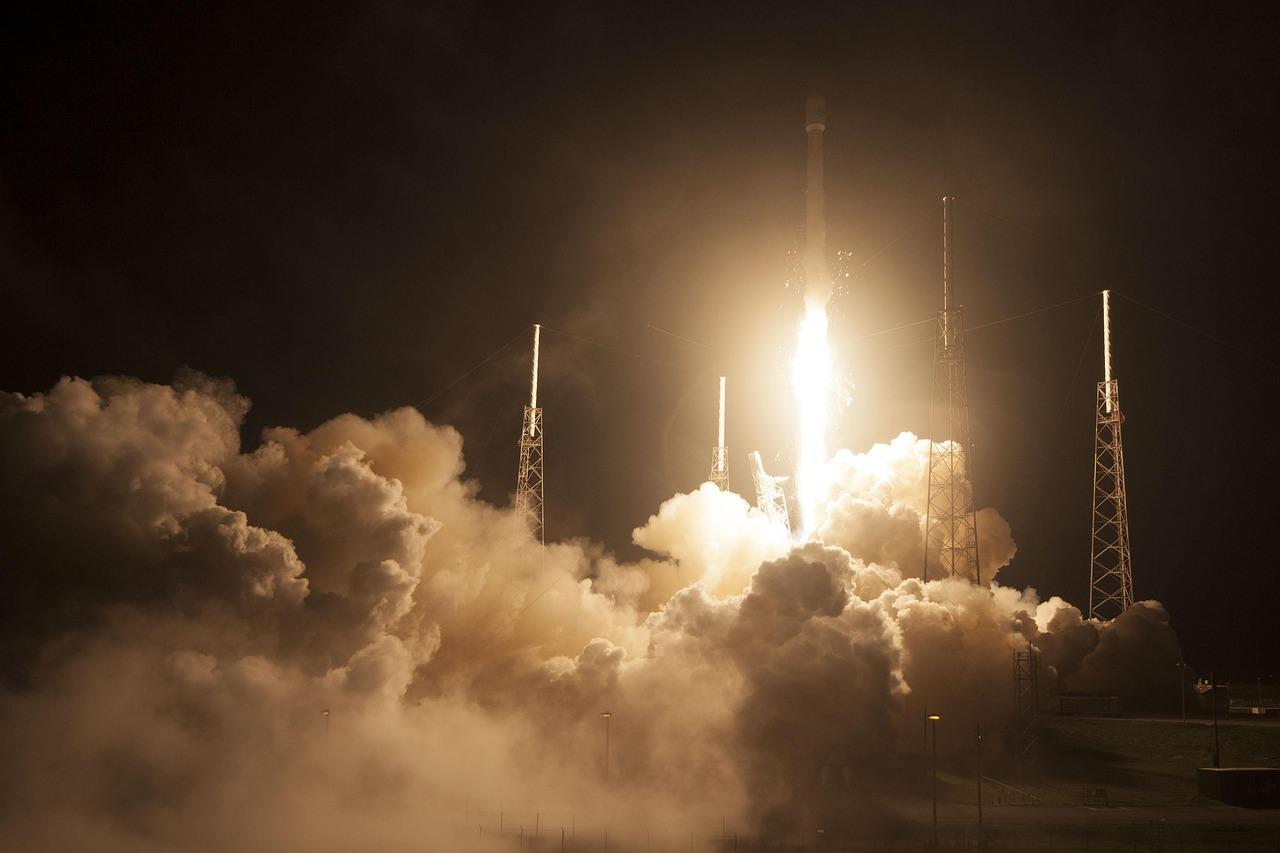
A SpaceX starship launch ended on Saturday with the mechanical arms of the company's Texas tower catching the 171-foot upper stage for the first time, closing a 22-hour test flight that circled Earth 14 times.

By LiveDigestPublished Sunday, November 15, 2026 · 05:16 GMT | 3 min read

SpaceX Starship launch test ends with first catch of upper stage

01 / CLEAN ENERGY

A first for the upper stage

The starship launch test that ended on Saturday marked a milestone for SpaceX: the mechanical arms of its Texas launch tower caught the bullet-shaped upper stage, 171ft (52 meters) tall, the first time the company has recovered the craft. It came on the rocket's 15th test flight, which was only the second time Starship entered Earth's orbit, closing out a 22-hour mission in which the craft circled the planet 14 times.

02 / CLEAN ENERGY

The booster did not make it back

The 15th flight had been planned as a double-catch mission in which all parts of the rocket would return intact to the launch site. That half of the plan fell apart on Friday, when the Super Heavy booster diverted a few minutes after takeoff and exploded in the Gulf of Mexico. The guidance, navigation and control (GNC) system triggered the no-go.

  • The flight was set up as a double-catch, returning every part of the rocket intact
  • The Super Heavy booster diverted minutes after takeoff and exploded in the Gulf of Mexico
  • The GNC system called off the booster catch
03 / CLEAN ENERGY

Why the booster aborted

SpaceX spokesperson Dan Huot said early on Saturday that the GNC system did what it was meant to do by detecting the booster was out of position for a catch.

"It was doing what it was supposed to do. Basically, it detected that the booster was not in the place it was supposed to be."

Elon Musk said the booster had been slightly low on fuel.

04 / CLEAN ENERGY

What Starship is flying for

Starship is made up of a lower booster stage called Super Heavy, whose Raptor engines power the orbital ascent, and an upper stage also called Starship. During the recent flight it deployed 26 Starlink V3 satellites.

For its effort to put people back on the moon by 2028, Nasa has turned to two companies under contract: Musk's SpaceX and Blue Origin, founded by Jeff Bezos. Nasa administrator Jared Isaacman praised the flight on X, writing "Making more believers by the day" and "One step closer to [the moon]".

Musk has sought to make Starship rapidly reusable so it can land and take off much like standard airplanes, cutting the costs of space travel, and has pushed a plan of carrying humans to Mars beyond another Moon landing. On a recent earnings call he said SpaceX plans to ramp up its Starship test flights to a weekly, then twice-weekly cadence.


SpaceX Starship launch test ends with first catch of upper stage
TECHNOLOGY · CLEAN ENERGY

SpaceX Starship launch test ends with first catch of upper stage

A SpaceX starship launch ended on Saturday with the mechanical arms of the company's Texas tower catching the 171-foot upper stage for the first time, closing a 22-hour test flight that circled Earth 14 times.

By LiveDigestPublished Sunday, November 15, 2026 · 05:16 GMT | 3 min read

SpaceX Starship launch test ends with first catch of upper stage

01 / CLEAN ENERGY

A first for the upper stage

The starship launch test that ended on Saturday marked a milestone for SpaceX: the mechanical arms of its Texas launch tower caught the bullet-shaped upper stage, 171ft (52 meters) tall, the first time the company has recovered the craft. It came on the rocket's 15th test flight, which was only the second time Starship entered Earth's orbit, closing out a 22-hour mission in which the craft circled the planet 14 times.

02 / CLEAN ENERGY

The booster did not make it back

The 15th flight had been planned as a double-catch mission in which all parts of the rocket would return intact to the launch site. That half of the plan fell apart on Friday, when the Super Heavy booster diverted a few minutes after takeoff and exploded in the Gulf of Mexico. The guidance, navigation and control (GNC) system triggered the no-go.

  • The flight was set up as a double-catch, returning every part of the rocket intact
  • The Super Heavy booster diverted minutes after takeoff and exploded in the Gulf of Mexico
  • The GNC system called off the booster catch
03 / CLEAN ENERGY

Why the booster aborted

SpaceX spokesperson Dan Huot said early on Saturday that the GNC system did what it was meant to do by detecting the booster was out of position for a catch.

Elon Musk said the booster had been slightly low on fuel.

"It was doing what it was supposed to do. Basically, it detected that the booster was not in the place it was supposed to be."
04 / CLEAN ENERGY

What Starship is flying for

Starship is made up of a lower booster stage called Super Heavy, whose Raptor engines power the orbital ascent, and an upper stage also called Starship. During the recent flight it deployed 26 Starlink V3 satellites.

For its effort to put people back on the moon by 2028, Nasa has turned to two companies under contract: Musk's SpaceX and Blue Origin, founded by Jeff Bezos. Nasa administrator Jared Isaacman praised the flight on X, writing "Making more believers by the day" and "One step closer to [the moon]".

Musk has sought to make Starship rapidly reusable so it can land and take off much like standard airplanes, cutting the costs of space travel, and has pushed a plan of carrying humans to Mars beyond another Moon landing. On a recent earnings call he said SpaceX plans to ramp up its Starship test flights to a weekly, then twice-weekly cadence.

SpaceX Starship launch test ends with first catch of upper stage
TECHNOLOGY · CLEAN ENERGY

SpaceX Starship launch test ends with first catch of upper stage

By LiveDigest

SpaceX Starship launch test ends with first catch of upper stage

01 / CLEAN ENERGY

A first for the upper stage

The starship launch test that ended on Saturday marked a milestone for SpaceX: the mechanical arms of its Texas launch tower caught the bullet-shaped upper stage, 171ft (52 meters) tall, the first time the company has recovered the craft. It came on the rocket's 15th test flight, which was only the second time Starship entered Earth's orbit, closing out a 22-hour mission in which the craft circled the planet 14 times.

02 / CLEAN ENERGY

The booster did not make it back

The 15th flight had been planned as a double-catch mission in which all parts of the rocket would return intact to the launch site. That half of the plan fell apart on Friday, when the Super Heavy booster diverted a few minutes after takeoff and exploded in the Gulf of Mexico. The guidance, navigation and control (GNC) system triggered the no-go.

  • The flight was set up as a double-catch, returning every part of the rocket intact
  • The Super Heavy booster diverted minutes after takeoff and exploded in the Gulf of Mexico
  • The GNC system called off the booster catch
03 / CLEAN ENERGY

Why the booster aborted

SpaceX spokesperson Dan Huot said early on Saturday that the GNC system did what it was meant to do by detecting the booster was out of position for a catch.

Elon Musk said the booster had been slightly low on fuel.

"It was doing what it was supposed to do. Basically, it detected that the booster was not in the place it was supposed to be."
04 / CLEAN ENERGY

What Starship is flying for

Starship is made up of a lower booster stage called Super Heavy, whose Raptor engines power the orbital ascent, and an upper stage also called Starship. During the recent flight it deployed 26 Starlink V3 satellites.

For its effort to put people back on the moon by 2028, Nasa has turned to two companies under contract: Musk's SpaceX and Blue Origin, founded by Jeff Bezos. Nasa administrator Jared Isaacman praised the flight on X, writing "Making more believers by the day" and "One step closer to [the moon]".

Musk has sought to make Starship rapidly reusable so it can land and take off much like standard airplanes, cutting the costs of space travel, and has pushed a plan of carrying humans to Mars beyond another Moon landing. On a recent earnings call he said SpaceX plans to ramp up its Starship test flights to a weekly, then twice-weekly cadence.