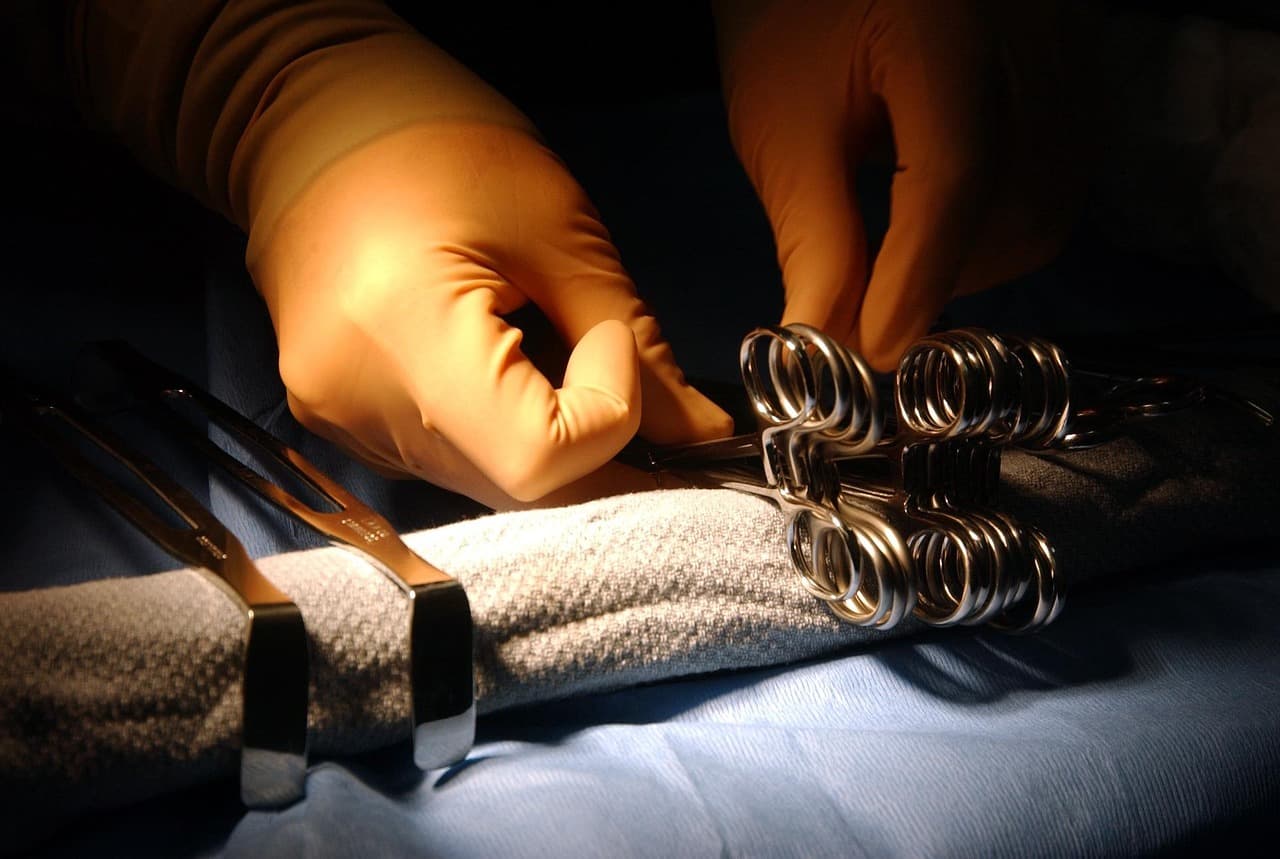
Florida surgeon performs first telerobotic surgery in US, removing prostate from 35 miles away
TECHNOLOGY · TECHNOLOGY POLICY

Florida surgeon performs first telerobotic surgery in US, removing prostate from 35 miles away

Dr Vipul Patel performed the first telerobotic surgery in US hospitals on Sunday, removing the prostate of a 66-year-old cancer patient who was 35 miles away, at an AdventHealth facility in Minneola, Florida, while he operated from Celebration.

By LiveDigestPublished Tuesday, October 27, 2026 · 17:45 GMT | 3 min read

Florida surgeon performs first telerobotic surgery in US, removing prostate from 35 miles away

01 / TECHNOLOGY POLICY

Who performed the procedure and where the patient was

Dr Vipul Patel, founder and medical director of the Global Robotics Institute at AdventHealth Celebration in suburban Orlando, carried out the operation on Sunday, removing the prostate of a man with cancer from 35 miles away in what is described as the first telerobotic surgery in US linking two hospitals.

The patient, a 66-year-old prostate cancer patient identified as Mark, volunteered for a clinical study of a robotic telesurgery system and underwent an investigational robotic prostatectomy. He was at an AdventHealth facility in Minneola, Florida, while Patel operated remotely from an AdventHealth facility in Celebration.

02 / TECHNOLOGY POLICY

The study behind the surgery

The operation took place under a clinical research study authorized by an FDA investigational device exemption. Such an authorization permits the system to be studied but does not constitute FDA approval or clearance.

The Minneola procedure followed earlier work under the same study:

  • 10 investigational telesurgeries were performed between Orlando, Florida, and Luanda, Angola
  • The Sunday operation marked the study's expansion into US hospitals
03 / TECHNOLOGY POLICY

What Patel says about access to care

In a statement, Patel pointed to geography as a longstanding obstacle for patients needing specialized surgery: "For generations, access to highly specialized care has often depended on where a patient lives," he said. "This study allows us to evaluate whether telesurgery could one day help reduce geographic barriers to specialized treatment".

AdventHealth said no previous reports had documented a telesurgery procedure between two US locations, but cautioned that the surgery did not establish the technology's general clinical performance.

04 / TECHNOLOGY POLICY

Risks and how the patient is doing

Robotic prostatectomy carries risks including bleeding, infection, incontinence and erectile dysfunction, and possible switching to open surgery. Telesurgery adds the possibility of equipment or connection failures and cybersecurity threats, which makes an on-site team essential to take over if needed - surgeon Marcio Moschovas, a study co-principal investigator, provided onsite support during the procedure, according to an AdventHealth news release.

The approach has precedent abroad: months earlier, a surgeon in London used a four-armed robot with a 3D camera to remove a man's prostate in Gibraltar, about 1,500 miles away, with a lag of just 0.06 seconds between the surgeon's movements and the robot's response.

Researchers are still evaluating telesurgery's safety, reliability and cybersecurity as the study continues. AdventHealth told ABC that Mark was recovering well after the procedure.


Florida surgeon performs first telerobotic surgery in US, removing prostate from 35 miles away
TECHNOLOGY · TECHNOLOGY POLICY

Florida surgeon performs first telerobotic surgery in US, removing prostate from 35 miles away

Dr Vipul Patel performed the first telerobotic surgery in US hospitals on Sunday, removing the prostate of a 66-year-old cancer patient who was 35 miles away, at an AdventHealth facility in Minneola, Florida, while he operated from Celebration.

By LiveDigestPublished Tuesday, October 27, 2026 · 17:45 GMT | 3 min read

Florida surgeon performs first telerobotic surgery in US, removing prostate from 35 miles away

01 / TECHNOLOGY POLICY

Who performed the procedure and where the patient was

Dr Vipul Patel, founder and medical director of the Global Robotics Institute at AdventHealth Celebration in suburban Orlando, carried out the operation on Sunday, removing the prostate of a man with cancer from 35 miles away in what is described as the first telerobotic surgery in US linking two hospitals.

The patient, a 66-year-old prostate cancer patient identified as Mark, volunteered for a clinical study of a robotic telesurgery system and underwent an investigational robotic prostatectomy. He was at an AdventHealth facility in Minneola, Florida, while Patel operated remotely from an AdventHealth facility in Celebration.

02 / TECHNOLOGY POLICY

The study behind the surgery

The operation took place under a clinical research study authorized by an FDA investigational device exemption. Such an authorization permits the system to be studied but does not constitute FDA approval or clearance.

The Minneola procedure followed earlier work under the same study:

  • 10 investigational telesurgeries were performed between Orlando, Florida, and Luanda, Angola
  • The Sunday operation marked the study's expansion into US hospitals
03 / TECHNOLOGY POLICY

What Patel says about access to care

In a statement, Patel pointed to geography as a longstanding obstacle for patients needing specialized surgery: "For generations, access to highly specialized care has often depended on where a patient lives," he said. "This study allows us to evaluate whether telesurgery could one day help reduce geographic barriers to specialized treatment".

AdventHealth said no previous reports had documented a telesurgery procedure between two US locations, but cautioned that the surgery did not establish the technology's general clinical performance.

04 / TECHNOLOGY POLICY

Risks and how the patient is doing

Robotic prostatectomy carries risks including bleeding, infection, incontinence and erectile dysfunction, and possible switching to open surgery. Telesurgery adds the possibility of equipment or connection failures and cybersecurity threats, which makes an on-site team essential to take over if needed - surgeon Marcio Moschovas, a study co-principal investigator, provided onsite support during the procedure, according to an AdventHealth news release.

The approach has precedent abroad: months earlier, a surgeon in London used a four-armed robot with a 3D camera to remove a man's prostate in Gibraltar, about 1,500 miles away, with a lag of just 0.06 seconds between the surgeon's movements and the robot's response.

Researchers are still evaluating telesurgery's safety, reliability and cybersecurity as the study continues. AdventHealth told ABC that Mark was recovering well after the procedure.

Florida surgeon performs first telerobotic surgery in US, removing prostate from 35 miles away
TECHNOLOGY · TECHNOLOGY POLICY

Florida surgeon performs first telerobotic surgery in US, removing prostate from 35 miles away

By LiveDigest

Florida surgeon performs first telerobotic surgery in US, removing prostate from 35 miles away

01 / TECHNOLOGY POLICY

Who performed the procedure and where the patient was

Dr Vipul Patel, founder and medical director of the Global Robotics Institute at AdventHealth Celebration in suburban Orlando, carried out the operation on Sunday, removing the prostate of a man with cancer from 35 miles away in what is described as the first telerobotic surgery in US linking two hospitals.

The patient, a 66-year-old prostate cancer patient identified as Mark, volunteered for a clinical study of a robotic telesurgery system and underwent an investigational robotic prostatectomy. He was at an AdventHealth facility in Minneola, Florida, while Patel operated remotely from an AdventHealth facility in Celebration.

02 / TECHNOLOGY POLICY

The study behind the surgery

The operation took place under a clinical research study authorized by an FDA investigational device exemption. Such an authorization permits the system to be studied but does not constitute FDA approval or clearance.

The Minneola procedure followed earlier work under the same study:

  • 10 investigational telesurgeries were performed between Orlando, Florida, and Luanda, Angola
  • The Sunday operation marked the study's expansion into US hospitals
03 / TECHNOLOGY POLICY

What Patel says about access to care

In a statement, Patel pointed to geography as a longstanding obstacle for patients needing specialized surgery: "For generations, access to highly specialized care has often depended on where a patient lives," he said. "This study allows us to evaluate whether telesurgery could one day help reduce geographic barriers to specialized treatment".

AdventHealth said no previous reports had documented a telesurgery procedure between two US locations, but cautioned that the surgery did not establish the technology's general clinical performance.

04 / TECHNOLOGY POLICY

Risks and how the patient is doing

Robotic prostatectomy carries risks including bleeding, infection, incontinence and erectile dysfunction, and possible switching to open surgery. Telesurgery adds the possibility of equipment or connection failures and cybersecurity threats, which makes an on-site team essential to take over if needed - surgeon Marcio Moschovas, a study co-principal investigator, provided onsite support during the procedure, according to an AdventHealth news release.

The approach has precedent abroad: months earlier, a surgeon in London used a four-armed robot with a 3D camera to remove a man's prostate in Gibraltar, about 1,500 miles away, with a lag of just 0.06 seconds between the surgeon's movements and the robot's response.

Researchers are still evaluating telesurgery's safety, reliability and cybersecurity as the study continues. AdventHealth told ABC that Mark was recovering well after the procedure.