EV battery supply chain deforestation: VW, Ford and Tesla batteries linked to nickel from cleared indigenous lands in Sulawesi
TECHNOLOGY · CLEAN ENERGY

EV battery supply chain deforestation: VW, Ford and Tesla batteries linked to nickel from cleared indigenous lands in Sulawesi

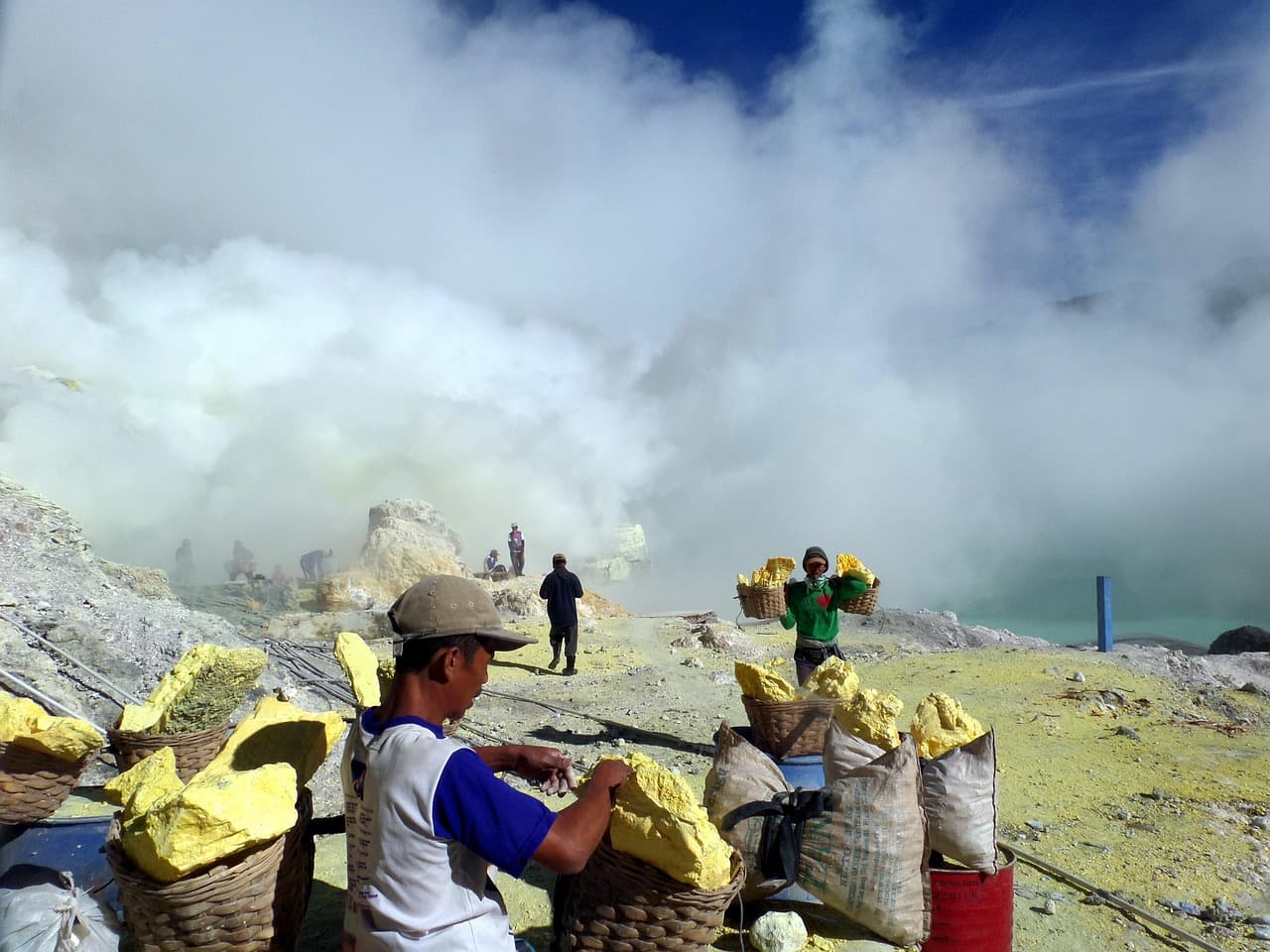
An investigation found that batteries made by Volkswagen, Ford and Tesla may contain nickel mined on deforested indigenous land in Sulawesi, Indonesia, which holds the world's largest nickel deposits. Satellite analysis links the Cahaya and Hengjaya mines to widespread loss of primary rainforest on land of the indigenous Tolaki people.

By LiveDigestPublished Friday, October 16, 2026 · 19:44 GMT | 5 min read

EV battery supply chain deforestation: VW, Ford and Tesla batteries linked to nickel from cleared indigenous lands in Sulawesi

01 / CLEAN ENERGY

From rainforest to battery cathode

The investigation traced ore from two Indonesian concessions, Cahaya and Hengjaya, through regional smelters and Chinese processing plants run by Zhejiang Huayou Cobalt, a cathode maker that supplies CATL, the world's largest battery maker. Nickel is widely used in cathodes for car batteries because it boosts energy density and increases range.

  • Ore from both concessions goes to a nickel smelter in an industrial complex in Morowali, on Indonesia's eastern coast, operated by Huayou's local subsidiary, where limonite is refined into mixed hydroxide precipitate.
  • In 2024, mixed hydroxide precipitate worth $606m left the Morowali plant for ports in China; further shipments worth $470m followed in 2025.
  • Inside China, the refined material travelled by road to two Huayou cathode plants: one in Quzhou, close to Shanghai, the other in Yulin, close to the Vietnamese frontier.

When the Shanghai Stock Exchange queried the company in 2024, Huayou stated at group level that it supplies CATL; Chengdu B&M, a Huayou subsidiary, likewise confirmed selling "large quantities" to CATL. A second route carries Huayou material to LG, a South Korean group that also supplies battery products to leading carmakers, via Poland.

02 / CLEAN ENERGY

Forest loss and sanctions at the mines

Satellite analysis shows the mines have caused widespread deforestation of primary rainforest in nickel-rich lands inhabited by the indigenous Tolaki people. The geospatial firm TreeMap estimates that nickel mining caused two-thirds of the forest loss recorded since 2001 within the area encompassed by the Cahaya concession, and over half of the loss in the Hengjaya concession. Wadimula, a Tolaki elder living beside the 21,000-hectare Cahaya concession, said of the forest:

Destroying it means destroying our own life.
  • Indonesian nonprofit Auriga found that operator Sulawesi Cahaya Mineral contributed to clearing an additional 330 hectares of forest in 2024.
  • Almost everything SCM mined in 2024 - 11m tonnes of limonite ore - went to Huayou's smelter, and its shipments reached nearly 12.5m tonnes in 2025.
  • Last year brought SCM two administrative sanctions, issued after it was found to have cleared more than 450 hectares of forest outside the area its permits covered.
  • The company is part of Merdeka Battery Materials, whose shareholder ranks include both Huayou and CATL.

The Cahaya and Hengjaya mines sit in "production forest" designated for forestry, but as demand for nickel has risen, successive Indonesian governments have weakened safeguards and carved out exemptions for miners.

03 / CLEAN ENERGY

Carmakers respond

Eight carmakers were drawn into the findings: Volkswagen, Volvo, Ford, General Motors, Tesla, BMW, Stellantis and Hyundai - either as buyers of Huayou cathodes or as companies taking CATL deliveries - while Mercedes-Benz was separately linked to Huayou. Most companies said they did not source nickel directly, assessed impacts and required supplier compliance, but declined to share the results of on-site audits.

  • Volkswagen, which ran one in four of its vehicles on CATL systems in 2024, said the firms could not be excluded from its supply chain, adding: "We take potential risks in our supply chain very seriously. However, due to contractual obligations with our business partners, we cannot disclose specific details"
  • Ford said it was committed to protecting human rights and the environment, stating: "We are reviewing the allegations and will determine any appropriate next steps based on that review."
  • Mercedes-Benz said it takes reports of environmental and social harm in raw material supply chains, including nickel from Indonesia, seriously and assesses them in risk-based due diligence.
  • Renault Group said it had traced a Sulawesi nickel mining site into its battery supply chain as a tier-n supplier and was working with partners to check ESG information on Sulawesi Cahaya Mineral.
  • Volvo Cars said it conducted on-site audits of battery supply chain suppliers in 2025, two of them in Indonesia, with further partners during 2026 and onward.
  • General Motors said it was aware that nickel mining in Indonesia presents significant environmental, human-rights and community-related risks.
  • Stellantis said it was aware of the environmental and social challenges associated with nickel production in Indonesia, including risks related to deforestation, biodiversity loss and ecosystem degradation.
  • Hyundai said it recognises the importance of protecting forests, biodiversity and local communities and keeps its mineral suppliers under regular monitoring and assessment.

CATL, Huayou, SCM and Tesla did not respond to requests for comment, and neither did Tsingshan, the main shareholder of Hengjaya operator Nickel Industries. The investigation was published in partnership with Voxeurop and other European media partners and supported by Journalismfund Europe and The Pulitzer Center.

04 / CLEAN ENERGY

Demand keeps climbing

The pressure on Indonesian nickel is set to grow. According to the International Energy Agency, worldwide demand for the metal is on course to double, reaching 5.5m tonnes by 2040, with much of it mined in Indonesia and refined in China. And the environmental cost of extraction may be underestimated: a study published last year in Nature Communications concluded that nickel drawn from the worst-performing mines can carry a carbon footprint up to 500 times the earlier estimates.

  • A 2023 report found that lithium demand in the US transport sector could be reduced by 18% to 66% compared with business as usual through public transport, walking, cycling and smaller cars, while better recycling could bring demand reductions as high as 92%.
  • Environmental groups warn that a failure to curb the boom of material-hungry SUVs is exacerbating the destruction by increasing the quantity of minerals mined.

The latest status: CATL, Huayou, SCM and Tesla did not respond to requests for comment, and Ford said it is reviewing the allegations before deciding any next steps.

Continue reading

More from Technology.

EV battery supply chain deforestation: VW, Ford and Tesla batteries linked to nickel from cleared indigenous lands in Sulawesi
TECHNOLOGY · CLEAN ENERGY

EV battery supply chain deforestation: VW, Ford and Tesla batteries linked to nickel from cleared indigenous lands in Sulawesi

An investigation found that batteries made by Volkswagen, Ford and Tesla may contain nickel mined on deforested indigenous land in Sulawesi, Indonesia, which holds the world's largest nickel deposits. Satellite analysis links the Cahaya and Hengjaya mines to widespread loss of primary rainforest on land of the indigenous Tolaki people.

By LiveDigestPublished Friday, October 16, 2026 · 19:44 GMT | 5 min read

EV battery supply chain deforestation: VW, Ford and Tesla batteries linked to nickel from cleared indigenous lands in Sulawesi

01 / CLEAN ENERGY

From rainforest to battery cathode

The investigation traced ore from two Indonesian concessions, Cahaya and Hengjaya, through regional smelters and Chinese processing plants run by Zhejiang Huayou Cobalt, a cathode maker that supplies CATL, the world's largest battery maker. Nickel is widely used in cathodes for car batteries because it boosts energy density and increases range.

  • Ore from both concessions goes to a nickel smelter in an industrial complex in Morowali, on Indonesia's eastern coast, operated by Huayou's local subsidiary, where limonite is refined into mixed hydroxide precipitate.
  • In 2024, mixed hydroxide precipitate worth $606m left the Morowali plant for ports in China; further shipments worth $470m followed in 2025.
  • Inside China, the refined material travelled by road to two Huayou cathode plants: one in Quzhou, close to Shanghai, the other in Yulin, close to the Vietnamese frontier.

When the Shanghai Stock Exchange queried the company in 2024, Huayou stated at group level that it supplies CATL; Chengdu B&M, a Huayou subsidiary, likewise confirmed selling "large quantities" to CATL. A second route carries Huayou material to LG, a South Korean group that also supplies battery products to leading carmakers, via Poland.

02 / CLEAN ENERGY

Forest loss and sanctions at the mines

Satellite analysis shows the mines have caused widespread deforestation of primary rainforest in nickel-rich lands inhabited by the indigenous Tolaki people. The geospatial firm TreeMap estimates that nickel mining caused two-thirds of the forest loss recorded since 2001 within the area encompassed by the Cahaya concession, and over half of the loss in the Hengjaya concession. Wadimula, a Tolaki elder living beside the 21,000-hectare Cahaya concession, said of the forest:

  • Indonesian nonprofit Auriga found that operator Sulawesi Cahaya Mineral contributed to clearing an additional 330 hectares of forest in 2024.
  • Almost everything SCM mined in 2024 - 11m tonnes of limonite ore - went to Huayou's smelter, and its shipments reached nearly 12.5m tonnes in 2025.
  • Last year brought SCM two administrative sanctions, issued after it was found to have cleared more than 450 hectares of forest outside the area its permits covered.
  • The company is part of Merdeka Battery Materials, whose shareholder ranks include both Huayou and CATL.

The Cahaya and Hengjaya mines sit in "production forest" designated for forestry, but as demand for nickel has risen, successive Indonesian governments have weakened safeguards and carved out exemptions for miners.

Destroying it means destroying our own life.
03 / CLEAN ENERGY

Carmakers respond

Eight carmakers were drawn into the findings: Volkswagen, Volvo, Ford, General Motors, Tesla, BMW, Stellantis and Hyundai - either as buyers of Huayou cathodes or as companies taking CATL deliveries - while Mercedes-Benz was separately linked to Huayou. Most companies said they did not source nickel directly, assessed impacts and required supplier compliance, but declined to share the results of on-site audits.

  • Volkswagen, which ran one in four of its vehicles on CATL systems in 2024, said the firms could not be excluded from its supply chain, adding: "We take potential risks in our supply chain very seriously. However, due to contractual obligations with our business partners, we cannot disclose specific details"
  • Ford said it was committed to protecting human rights and the environment, stating: "We are reviewing the allegations and will determine any appropriate next steps based on that review."
  • Mercedes-Benz said it takes reports of environmental and social harm in raw material supply chains, including nickel from Indonesia, seriously and assesses them in risk-based due diligence.
  • Renault Group said it had traced a Sulawesi nickel mining site into its battery supply chain as a tier-n supplier and was working with partners to check ESG information on Sulawesi Cahaya Mineral.
  • Volvo Cars said it conducted on-site audits of battery supply chain suppliers in 2025, two of them in Indonesia, with further partners during 2026 and onward.
  • General Motors said it was aware that nickel mining in Indonesia presents significant environmental, human-rights and community-related risks.
  • Stellantis said it was aware of the environmental and social challenges associated with nickel production in Indonesia, including risks related to deforestation, biodiversity loss and ecosystem degradation.
  • Hyundai said it recognises the importance of protecting forests, biodiversity and local communities and keeps its mineral suppliers under regular monitoring and assessment.

CATL, Huayou, SCM and Tesla did not respond to requests for comment, and neither did Tsingshan, the main shareholder of Hengjaya operator Nickel Industries. The investigation was published in partnership with Voxeurop and other European media partners and supported by Journalismfund Europe and The Pulitzer Center.

04 / CLEAN ENERGY

Demand keeps climbing

The pressure on Indonesian nickel is set to grow. According to the International Energy Agency, worldwide demand for the metal is on course to double, reaching 5.5m tonnes by 2040, with much of it mined in Indonesia and refined in China. And the environmental cost of extraction may be underestimated: a study published last year in Nature Communications concluded that nickel drawn from the worst-performing mines can carry a carbon footprint up to 500 times the earlier estimates.

  • A 2023 report found that lithium demand in the US transport sector could be reduced by 18% to 66% compared with business as usual through public transport, walking, cycling and smaller cars, while better recycling could bring demand reductions as high as 92%.
  • Environmental groups warn that a failure to curb the boom of material-hungry SUVs is exacerbating the destruction by increasing the quantity of minerals mined.

The latest status: CATL, Huayou, SCM and Tesla did not respond to requests for comment, and Ford said it is reviewing the allegations before deciding any next steps.

Continue reading

More from Technology.

EV battery supply chain deforestation: VW, Ford and Tesla batteries linked to nickel from cleared indigenous lands in Sulawesi
TECHNOLOGY · CLEAN ENERGY

EV battery supply chain deforestation: VW, Ford and Tesla batteries linked to nickel from cleared indigenous lands in Sulawesi

By LiveDigest

EV battery supply chain deforestation: VW, Ford and Tesla batteries linked to nickel from cleared indigenous lands in Sulawesi

01 / CLEAN ENERGY

From rainforest to battery cathode

The investigation traced ore from two Indonesian concessions, Cahaya and Hengjaya, through regional smelters and Chinese processing plants run by Zhejiang Huayou Cobalt, a cathode maker that supplies CATL, the world's largest battery maker. Nickel is widely used in cathodes for car batteries because it boosts energy density and increases range.

  • Ore from both concessions goes to a nickel smelter in an industrial complex in Morowali, on Indonesia's eastern coast, operated by Huayou's local subsidiary, where limonite is refined into mixed hydroxide precipitate.
  • In 2024, mixed hydroxide precipitate worth $606m left the Morowali plant for ports in China; further shipments worth $470m followed in 2025.
  • Inside China, the refined material travelled by road to two Huayou cathode plants: one in Quzhou, close to Shanghai, the other in Yulin, close to the Vietnamese frontier.

When the Shanghai Stock Exchange queried the company in 2024, Huayou stated at group level that it supplies CATL; Chengdu B&M, a Huayou subsidiary, likewise confirmed selling "large quantities" to CATL. A second route carries Huayou material to LG, a South Korean group that also supplies battery products to leading carmakers, via Poland.

02 / CLEAN ENERGY

Forest loss and sanctions at the mines

Satellite analysis shows the mines have caused widespread deforestation of primary rainforest in nickel-rich lands inhabited by the indigenous Tolaki people. The geospatial firm TreeMap estimates that nickel mining caused two-thirds of the forest loss recorded since 2001 within the area encompassed by the Cahaya concession, and over half of the loss in the Hengjaya concession. Wadimula, a Tolaki elder living beside the 21,000-hectare Cahaya concession, said of the forest:

  • Indonesian nonprofit Auriga found that operator Sulawesi Cahaya Mineral contributed to clearing an additional 330 hectares of forest in 2024.
  • Almost everything SCM mined in 2024 - 11m tonnes of limonite ore - went to Huayou's smelter, and its shipments reached nearly 12.5m tonnes in 2025.
  • Last year brought SCM two administrative sanctions, issued after it was found to have cleared more than 450 hectares of forest outside the area its permits covered.
  • The company is part of Merdeka Battery Materials, whose shareholder ranks include both Huayou and CATL.

The Cahaya and Hengjaya mines sit in "production forest" designated for forestry, but as demand for nickel has risen, successive Indonesian governments have weakened safeguards and carved out exemptions for miners.

Destroying it means destroying our own life.
03 / CLEAN ENERGY

Carmakers respond

Eight carmakers were drawn into the findings: Volkswagen, Volvo, Ford, General Motors, Tesla, BMW, Stellantis and Hyundai - either as buyers of Huayou cathodes or as companies taking CATL deliveries - while Mercedes-Benz was separately linked to Huayou. Most companies said they did not source nickel directly, assessed impacts and required supplier compliance, but declined to share the results of on-site audits.

  • Volkswagen, which ran one in four of its vehicles on CATL systems in 2024, said the firms could not be excluded from its supply chain, adding: "We take potential risks in our supply chain very seriously. However, due to contractual obligations with our business partners, we cannot disclose specific details"
  • Ford said it was committed to protecting human rights and the environment, stating: "We are reviewing the allegations and will determine any appropriate next steps based on that review."
  • Mercedes-Benz said it takes reports of environmental and social harm in raw material supply chains, including nickel from Indonesia, seriously and assesses them in risk-based due diligence.
  • Renault Group said it had traced a Sulawesi nickel mining site into its battery supply chain as a tier-n supplier and was working with partners to check ESG information on Sulawesi Cahaya Mineral.
  • Volvo Cars said it conducted on-site audits of battery supply chain suppliers in 2025, two of them in Indonesia, with further partners during 2026 and onward.
  • General Motors said it was aware that nickel mining in Indonesia presents significant environmental, human-rights and community-related risks.
  • Stellantis said it was aware of the environmental and social challenges associated with nickel production in Indonesia, including risks related to deforestation, biodiversity loss and ecosystem degradation.
  • Hyundai said it recognises the importance of protecting forests, biodiversity and local communities and keeps its mineral suppliers under regular monitoring and assessment.

CATL, Huayou, SCM and Tesla did not respond to requests for comment, and neither did Tsingshan, the main shareholder of Hengjaya operator Nickel Industries. The investigation was published in partnership with Voxeurop and other European media partners and supported by Journalismfund Europe and The Pulitzer Center.

04 / CLEAN ENERGY

Demand keeps climbing

The pressure on Indonesian nickel is set to grow. According to the International Energy Agency, worldwide demand for the metal is on course to double, reaching 5.5m tonnes by 2040, with much of it mined in Indonesia and refined in China. And the environmental cost of extraction may be underestimated: a study published last year in Nature Communications concluded that nickel drawn from the worst-performing mines can carry a carbon footprint up to 500 times the earlier estimates.

  • A 2023 report found that lithium demand in the US transport sector could be reduced by 18% to 66% compared with business as usual through public transport, walking, cycling and smaller cars, while better recycling could bring demand reductions as high as 92%.
  • Environmental groups warn that a failure to curb the boom of material-hungry SUVs is exacerbating the destruction by increasing the quantity of minerals mined.

The latest status: CATL, Huayou, SCM and Tesla did not respond to requests for comment, and Ford said it is reviewing the allegations before deciding any next steps.

Continue reading

More from Technology.