Datacentre carbon emissions to rise 70% by 2030 as AI drives power demand, IEA warns
TECHNOLOGY · TECHNOLOGY POLICY

Datacentre carbon emissions to rise 70% by 2030 as AI drives power demand, IEA warns

Datacentre carbon emissions are on track to climb 70% by 2030, the International Energy Agency says, as AI growth in the US and China keeps the sector tied to fossil fuels.

By LiveDigestPublished Thursday, November 19, 2026 · 06:08 GMT | 3 min read

Datacentre carbon emissions to rise 70% by 2030 as AI drives power demand, IEA warns

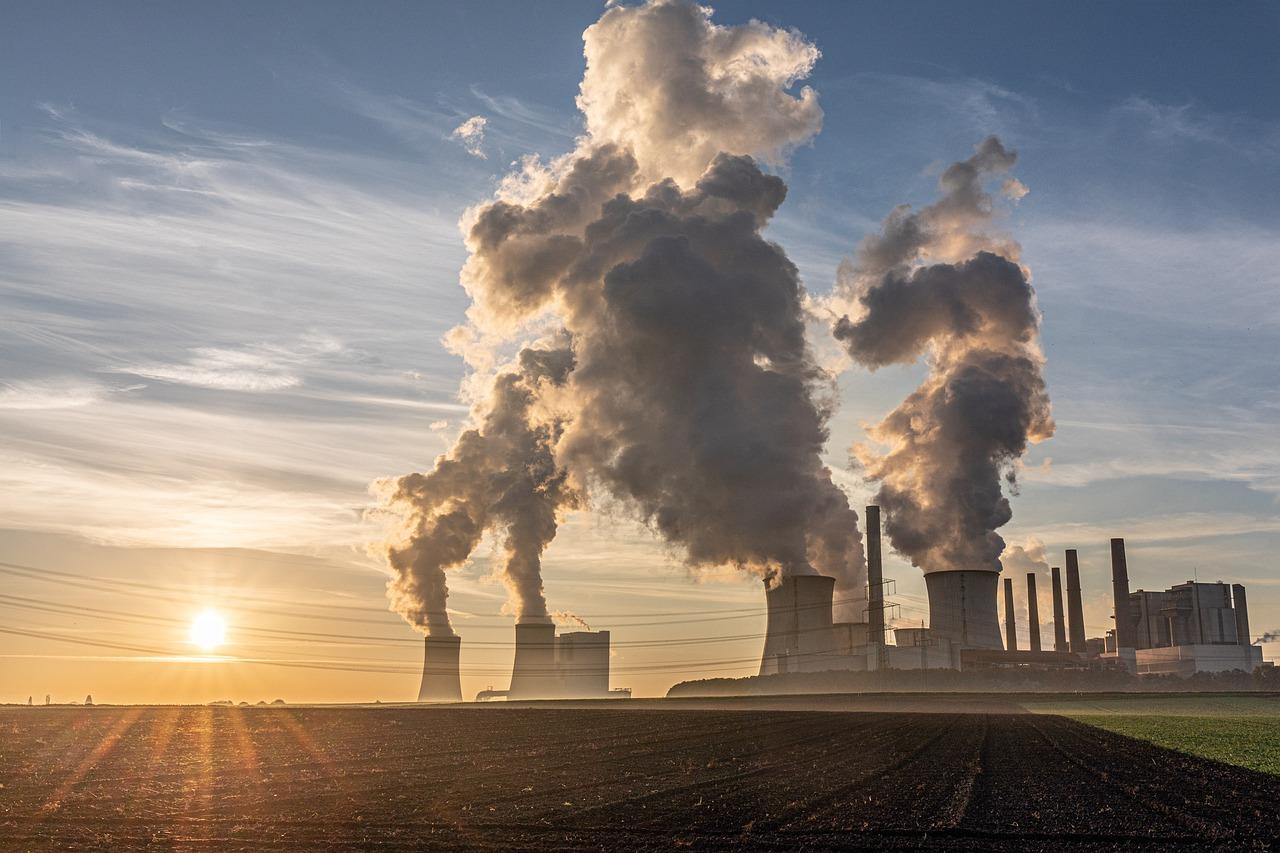
Datacentre carbon emissions will rise 70% by 2030, according to the International Energy Agency, with the US and China leaning on fossil fuels to meet the power needs of artificial intelligence.

01 / TECHNOLOGY POLICY

Electricity demand set to double

The IEA report projects that datacentres will consume twice as much electricity by 2030 compared with today, and the global expansion of artificial intelligence accounts for three-quarters of this growth in datacentre electricity demand.

  • AI datacentres will consume an extra 350 TWh of electricity every year within four years
  • That is more than the annual electricity consumption of Great Britain
02 / TECHNOLOGY POLICY

How the US and China will power AI datacentres

The fuel mix behind the boom differs sharply by country, and it is what pushes emissions upward.

  • In China, around half of the electricity needed for AI datacentres will come from coal power plants by 2030, with most of the rest renewables and smaller amounts of nuclear; gas plays a very small role
  • The US is expected to rely on gas for about 60% of datacentre electricity by 2030
  • In August this year there were plans for about 180GW of new gas-fired power plants linked to US datacentres - nearly as much as the EU's total installed gas capacity

The US gas appetite far outstrips the rest of the world. Canada has plans for 11GW of gas generation to power servers, and the rest of the world just 4GW, making the US figure more than 16 times higher than Canada's. In the EU, by contrast, datacentres are expected to rely on renewables for about 70% of their electricity by 2030, followed by nuclear, gas and a small amount of coal.

03 / TECHNOLOGY POLICY

How the IEA built its forecast

The projections rest on hard evidence rather than projections alone. Annual AI server shipments have climbed eighteen-fold since 2020, and the agency used space-based imagery to track 93 large AI factories.

Global datacentre capacity has climbed tenfold in the last 24 months to 17GW, and completed AI factories are likely to add about 50GW more. Existing capacity now stands at 120GW, with 80% of this capacity in China, the US and the EU; a further 120GW will be built by 2030, three-quarters of it AI datacentres.

04 / TECHNOLOGY POLICY

Renewables and an uncertain energy outlook

Datacentre developers have emerged as the world's biggest corporate buyers of renewable energy. Even so, the IEA said the energy future is less certain following the Middle East war, which it has called the greatest energy market disruption in history.

IEA executive director Fatih Birol said: "I don't see any credible pathway for the energy world to return to the way it was before."

The report leaves the outlook open: the IEA says the energy future is less certain following the Middle East war, which it has called the greatest energy market disruption in history.

Datacentre carbon emissions to rise 70% by 2030 as AI drives power demand, IEA warns
TECHNOLOGY · TECHNOLOGY POLICY

Datacentre carbon emissions to rise 70% by 2030 as AI drives power demand, IEA warns

Datacentre carbon emissions are on track to climb 70% by 2030, the International Energy Agency says, as AI growth in the US and China keeps the sector tied to fossil fuels.

By LiveDigestPublished Thursday, November 19, 2026 · 06:08 GMT | 3 min read

Datacentre carbon emissions to rise 70% by 2030 as AI drives power demand, IEA warns

Datacentre carbon emissions will rise 70% by 2030, according to the International Energy Agency, with the US and China leaning on fossil fuels to meet the power needs of artificial intelligence.

01 / TECHNOLOGY POLICY

Electricity demand set to double

The IEA report projects that datacentres will consume twice as much electricity by 2030 compared with today, and the global expansion of artificial intelligence accounts for three-quarters of this growth in datacentre electricity demand.

  • AI datacentres will consume an extra 350 TWh of electricity every year within four years
  • That is more than the annual electricity consumption of Great Britain
02 / TECHNOLOGY POLICY

How the US and China will power AI datacentres

The fuel mix behind the boom differs sharply by country, and it is what pushes emissions upward.

  • In China, around half of the electricity needed for AI datacentres will come from coal power plants by 2030, with most of the rest renewables and smaller amounts of nuclear; gas plays a very small role
  • The US is expected to rely on gas for about 60% of datacentre electricity by 2030
  • In August this year there were plans for about 180GW of new gas-fired power plants linked to US datacentres - nearly as much as the EU's total installed gas capacity

The US gas appetite far outstrips the rest of the world. Canada has plans for 11GW of gas generation to power servers, and the rest of the world just 4GW, making the US figure more than 16 times higher than Canada's. In the EU, by contrast, datacentres are expected to rely on renewables for about 70% of their electricity by 2030, followed by nuclear, gas and a small amount of coal.

03 / TECHNOLOGY POLICY

How the IEA built its forecast

The projections rest on hard evidence rather than projections alone. Annual AI server shipments have climbed eighteen-fold since 2020, and the agency used space-based imagery to track 93 large AI factories.

Global datacentre capacity has climbed tenfold in the last 24 months to 17GW, and completed AI factories are likely to add about 50GW more. Existing capacity now stands at 120GW, with 80% of this capacity in China, the US and the EU; a further 120GW will be built by 2030, three-quarters of it AI datacentres.

04 / TECHNOLOGY POLICY

Renewables and an uncertain energy outlook

Datacentre developers have emerged as the world's biggest corporate buyers of renewable energy. Even so, the IEA said the energy future is less certain following the Middle East war, which it has called the greatest energy market disruption in history.

IEA executive director Fatih Birol said: "I don't see any credible pathway for the energy world to return to the way it was before."

The report leaves the outlook open: the IEA says the energy future is less certain following the Middle East war, which it has called the greatest energy market disruption in history.

Datacentre carbon emissions to rise 70% by 2030 as AI drives power demand, IEA warns
TECHNOLOGY · TECHNOLOGY POLICY

Datacentre carbon emissions to rise 70% by 2030 as AI drives power demand, IEA warns

By LiveDigest

Datacentre carbon emissions to rise 70% by 2030 as AI drives power demand, IEA warns

Datacentre carbon emissions will rise 70% by 2030, according to the International Energy Agency, with the US and China leaning on fossil fuels to meet the power needs of artificial intelligence.

01 / TECHNOLOGY POLICY

Electricity demand set to double

The IEA report projects that datacentres will consume twice as much electricity by 2030 compared with today, and the global expansion of artificial intelligence accounts for three-quarters of this growth in datacentre electricity demand.

  • AI datacentres will consume an extra 350 TWh of electricity every year within four years
  • That is more than the annual electricity consumption of Great Britain
02 / TECHNOLOGY POLICY

How the US and China will power AI datacentres

The fuel mix behind the boom differs sharply by country, and it is what pushes emissions upward.

  • In China, around half of the electricity needed for AI datacentres will come from coal power plants by 2030, with most of the rest renewables and smaller amounts of nuclear; gas plays a very small role
  • The US is expected to rely on gas for about 60% of datacentre electricity by 2030
  • In August this year there were plans for about 180GW of new gas-fired power plants linked to US datacentres - nearly as much as the EU's total installed gas capacity

The US gas appetite far outstrips the rest of the world. Canada has plans for 11GW of gas generation to power servers, and the rest of the world just 4GW, making the US figure more than 16 times higher than Canada's. In the EU, by contrast, datacentres are expected to rely on renewables for about 70% of their electricity by 2030, followed by nuclear, gas and a small amount of coal.

03 / TECHNOLOGY POLICY

How the IEA built its forecast

The projections rest on hard evidence rather than projections alone. Annual AI server shipments have climbed eighteen-fold since 2020, and the agency used space-based imagery to track 93 large AI factories.

Global datacentre capacity has climbed tenfold in the last 24 months to 17GW, and completed AI factories are likely to add about 50GW more. Existing capacity now stands at 120GW, with 80% of this capacity in China, the US and the EU; a further 120GW will be built by 2030, three-quarters of it AI datacentres.

04 / TECHNOLOGY POLICY

Renewables and an uncertain energy outlook

Datacentre developers have emerged as the world's biggest corporate buyers of renewable energy. Even so, the IEA said the energy future is less certain following the Middle East war, which it has called the greatest energy market disruption in history.

IEA executive director Fatih Birol said: "I don't see any credible pathway for the energy world to return to the way it was before."

The report leaves the outlook open: the IEA says the energy future is less certain following the Middle East war, which it has called the greatest energy market disruption in history.