Canada-EU alliance brings supercomputing access and AI merger plan
TECHNOLOGY · TECHNOLOGY POLICY

Canada-EU alliance brings supercomputing access and AI merger plan

At the end of a two-day Montreal summit on Friday, Prime Minister Mark Carney and European Commission president Ursula von der Leyen announced the Alliance for the Future, a new Canada-EU alliance, alongside a deal giving Canadians access to Europe's supercomputing network to train AI models.

By LiveDigestPublished Friday, October 30, 2026 · 19:13 GMT | 3 min read

Canada-EU alliance brings supercomputing access and AI merger plan

01 / TECHNOLOGY POLICY

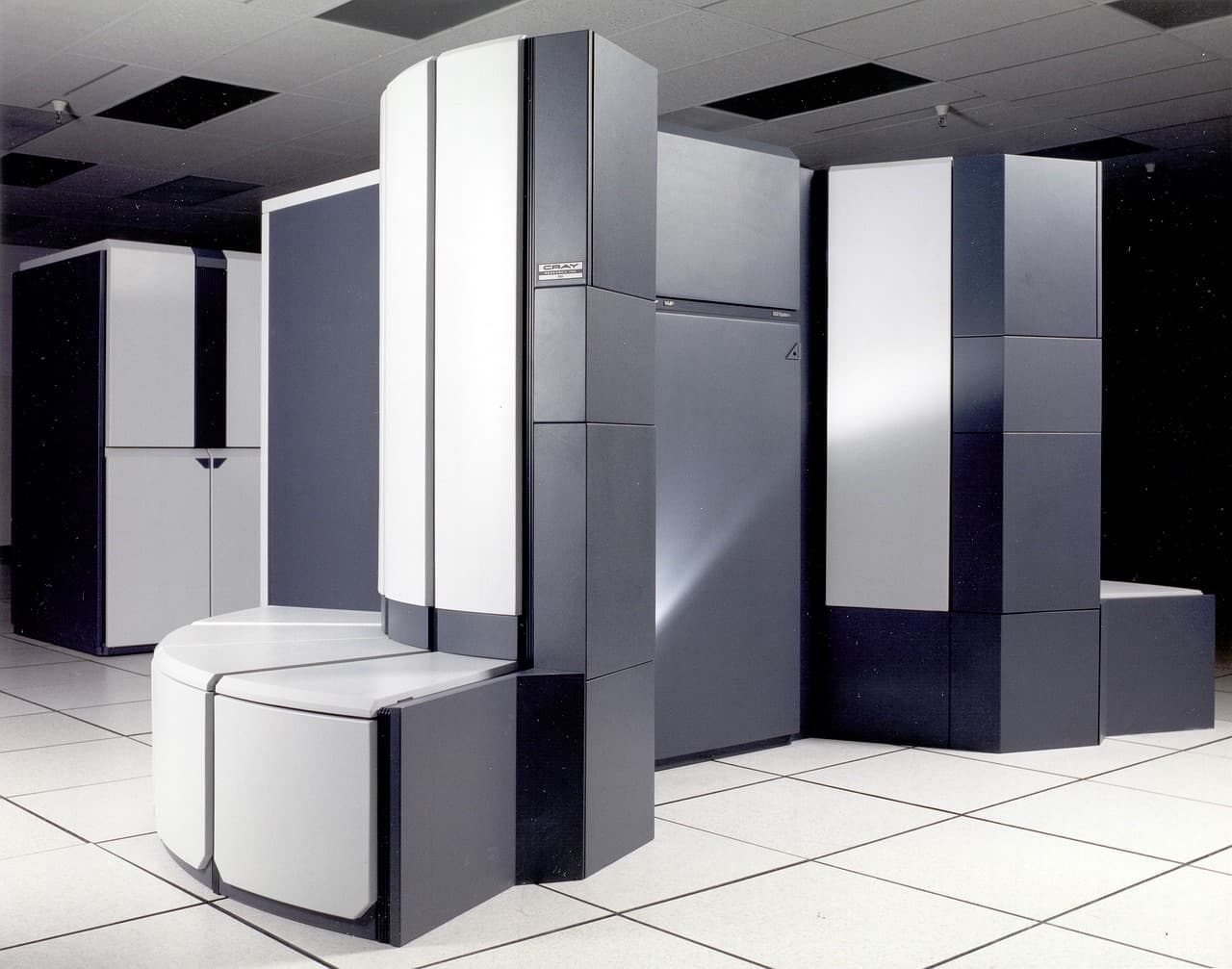
Canada plugs into Europe's supercomputing network

Brussels and Ottawa used the final day of the Montreal summit to announce an agreement that brings Canada into Europe's supercomputing network. The deal gives Canadians access to European machines for training AI models. Carney and von der Leyen made the announcement in person on Friday, speaking to reporters at the close of the summit.

The two leaders framed the wider partnership as the deepest possible between Canada and the 27-member bloc, with the potential to offer unprecedented stability and opportunity.

02 / TECHNOLOGY POLICY

Cohere and Aleph Alpha plan transatlantic merger

Alongside the supercomputing deal, Carney pointed to a planned merger between the Canadian AI company Cohere Inc and Germany's Aleph Alpha GmbH as a concrete step toward lessening reliance on American AI giants. The combined company would have dual headquarters in Berlin and Toronto, and Canada's federal government has announced a stake in Cohere worth up to C$1.6bn.

The prime minister tied the moves to control over the technology's direction, telling reporters on Thursday: "We are not waiting for the future of AI to be decided somewhere else by those we don't know, or by whom we don't trust".

03 / TECHNOLOGY POLICY

Why Carney wants to cut dependence on US tech

The technology package lands in a context of strained reliance on American providers:

  • A trade war between Canada and the United States has pushed Carney to hunt for new geopolitical partners, while over-reliance on American companies - especially for defence - has been an ongoing concern.
  • In mid-October, Elon Musk throttled the speeds of Starlink and Starshield over Ukraine, severely disrupting Ukrainian military and defence operations.
  • Carney has repeatedly raised the concern that Canada's defence technologies could be left at the whim of political actors or companies with opposing interests.
  • Musk is himself a dual Canadian citizen and a critic of Canada's governing Liberal party, and has advocated for provinces to separate.
04 / TECHNOLOGY POLICY

The wider Alliance for the Future

The tech deals sit inside a larger announcement: a new alliance of like-minded nations called the Alliance for the Future, which other countries are welcome to join. Carney described it as a "protective canopy under which our citizens can thrive" and a hedge against unpredictable geopolitics.

Von der Leyen warned that previously trusted suppliers of energy, critical minerals or semiconductors are increasingly turned into instruments of pressure. She said that when trade becomes a tool of economic pressure, it is families who pay the price - at the supermarket shelf and in the cost of a new car.

Carney said societies had been shaken by new storms, citing the climate emergency, the erosion of democratic norms and the weaponization of trade. Earlier in the day, he argued the alliance would mean more competition and more choice, could build certainty around supply chains and would let members withstand shocks together.

The leaders also said future talks would produce a more integrated market worth tens of billions of dollars, along with reduced trade and travel restrictions and new educational opportunities. The concrete AI steps named remain the planned Cohere–Aleph Alpha combination, its dual Berlin and Toronto headquarters and the announced Canadian federal stake of up to C$1.6bn in Cohere.

Canada-EU alliance brings supercomputing access and AI merger plan
TECHNOLOGY · TECHNOLOGY POLICY

Canada-EU alliance brings supercomputing access and AI merger plan

At the end of a two-day Montreal summit on Friday, Prime Minister Mark Carney and European Commission president Ursula von der Leyen announced the Alliance for the Future, a new Canada-EU alliance, alongside a deal giving Canadians access to Europe's supercomputing network to train AI models.

By LiveDigestPublished Friday, October 30, 2026 · 19:13 GMT | 3 min read

Canada-EU alliance brings supercomputing access and AI merger plan

01 / TECHNOLOGY POLICY

Canada plugs into Europe's supercomputing network

Brussels and Ottawa used the final day of the Montreal summit to announce an agreement that brings Canada into Europe's supercomputing network. The deal gives Canadians access to European machines for training AI models. Carney and von der Leyen made the announcement in person on Friday, speaking to reporters at the close of the summit.

The two leaders framed the wider partnership as the deepest possible between Canada and the 27-member bloc, with the potential to offer unprecedented stability and opportunity.

02 / TECHNOLOGY POLICY

Cohere and Aleph Alpha plan transatlantic merger

Alongside the supercomputing deal, Carney pointed to a planned merger between the Canadian AI company Cohere Inc and Germany's Aleph Alpha GmbH as a concrete step toward lessening reliance on American AI giants. The combined company would have dual headquarters in Berlin and Toronto, and Canada's federal government has announced a stake in Cohere worth up to C$1.6bn.

The prime minister tied the moves to control over the technology's direction, telling reporters on Thursday: "We are not waiting for the future of AI to be decided somewhere else by those we don't know, or by whom we don't trust".

03 / TECHNOLOGY POLICY

Why Carney wants to cut dependence on US tech

The technology package lands in a context of strained reliance on American providers:

  • A trade war between Canada and the United States has pushed Carney to hunt for new geopolitical partners, while over-reliance on American companies - especially for defence - has been an ongoing concern.
  • In mid-October, Elon Musk throttled the speeds of Starlink and Starshield over Ukraine, severely disrupting Ukrainian military and defence operations.
  • Carney has repeatedly raised the concern that Canada's defence technologies could be left at the whim of political actors or companies with opposing interests.
  • Musk is himself a dual Canadian citizen and a critic of Canada's governing Liberal party, and has advocated for provinces to separate.
04 / TECHNOLOGY POLICY

The wider Alliance for the Future

The tech deals sit inside a larger announcement: a new alliance of like-minded nations called the Alliance for the Future, which other countries are welcome to join. Carney described it as a "protective canopy under which our citizens can thrive" and a hedge against unpredictable geopolitics.

Von der Leyen warned that previously trusted suppliers of energy, critical minerals or semiconductors are increasingly turned into instruments of pressure. She said that when trade becomes a tool of economic pressure, it is families who pay the price - at the supermarket shelf and in the cost of a new car.

Carney said societies had been shaken by new storms, citing the climate emergency, the erosion of democratic norms and the weaponization of trade. Earlier in the day, he argued the alliance would mean more competition and more choice, could build certainty around supply chains and would let members withstand shocks together.

The leaders also said future talks would produce a more integrated market worth tens of billions of dollars, along with reduced trade and travel restrictions and new educational opportunities. The concrete AI steps named remain the planned Cohere–Aleph Alpha combination, its dual Berlin and Toronto headquarters and the announced Canadian federal stake of up to C$1.6bn in Cohere.

Canada-EU alliance brings supercomputing access and AI merger plan
TECHNOLOGY · TECHNOLOGY POLICY

Canada-EU alliance brings supercomputing access and AI merger plan

By LiveDigest

Canada-EU alliance brings supercomputing access and AI merger plan

01 / TECHNOLOGY POLICY

Canada plugs into Europe's supercomputing network

Brussels and Ottawa used the final day of the Montreal summit to announce an agreement that brings Canada into Europe's supercomputing network. The deal gives Canadians access to European machines for training AI models. Carney and von der Leyen made the announcement in person on Friday, speaking to reporters at the close of the summit.

The two leaders framed the wider partnership as the deepest possible between Canada and the 27-member bloc, with the potential to offer unprecedented stability and opportunity.

02 / TECHNOLOGY POLICY

Cohere and Aleph Alpha plan transatlantic merger

Alongside the supercomputing deal, Carney pointed to a planned merger between the Canadian AI company Cohere Inc and Germany's Aleph Alpha GmbH as a concrete step toward lessening reliance on American AI giants. The combined company would have dual headquarters in Berlin and Toronto, and Canada's federal government has announced a stake in Cohere worth up to C$1.6bn.

The prime minister tied the moves to control over the technology's direction, telling reporters on Thursday: "We are not waiting for the future of AI to be decided somewhere else by those we don't know, or by whom we don't trust".

03 / TECHNOLOGY POLICY

Why Carney wants to cut dependence on US tech

The technology package lands in a context of strained reliance on American providers:

  • A trade war between Canada and the United States has pushed Carney to hunt for new geopolitical partners, while over-reliance on American companies - especially for defence - has been an ongoing concern.
  • In mid-October, Elon Musk throttled the speeds of Starlink and Starshield over Ukraine, severely disrupting Ukrainian military and defence operations.
  • Carney has repeatedly raised the concern that Canada's defence technologies could be left at the whim of political actors or companies with opposing interests.
  • Musk is himself a dual Canadian citizen and a critic of Canada's governing Liberal party, and has advocated for provinces to separate.
04 / TECHNOLOGY POLICY

The wider Alliance for the Future

The tech deals sit inside a larger announcement: a new alliance of like-minded nations called the Alliance for the Future, which other countries are welcome to join. Carney described it as a "protective canopy under which our citizens can thrive" and a hedge against unpredictable geopolitics.

Von der Leyen warned that previously trusted suppliers of energy, critical minerals or semiconductors are increasingly turned into instruments of pressure. She said that when trade becomes a tool of economic pressure, it is families who pay the price - at the supermarket shelf and in the cost of a new car.

Carney said societies had been shaken by new storms, citing the climate emergency, the erosion of democratic norms and the weaponization of trade. Earlier in the day, he argued the alliance would mean more competition and more choice, could build certainty around supply chains and would let members withstand shocks together.

The leaders also said future talks would produce a more integrated market worth tens of billions of dollars, along with reduced trade and travel restrictions and new educational opportunities. The concrete AI steps named remain the planned Cohere–Aleph Alpha combination, its dual Berlin and Toronto headquarters and the announced Canadian federal stake of up to C$1.6bn in Cohere.