Verica, Roman invasion of Britain: was the ruler behind it a queen, not a king?
CULTURE · BOOKS

Verica, Roman invasion of Britain: was the ruler behind it a queen, not a king?

The archaeologist behind a new theory of the Verica Roman invasion of Britain link, Dr Miles Russell of Bournemouth University, claims the Atrebates ruler whose flight preceded the Claudian invasion of AD 43 was a woman - an argument other scholars question.

By LiveDigestPublished Thursday, November 5, 2026 · 05:38 GMT | 3 min read

Verica, Roman invasion of Britain: was the ruler behind it a queen, not a king?

An archaeologist argues that Verica, the British ruler whose appeal to Rome set off the Roman invasion of Britain in AD 43, was not a king but a queen. Dr Miles Russell, director of archaeological fieldwork at Bournemouth University, says the ruler traditionally credited with persuading Emperor Claudius to send troops to Kent was a woman. "Without Verica there probably would be no Roman invasion," Russell said.

01 / BOOKS

The ruler who prompted the invasion

Verica was a Romanised Briton who ruled the Atrebates tribe, which controlled parts of what is now southern Hampshire and West Sussex. After the death of Cunobelinus and the rise of his son Caratacus, Verica was exiled and fled to Claudius in Rome - the flight traditionally seen as the trigger for the invasion of AD 43.

02 / BOOKS

Russell's case for a queen

Russell builds his argument on the name, the coinage and the inscriptions that survive from Verica's reign:

  • Latin names ending in the letter "a" often belong to women.
  • The word "Rex" on Verica coins referred to firm allies on the edge of the Roman empire in the late first century BC and early to mid first century AD and, unlike "Regina" (queen) and "Regis" (king), did not imply a particular sex, Russell says.
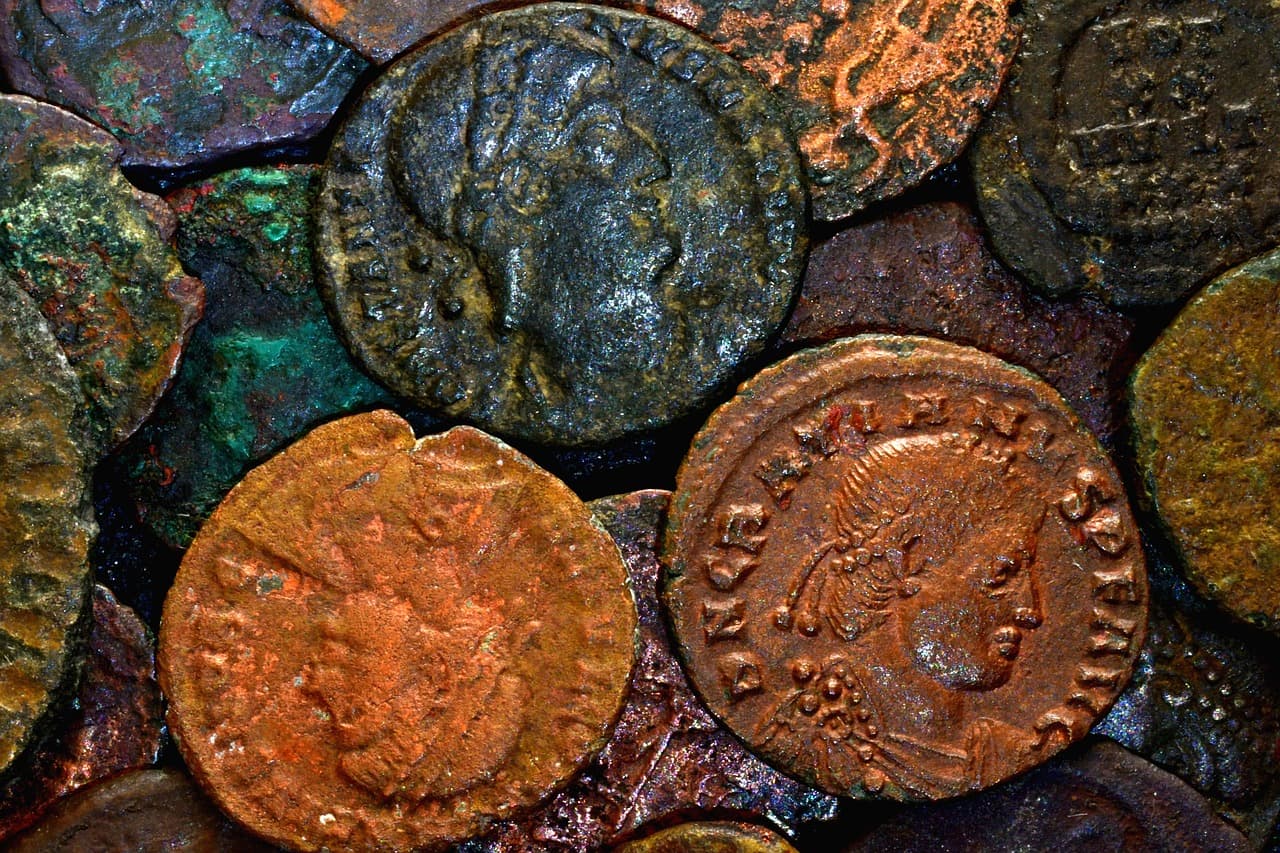
  • Coins minted under Verica appear to show a naked woman on horseback, whereas the coins of Cunobelinus and Caratacus show overtly male naked figures on a horse.
  • Abbreviated Latin inscriptions on the coins, previously read as "son of", could also mean "daughter of", according to Russell.
"I think the imagery is overtly feminine because that's basically saying that's who Verica is"

Russell links the coin imagery to criticisms made of Claudius by the Roman writer Cassius Dio, who claimed the emperor was influenced by slaves and women.

03 / BOOKS

The sceptics' objections

Other scholars are not persuaded. Prof Roger Tomlin of the University of Oxford noted that some Latin men's names do end in "a", and that the existence of the masculine form "Vericus" is the best argument that "Verica" was feminine. Tomlin also pointed out that Cassius Dio assumed the ruler was a man, referring to him as "Bericus"; Russell replies that Dio, writing more than 200 years later through generations of translation and transcription, could have garbled the name.

On the coinage, Tomlin said there is little evidence "Rex" was used for both male and female rulers, and that Russell must prove, by finding other examples, that the Romans referred to client-queens as Rex. He compared the coin-imagery argument to claims that Queen Victoria was really a man, because the reverse of her gold coinage depicts her as a male horseman killing a dragon.

Dr Daphne Nash Briggs voiced similar scepticism, noting that some Verica coins depict a clearly male figure on horseback, some a portrait in male priestly dress, and some a head and neck - with an Adam's apple. Russell argues the head-and-neck figure depicts the emperor, and that it is not clear the priestly-dress figure is male or even Verica.

04 / BOOKS

Women in iron age society

Russell places the claim in a wider context: work by him and colleagues has previously revealed that women were extremely important within iron age society. His arguments are set out in his new book, Caratacus: Great King of Britain.

"The one-sided story's been there for so long. We need that to change. We need to have this discussion."

If the claim creates debate, that is welcome, Russell suggested. "If it does create debate and argument, I think that's for the better," he said.
Verica, Roman invasion of Britain: was the ruler behind it a queen, not a king?
CULTURE · BOOKS

Verica, Roman invasion of Britain: was the ruler behind it a queen, not a king?

The archaeologist behind a new theory of the Verica Roman invasion of Britain link, Dr Miles Russell of Bournemouth University, claims the Atrebates ruler whose flight preceded the Claudian invasion of AD 43 was a woman - an argument other scholars question.

By LiveDigestPublished Thursday, November 5, 2026 · 05:38 GMT | 3 min read

Verica, Roman invasion of Britain: was the ruler behind it a queen, not a king?

An archaeologist argues that Verica, the British ruler whose appeal to Rome set off the Roman invasion of Britain in AD 43, was not a king but a queen. Dr Miles Russell, director of archaeological fieldwork at Bournemouth University, says the ruler traditionally credited with persuading Emperor Claudius to send troops to Kent was a woman. "Without Verica there probably would be no Roman invasion," Russell said.

01 / BOOKS

The ruler who prompted the invasion

Verica was a Romanised Briton who ruled the Atrebates tribe, which controlled parts of what is now southern Hampshire and West Sussex. After the death of Cunobelinus and the rise of his son Caratacus, Verica was exiled and fled to Claudius in Rome - the flight traditionally seen as the trigger for the invasion of AD 43.

02 / BOOKS

Russell's case for a queen

Russell builds his argument on the name, the coinage and the inscriptions that survive from Verica's reign:

  • Latin names ending in the letter "a" often belong to women.
  • The word "Rex" on Verica coins referred to firm allies on the edge of the Roman empire in the late first century BC and early to mid first century AD and, unlike "Regina" (queen) and "Regis" (king), did not imply a particular sex, Russell says.
  • Coins minted under Verica appear to show a naked woman on horseback, whereas the coins of Cunobelinus and Caratacus show overtly male naked figures on a horse.
  • Abbreviated Latin inscriptions on the coins, previously read as "son of", could also mean "daughter of", according to Russell.

Russell links the coin imagery to criticisms made of Claudius by the Roman writer Cassius Dio, who claimed the emperor was influenced by slaves and women.

"I think the imagery is overtly feminine because that's basically saying that's who Verica is"
03 / BOOKS

The sceptics' objections

Other scholars are not persuaded. Prof Roger Tomlin of the University of Oxford noted that some Latin men's names do end in "a", and that the existence of the masculine form "Vericus" is the best argument that "Verica" was feminine. Tomlin also pointed out that Cassius Dio assumed the ruler was a man, referring to him as "Bericus"; Russell replies that Dio, writing more than 200 years later through generations of translation and transcription, could have garbled the name.

On the coinage, Tomlin said there is little evidence "Rex" was used for both male and female rulers, and that Russell must prove, by finding other examples, that the Romans referred to client-queens as Rex. He compared the coin-imagery argument to claims that Queen Victoria was really a man, because the reverse of her gold coinage depicts her as a male horseman killing a dragon.

Dr Daphne Nash Briggs voiced similar scepticism, noting that some Verica coins depict a clearly male figure on horseback, some a portrait in male priestly dress, and some a head and neck - with an Adam's apple. Russell argues the head-and-neck figure depicts the emperor, and that it is not clear the priestly-dress figure is male or even Verica.

04 / BOOKS

Women in iron age society

Russell places the claim in a wider context: work by him and colleagues has previously revealed that women were extremely important within iron age society. His arguments are set out in his new book, Caratacus: Great King of Britain.

If the claim creates debate, that is welcome, Russell suggested. "If it does create debate and argument, I think that's for the better," he said.

"The one-sided story's been there for so long. We need that to change. We need to have this discussion."
Verica, Roman invasion of Britain: was the ruler behind it a queen, not a king?
CULTURE · BOOKS

Verica, Roman invasion of Britain: was the ruler behind it a queen, not a king?

By LiveDigest

Verica, Roman invasion of Britain: was the ruler behind it a queen, not a king?

An archaeologist argues that Verica, the British ruler whose appeal to Rome set off the Roman invasion of Britain in AD 43, was not a king but a queen. Dr Miles Russell, director of archaeological fieldwork at Bournemouth University, says the ruler traditionally credited with persuading Emperor Claudius to send troops to Kent was a woman. "Without Verica there probably would be no Roman invasion," Russell said.

01 / BOOKS

The ruler who prompted the invasion

Verica was a Romanised Briton who ruled the Atrebates tribe, which controlled parts of what is now southern Hampshire and West Sussex. After the death of Cunobelinus and the rise of his son Caratacus, Verica was exiled and fled to Claudius in Rome - the flight traditionally seen as the trigger for the invasion of AD 43.

02 / BOOKS

Russell's case for a queen

Russell builds his argument on the name, the coinage and the inscriptions that survive from Verica's reign:

  • Latin names ending in the letter "a" often belong to women.
  • The word "Rex" on Verica coins referred to firm allies on the edge of the Roman empire in the late first century BC and early to mid first century AD and, unlike "Regina" (queen) and "Regis" (king), did not imply a particular sex, Russell says.
  • Coins minted under Verica appear to show a naked woman on horseback, whereas the coins of Cunobelinus and Caratacus show overtly male naked figures on a horse.
  • Abbreviated Latin inscriptions on the coins, previously read as "son of", could also mean "daughter of", according to Russell.

Russell links the coin imagery to criticisms made of Claudius by the Roman writer Cassius Dio, who claimed the emperor was influenced by slaves and women.

"I think the imagery is overtly feminine because that's basically saying that's who Verica is"
03 / BOOKS

The sceptics' objections

Other scholars are not persuaded. Prof Roger Tomlin of the University of Oxford noted that some Latin men's names do end in "a", and that the existence of the masculine form "Vericus" is the best argument that "Verica" was feminine. Tomlin also pointed out that Cassius Dio assumed the ruler was a man, referring to him as "Bericus"; Russell replies that Dio, writing more than 200 years later through generations of translation and transcription, could have garbled the name.

On the coinage, Tomlin said there is little evidence "Rex" was used for both male and female rulers, and that Russell must prove, by finding other examples, that the Romans referred to client-queens as Rex. He compared the coin-imagery argument to claims that Queen Victoria was really a man, because the reverse of her gold coinage depicts her as a male horseman killing a dragon.

Dr Daphne Nash Briggs voiced similar scepticism, noting that some Verica coins depict a clearly male figure on horseback, some a portrait in male priestly dress, and some a head and neck - with an Adam's apple. Russell argues the head-and-neck figure depicts the emperor, and that it is not clear the priestly-dress figure is male or even Verica.

04 / BOOKS

Women in iron age society

Russell places the claim in a wider context: work by him and colleagues has previously revealed that women were extremely important within iron age society. His arguments are set out in his new book, Caratacus: Great King of Britain.

If the claim creates debate, that is welcome, Russell suggested. "If it does create debate and argument, I think that's for the better," he said.

"The one-sided story's been there for so long. We need that to change. We need to have this discussion."