Mad about mara: how the mara dance movement Nigeria embraced went from bedroom beats to the mainstream
CULTURE · MUSIC

Mad about mara: how the mara dance movement Nigeria embraced went from bedroom beats to the mainstream

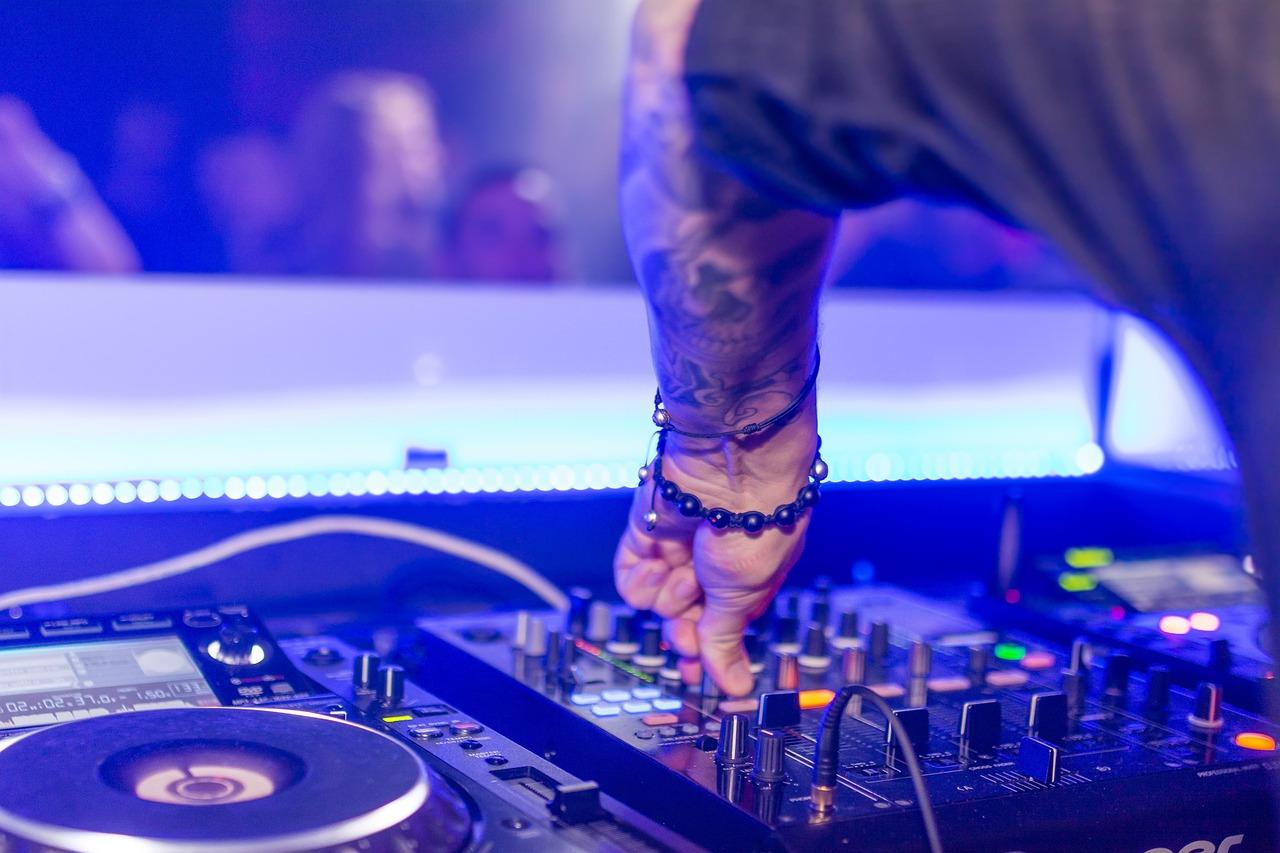
The mara dance movement Nigeria's young ravers have embraced began with DJ Khalipha speeding up cruise beats in his hostel room in 2022. Now the melancholic sound is in mainstream Nigerian music, even as its creators battle stereotypes and fund themselves.

By LiveDigestPublished Friday, November 27, 2026 · 06:25 GMT | 4 min read

Mad about mara: how the mara dance movement Nigeria embraced went from bedroom beats to the mainstream

01 / MUSIC

From cruise beats to mara

Lawal Habeeb Kola, a student in Ilorin in central Nigeria, preferred making beats in his hostel room to going home to Lagos, the city where he was born. In 2022, one of those beats took off on TikTok after a version with ad-libbed vocals from a hypeman spread across the platform.

The break that seemed to follow never quite arrived. Kola, now known as DJ Khalipha and aged 27, was invited to a music video shoot in Lagos but never appeared in the released video. "I was in a restaurant and everybody was anticipating seeing me, but my face did not show once," he said; he felt disgraced and stopped posting the song.

He went back to DIY cruise beats, a lo-fi, frenetic genre named after the pidgin phrase "catch cruise" - to joke around - built on amusing voice samples from Nollywood films and memes. Khalipha pushed its usual 115-120 beats per minute up to 140-150bpm, added melancholic undertones and called the result mara, a word meaning to lose one's senses. The sound's popularity soared, crossing from the Lagos underground into the music of mainstream artists.

02 / MUSIC

A trend, a dancer and a death

Feranmi Abiola, the 24-year-old director of the 2025 documentary Mara Mania, said: "It became a trend that every producer and DJ was hopping on," with sounds labelled 'mara fever, mara this, mara that' whether or not they were actually mara.

Dancer Obi 'Odogwu Mara' Madubogwu named himself after the sound and posted dance routines on social media every week, earning street credibility. His death in unclear circumstances at the age of 26 galvanised interest in mara, particularly among young Nigerians who use dance challenges as an escape from poor job prospects in a sluggish economy.

The producer Azzi On The Beat, an early adopter, described the music as spiritual. "We've seen area boys [street urchins] switching to become dancers," he said. Mara has also become a fixture at Nigerian street raves - block gatherings for young people tired of nightclub alcohol markups and "bottle culture", the flaunting of expensive champagne in VIP sections.

03 / MUSIC

Stereotypes and self-funding

Top musicians now enlist mara in search of hits, yet the genre's originators stay relatively unknown, mostly confined to the underground TrenchTok scene. The barriers they describe include:

  • Bookers assuming, as Khalipha said, that mara DJs carry an air of chaos and violence because of the raw sound and its links to street culture
  • Stereotypes about background, looks and dress - Abiola stresses that mara DJs "are not harmful, but they face stereotypes because of their background, how they look and how they dress," and made her documentary to show them as young innovators shaping the generation's cultural identity who deserve to be taken seriously
  • Copyright flags on samples, which the DJs answered by building their own instrumentals from scratch with plugins, all without institutional backing
  • Financial strain: many artists are self-funded, investing influencer earnings or royalties into video shoots and promotion, and female dancers report sexual harassment and financial exploitation

"The financial challenges are more apparent for the dancers, because people don't really take dancers seriously," Abiola said. Azzi's manager, 27-year-old Sangokunle Anuoluwapo, known as Kadima, pointed to a weed-strewn square with rubbish and roaming goats - where a woman sieved black-eyed peas on a tray - as the place they shoot most of their videos.

04 / MUSIC

Roots at the Footprints of David Art Academy

Support does exist. Help from the French embassy took Azzi to festivals in Uganda and parts of Europe, and industry friends assist at times with free funding or promotion. Kadima said: "I understand what we want for this culture so we keep pushing really hard," calling it family work with revenues split among everybody.

Azzi's grounding came from the Footprints of David Art Academy, a children's dance theatre troupe that performed behind his mother's shop, where he honed his dancing, learned drumming and met Kadima. "We were taught how to fight through tough times," he said.

Art director Seun Awobajo launched the academy in 2005 to channel the energy of disadvantaged children into creative endeavours. "[I had] the notion that no child is useless, they are only used less," he said. Seeing what the children have become - children the upper class of society had written off - he said: "Being proud is an understatement," adding that he feels more fulfilled.

For all the obstacles, those in the mara scene still dream of global traction for their genre.
Continue reading

More from Culture.

Mad about mara: how the mara dance movement Nigeria embraced went from bedroom beats to the mainstream
CULTURE · MUSIC

Mad about mara: how the mara dance movement Nigeria embraced went from bedroom beats to the mainstream

The mara dance movement Nigeria's young ravers have embraced began with DJ Khalipha speeding up cruise beats in his hostel room in 2022. Now the melancholic sound is in mainstream Nigerian music, even as its creators battle stereotypes and fund themselves.

By LiveDigestPublished Friday, November 27, 2026 · 06:25 GMT | 4 min read

Mad about mara: how the mara dance movement Nigeria embraced went from bedroom beats to the mainstream

01 / MUSIC

From cruise beats to mara

Lawal Habeeb Kola, a student in Ilorin in central Nigeria, preferred making beats in his hostel room to going home to Lagos, the city where he was born. In 2022, one of those beats took off on TikTok after a version with ad-libbed vocals from a hypeman spread across the platform.

The break that seemed to follow never quite arrived. Kola, now known as DJ Khalipha and aged 27, was invited to a music video shoot in Lagos but never appeared in the released video. "I was in a restaurant and everybody was anticipating seeing me, but my face did not show once," he said; he felt disgraced and stopped posting the song.

He went back to DIY cruise beats, a lo-fi, frenetic genre named after the pidgin phrase "catch cruise" - to joke around - built on amusing voice samples from Nollywood films and memes. Khalipha pushed its usual 115-120 beats per minute up to 140-150bpm, added melancholic undertones and called the result mara, a word meaning to lose one's senses. The sound's popularity soared, crossing from the Lagos underground into the music of mainstream artists.

02 / MUSIC

A trend, a dancer and a death

Feranmi Abiola, the 24-year-old director of the 2025 documentary Mara Mania, said: "It became a trend that every producer and DJ was hopping on," with sounds labelled 'mara fever, mara this, mara that' whether or not they were actually mara.

Dancer Obi 'Odogwu Mara' Madubogwu named himself after the sound and posted dance routines on social media every week, earning street credibility. His death in unclear circumstances at the age of 26 galvanised interest in mara, particularly among young Nigerians who use dance challenges as an escape from poor job prospects in a sluggish economy.

The producer Azzi On The Beat, an early adopter, described the music as spiritual. "We've seen area boys [street urchins] switching to become dancers," he said. Mara has also become a fixture at Nigerian street raves - block gatherings for young people tired of nightclub alcohol markups and "bottle culture", the flaunting of expensive champagne in VIP sections.

03 / MUSIC

Stereotypes and self-funding

Top musicians now enlist mara in search of hits, yet the genre's originators stay relatively unknown, mostly confined to the underground TrenchTok scene. The barriers they describe include:

  • Bookers assuming, as Khalipha said, that mara DJs carry an air of chaos and violence because of the raw sound and its links to street culture
  • Stereotypes about background, looks and dress - Abiola stresses that mara DJs "are not harmful, but they face stereotypes because of their background, how they look and how they dress," and made her documentary to show them as young innovators shaping the generation's cultural identity who deserve to be taken seriously
  • Copyright flags on samples, which the DJs answered by building their own instrumentals from scratch with plugins, all without institutional backing
  • Financial strain: many artists are self-funded, investing influencer earnings or royalties into video shoots and promotion, and female dancers report sexual harassment and financial exploitation

"The financial challenges are more apparent for the dancers, because people don't really take dancers seriously," Abiola said. Azzi's manager, 27-year-old Sangokunle Anuoluwapo, known as Kadima, pointed to a weed-strewn square with rubbish and roaming goats - where a woman sieved black-eyed peas on a tray - as the place they shoot most of their videos.

04 / MUSIC

Roots at the Footprints of David Art Academy

Support does exist. Help from the French embassy took Azzi to festivals in Uganda and parts of Europe, and industry friends assist at times with free funding or promotion. Kadima said: "I understand what we want for this culture so we keep pushing really hard," calling it family work with revenues split among everybody.

Azzi's grounding came from the Footprints of David Art Academy, a children's dance theatre troupe that performed behind his mother's shop, where he honed his dancing, learned drumming and met Kadima. "We were taught how to fight through tough times," he said.

Art director Seun Awobajo launched the academy in 2005 to channel the energy of disadvantaged children into creative endeavours. "[I had] the notion that no child is useless, they are only used less," he said. Seeing what the children have become - children the upper class of society had written off - he said: "Being proud is an understatement," adding that he feels more fulfilled.

For all the obstacles, those in the mara scene still dream of global traction for their genre.

Continue reading

More from Culture.

Mad about mara: how the mara dance movement Nigeria embraced went from bedroom beats to the mainstream
CULTURE · MUSIC

Mad about mara: how the mara dance movement Nigeria embraced went from bedroom beats to the mainstream

By LiveDigest

Mad about mara: how the mara dance movement Nigeria embraced went from bedroom beats to the mainstream

01 / MUSIC

From cruise beats to mara

Lawal Habeeb Kola, a student in Ilorin in central Nigeria, preferred making beats in his hostel room to going home to Lagos, the city where he was born. In 2022, one of those beats took off on TikTok after a version with ad-libbed vocals from a hypeman spread across the platform.

The break that seemed to follow never quite arrived. Kola, now known as DJ Khalipha and aged 27, was invited to a music video shoot in Lagos but never appeared in the released video. "I was in a restaurant and everybody was anticipating seeing me, but my face did not show once," he said; he felt disgraced and stopped posting the song.

He went back to DIY cruise beats, a lo-fi, frenetic genre named after the pidgin phrase "catch cruise" - to joke around - built on amusing voice samples from Nollywood films and memes. Khalipha pushed its usual 115-120 beats per minute up to 140-150bpm, added melancholic undertones and called the result mara, a word meaning to lose one's senses. The sound's popularity soared, crossing from the Lagos underground into the music of mainstream artists.

02 / MUSIC

A trend, a dancer and a death

Feranmi Abiola, the 24-year-old director of the 2025 documentary Mara Mania, said: "It became a trend that every producer and DJ was hopping on," with sounds labelled 'mara fever, mara this, mara that' whether or not they were actually mara.

Dancer Obi 'Odogwu Mara' Madubogwu named himself after the sound and posted dance routines on social media every week, earning street credibility. His death in unclear circumstances at the age of 26 galvanised interest in mara, particularly among young Nigerians who use dance challenges as an escape from poor job prospects in a sluggish economy.

The producer Azzi On The Beat, an early adopter, described the music as spiritual. "We've seen area boys [street urchins] switching to become dancers," he said. Mara has also become a fixture at Nigerian street raves - block gatherings for young people tired of nightclub alcohol markups and "bottle culture", the flaunting of expensive champagne in VIP sections.

03 / MUSIC

Stereotypes and self-funding

Top musicians now enlist mara in search of hits, yet the genre's originators stay relatively unknown, mostly confined to the underground TrenchTok scene. The barriers they describe include:

  • Bookers assuming, as Khalipha said, that mara DJs carry an air of chaos and violence because of the raw sound and its links to street culture
  • Stereotypes about background, looks and dress - Abiola stresses that mara DJs "are not harmful, but they face stereotypes because of their background, how they look and how they dress," and made her documentary to show them as young innovators shaping the generation's cultural identity who deserve to be taken seriously
  • Copyright flags on samples, which the DJs answered by building their own instrumentals from scratch with plugins, all without institutional backing
  • Financial strain: many artists are self-funded, investing influencer earnings or royalties into video shoots and promotion, and female dancers report sexual harassment and financial exploitation

"The financial challenges are more apparent for the dancers, because people don't really take dancers seriously," Abiola said. Azzi's manager, 27-year-old Sangokunle Anuoluwapo, known as Kadima, pointed to a weed-strewn square with rubbish and roaming goats - where a woman sieved black-eyed peas on a tray - as the place they shoot most of their videos.

04 / MUSIC

Roots at the Footprints of David Art Academy

Support does exist. Help from the French embassy took Azzi to festivals in Uganda and parts of Europe, and industry friends assist at times with free funding or promotion. Kadima said: "I understand what we want for this culture so we keep pushing really hard," calling it family work with revenues split among everybody.

Azzi's grounding came from the Footprints of David Art Academy, a children's dance theatre troupe that performed behind his mother's shop, where he honed his dancing, learned drumming and met Kadima. "We were taught how to fight through tough times," he said.

Art director Seun Awobajo launched the academy in 2005 to channel the energy of disadvantaged children into creative endeavours. "[I had] the notion that no child is useless, they are only used less," he said. Seeing what the children have become - children the upper class of society had written off - he said: "Being proud is an understatement," adding that he feels more fulfilled.

For all the obstacles, those in the mara scene still dream of global traction for their genre.
Continue reading

More from Culture.