Manchester sound system culture revived by pioneers of Moss Side and beyond
CULTURE · MUSIC

Manchester sound system culture revived by pioneers of Moss Side and beyond

Manchester sound system culture is enjoying a revival more than 50 years after Windrush-generation descendants built a Black British youth movement around it, with figures such as Baron Turbo Charge keeping reggae alive in Moss Side.

By LiveDigestPublished Saturday, November 21, 2026 · 12:29 GMT | 4 min read

Manchester sound system culture revived by pioneers of Moss Side and beyond

01 / MUSIC

Records as a teacher

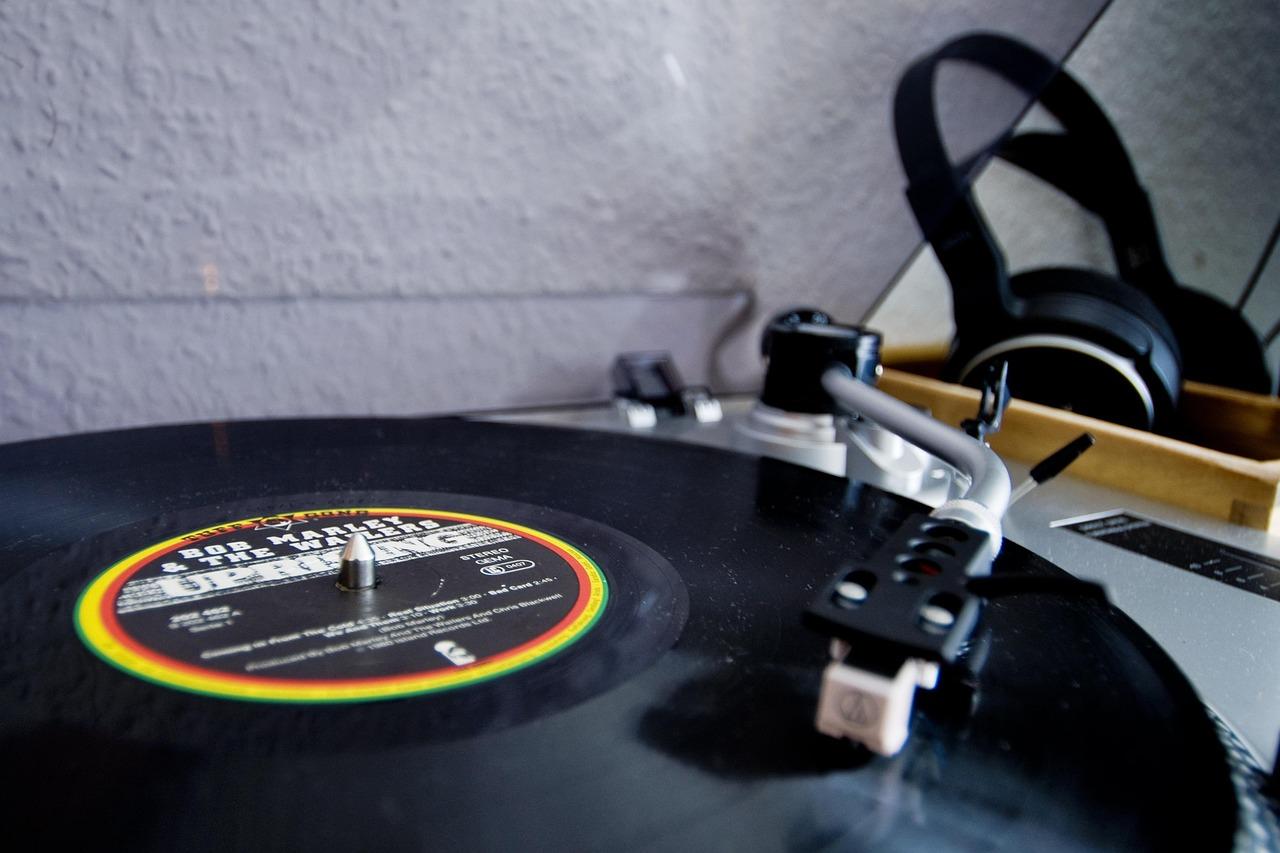
More than half a century after the children of the Windrush generation adapted their parents' music, DJing culture and technology into a Black British youth movement, Manchester sound system culture is enjoying a revival. Errol "Barzy" Beaumont, a founder member of the reggae sound Baron Turbo Charge, remembers how the records themselves filled the gaps left by school.

"It was the records – Burning Spear, Bob Marley, Culture, that were telling us about our culture, which wasn't on the school curriculum."

Winston Jones, founder of Trafford Bar Studios, describes the same education. The reggae of the 1970s taught him about Marcus Garvey and Nelson Mandela. "It was teaching us that Africa was our home – the music was our teacher," he says.

02 / MUSIC

Building the first sounds

The sound system pioneers of Manchester started small. Keithly Brandy set up Tyban Sounds in 1976 with two friends, "Big" Trevor Bell and "Young" Trevor Bell, taking inspiration from older soundmen including Lord Cass, Bugga Levi, Count Leroy, Count Sam, Rocket and Angel Hi-Fi.

  • Beaumont started out as a teenager in the mid-70s with friends Junior Wilson and the late Melvyn "Wizzydan" Joseph, at a time when Black people faced an unofficial societal colour bar.
  • The trio saved £10 each to buy a secondhand valve guitar amplifier, adding it to their records, speakers and an old turntable.
  • For their first dance they built speaker cabinets from timber taken from a building site, then hauled the gear up flats on Bonsall Street on the edge of Hulme Crescents; by the second floor the system fell apart while the party waited on the fourth.
  • From that moment, the group decided to "get serious".

Marcus of the Megatone Sound Foundation also began in 1976, aged nine, in his parents' front room in Old Trafford: he dismantled the family's wooden stereogram - turntable, speakers and valve amplifier - and rebuilt them in homemade cabinets upstairs. He named his first system Conqueror.

03 / MUSIC

The early scene

In the 1970s and 80s the scene lived in the house parties, community functions and youth clubs of Hulme, Moss Side and Old Trafford. Parents approved of staples such as Bob and Marcia's Young, Gifted and Black, while youth clubs like Aquarius, Proctor's, Birley and the Hideaway played Dillinger and Johnny Clarke. In a male-dominated culture, 1980s sounds such as Kilowatt drew a female following with lovers rock.

Brandy still recalls persuading carnival pioneer Locita Brandy, his mother, to give young people a chance, and bringing London's Conqueror sound system to Manchester Carnival and an after-party at Abasindi's women's co-operative.

04 / MUSIC

Keeping the culture alive

Preservation work is now under way on several fronts. Brandy, an archivist of Manchester's postwar Black history, works with museums and universities to save the flyers and paperwork of the era. Among the items he kept for decades is a contract from broadcaster David Rodigan's appearance at the PSV club, the reggae venue founded by the city's Black bus drivers; it is displayed in the V&A East exhibition The Music is Black: A British Story in London.

Jones has been producing a podcast series about the sound system era, funded through his compensation from the Windrush scandal. The Pioneers of Manchester's Soundsystem era podcast exists to preserve voices from a significant chapter in Manchester's Black cultural history. His Trafford Bar Studios offers young people free lessons in DJing, photography, videography and podcasting.

The music itself keeps travelling. The Megatone Sound Foundation has set up and supported sound systems across the Black diaspora, from Kingston to the Gambia and Ethiopia, and is feted by audiences in France, Greece, Hungary and Poland, raising funds for charitable causes and organising events for community elders. In Moss Side itself, Baron Turbo Charge keep reggae alive at the heart of the neighbourhood.

Beaumont, now 67, came back to playing dances after a decades-long hiatus because he felt there was nothing for his generation's entertainment, and says many people his age still want to dress up and go out as they once did. The West Indian Sports and Social Centre, a historic Moss Side community hub, is among the few venues where large sound systems can still recreate the old atmosphere.
Manchester sound system culture revived by pioneers of Moss Side and beyond
CULTURE · MUSIC

Manchester sound system culture revived by pioneers of Moss Side and beyond

Manchester sound system culture is enjoying a revival more than 50 years after Windrush-generation descendants built a Black British youth movement around it, with figures such as Baron Turbo Charge keeping reggae alive in Moss Side.

By LiveDigestPublished Saturday, November 21, 2026 · 12:29 GMT | 4 min read

Manchester sound system culture revived by pioneers of Moss Side and beyond

01 / MUSIC

Records as a teacher

More than half a century after the children of the Windrush generation adapted their parents' music, DJing culture and technology into a Black British youth movement, Manchester sound system culture is enjoying a revival. Errol "Barzy" Beaumont, a founder member of the reggae sound Baron Turbo Charge, remembers how the records themselves filled the gaps left by school.

Winston Jones, founder of Trafford Bar Studios, describes the same education. The reggae of the 1970s taught him about Marcus Garvey and Nelson Mandela. "It was teaching us that Africa was our home – the music was our teacher," he says.

"It was the records – Burning Spear, Bob Marley, Culture, that were telling us about our culture, which wasn't on the school curriculum."
02 / MUSIC

Building the first sounds

The sound system pioneers of Manchester started small. Keithly Brandy set up Tyban Sounds in 1976 with two friends, "Big" Trevor Bell and "Young" Trevor Bell, taking inspiration from older soundmen including Lord Cass, Bugga Levi, Count Leroy, Count Sam, Rocket and Angel Hi-Fi.

  • Beaumont started out as a teenager in the mid-70s with friends Junior Wilson and the late Melvyn "Wizzydan" Joseph, at a time when Black people faced an unofficial societal colour bar.
  • The trio saved £10 each to buy a secondhand valve guitar amplifier, adding it to their records, speakers and an old turntable.
  • For their first dance they built speaker cabinets from timber taken from a building site, then hauled the gear up flats on Bonsall Street on the edge of Hulme Crescents; by the second floor the system fell apart while the party waited on the fourth.
  • From that moment, the group decided to "get serious".

Marcus of the Megatone Sound Foundation also began in 1976, aged nine, in his parents' front room in Old Trafford: he dismantled the family's wooden stereogram - turntable, speakers and valve amplifier - and rebuilt them in homemade cabinets upstairs. He named his first system Conqueror.

03 / MUSIC

The early scene

In the 1970s and 80s the scene lived in the house parties, community functions and youth clubs of Hulme, Moss Side and Old Trafford. Parents approved of staples such as Bob and Marcia's Young, Gifted and Black, while youth clubs like Aquarius, Proctor's, Birley and the Hideaway played Dillinger and Johnny Clarke. In a male-dominated culture, 1980s sounds such as Kilowatt drew a female following with lovers rock.

Brandy still recalls persuading carnival pioneer Locita Brandy, his mother, to give young people a chance, and bringing London's Conqueror sound system to Manchester Carnival and an after-party at Abasindi's women's co-operative.

04 / MUSIC

Keeping the culture alive

Preservation work is now under way on several fronts. Brandy, an archivist of Manchester's postwar Black history, works with museums and universities to save the flyers and paperwork of the era. Among the items he kept for decades is a contract from broadcaster David Rodigan's appearance at the PSV club, the reggae venue founded by the city's Black bus drivers; it is displayed in the V&A East exhibition The Music is Black: A British Story in London.

Jones has been producing a podcast series about the sound system era, funded through his compensation from the Windrush scandal. The Pioneers of Manchester's Soundsystem era podcast exists to preserve voices from a significant chapter in Manchester's Black cultural history. His Trafford Bar Studios offers young people free lessons in DJing, photography, videography and podcasting.

The music itself keeps travelling. The Megatone Sound Foundation has set up and supported sound systems across the Black diaspora, from Kingston to the Gambia and Ethiopia, and is feted by audiences in France, Greece, Hungary and Poland, raising funds for charitable causes and organising events for community elders. In Moss Side itself, Baron Turbo Charge keep reggae alive at the heart of the neighbourhood.

Beaumont, now 67, came back to playing dances after a decades-long hiatus because he felt there was nothing for his generation's entertainment, and says many people his age still want to dress up and go out as they once did. The West Indian Sports and Social Centre, a historic Moss Side community hub, is among the few venues where large sound systems can still recreate the old atmosphere.

Manchester sound system culture revived by pioneers of Moss Side and beyond
CULTURE · MUSIC

Manchester sound system culture revived by pioneers of Moss Side and beyond

By LiveDigest

Manchester sound system culture revived by pioneers of Moss Side and beyond

01 / MUSIC

Records as a teacher

More than half a century after the children of the Windrush generation adapted their parents' music, DJing culture and technology into a Black British youth movement, Manchester sound system culture is enjoying a revival. Errol "Barzy" Beaumont, a founder member of the reggae sound Baron Turbo Charge, remembers how the records themselves filled the gaps left by school.

Winston Jones, founder of Trafford Bar Studios, describes the same education. The reggae of the 1970s taught him about Marcus Garvey and Nelson Mandela. "It was teaching us that Africa was our home – the music was our teacher," he says.

"It was the records – Burning Spear, Bob Marley, Culture, that were telling us about our culture, which wasn't on the school curriculum."
02 / MUSIC

Building the first sounds

The sound system pioneers of Manchester started small. Keithly Brandy set up Tyban Sounds in 1976 with two friends, "Big" Trevor Bell and "Young" Trevor Bell, taking inspiration from older soundmen including Lord Cass, Bugga Levi, Count Leroy, Count Sam, Rocket and Angel Hi-Fi.

  • Beaumont started out as a teenager in the mid-70s with friends Junior Wilson and the late Melvyn "Wizzydan" Joseph, at a time when Black people faced an unofficial societal colour bar.
  • The trio saved £10 each to buy a secondhand valve guitar amplifier, adding it to their records, speakers and an old turntable.
  • For their first dance they built speaker cabinets from timber taken from a building site, then hauled the gear up flats on Bonsall Street on the edge of Hulme Crescents; by the second floor the system fell apart while the party waited on the fourth.
  • From that moment, the group decided to "get serious".

Marcus of the Megatone Sound Foundation also began in 1976, aged nine, in his parents' front room in Old Trafford: he dismantled the family's wooden stereogram - turntable, speakers and valve amplifier - and rebuilt them in homemade cabinets upstairs. He named his first system Conqueror.

03 / MUSIC

The early scene

In the 1970s and 80s the scene lived in the house parties, community functions and youth clubs of Hulme, Moss Side and Old Trafford. Parents approved of staples such as Bob and Marcia's Young, Gifted and Black, while youth clubs like Aquarius, Proctor's, Birley and the Hideaway played Dillinger and Johnny Clarke. In a male-dominated culture, 1980s sounds such as Kilowatt drew a female following with lovers rock.

Brandy still recalls persuading carnival pioneer Locita Brandy, his mother, to give young people a chance, and bringing London's Conqueror sound system to Manchester Carnival and an after-party at Abasindi's women's co-operative.

04 / MUSIC

Keeping the culture alive

Preservation work is now under way on several fronts. Brandy, an archivist of Manchester's postwar Black history, works with museums and universities to save the flyers and paperwork of the era. Among the items he kept for decades is a contract from broadcaster David Rodigan's appearance at the PSV club, the reggae venue founded by the city's Black bus drivers; it is displayed in the V&A East exhibition The Music is Black: A British Story in London.

Jones has been producing a podcast series about the sound system era, funded through his compensation from the Windrush scandal. The Pioneers of Manchester's Soundsystem era podcast exists to preserve voices from a significant chapter in Manchester's Black cultural history. His Trafford Bar Studios offers young people free lessons in DJing, photography, videography and podcasting.

The music itself keeps travelling. The Megatone Sound Foundation has set up and supported sound systems across the Black diaspora, from Kingston to the Gambia and Ethiopia, and is feted by audiences in France, Greece, Hungary and Poland, raising funds for charitable causes and organising events for community elders. In Moss Side itself, Baron Turbo Charge keep reggae alive at the heart of the neighbourhood.

Beaumont, now 67, came back to playing dances after a decades-long hiatus because he felt there was nothing for his generation's entertainment, and says many people his age still want to dress up and go out as they once did. The West Indian Sports and Social Centre, a historic Moss Side community hub, is among the few venues where large sound systems can still recreate the old atmosphere.