Ma Wee Tin o' Shortbreid: Dougie Wallace's search for the real Highlands
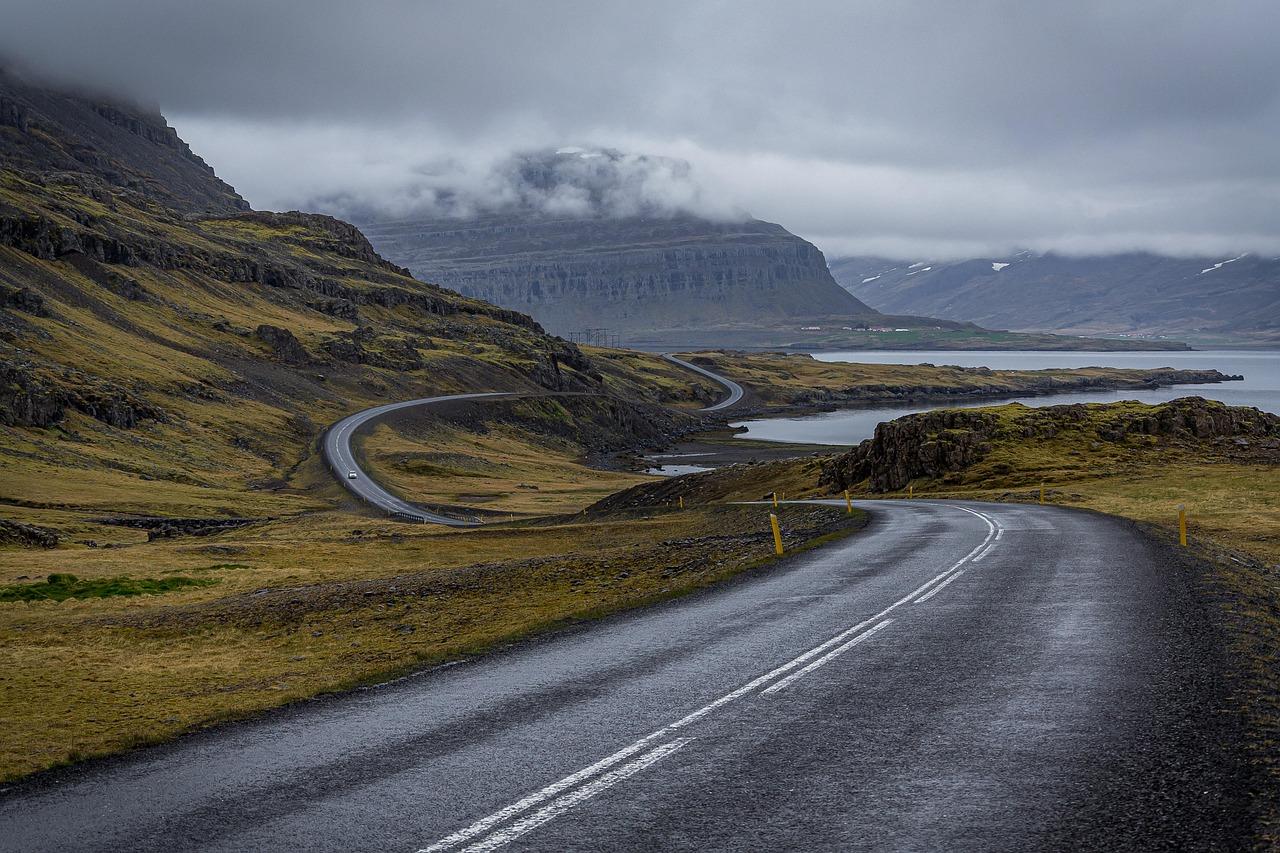
Photographer Dougie Wallace has spent 60 days and 5,000 miles on a Scotland photography project called 'Ma Wee Tin o' Shortbreid' - Scots for 'my little tin of shortbread' - touring the Highlands by camper van.
Ma Wee Tin o' Shortbreid: Dougie Wallace's search for the real Highlands
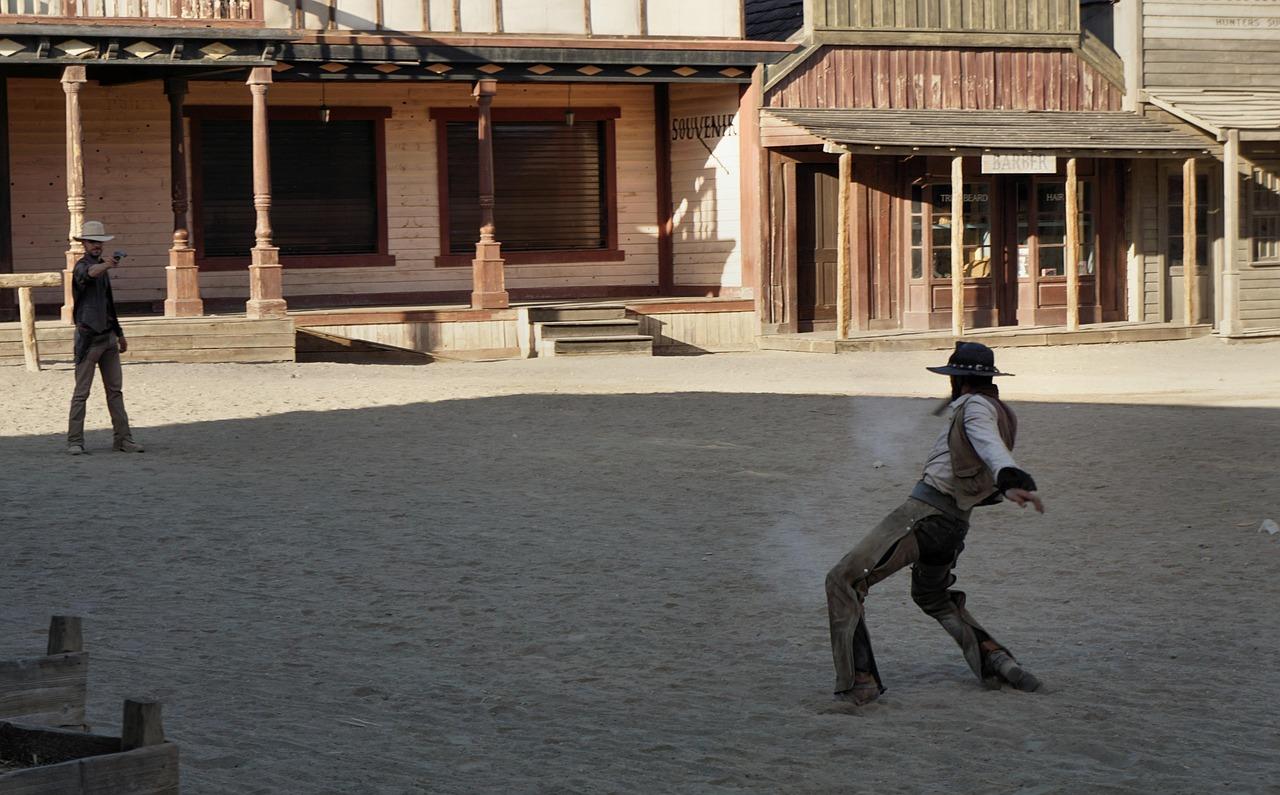
Dougie Wallace's latest project, titled Ma Wee Tin o' Shortbreid, is a Scottish Highlands photography series built the slow way: 60 days and 5,000 miles so far, much of it behind the wheel of a camper van, a good stretch of it stuck behind a motorhome. The work grew out of Weather Permitting, his earlier photographs of Scotland's ski centres.
A title that began as a warning
The Scots phrase means 'my little tin of shortbread', and Wallace says the name was chosen deliberately as a caution. "The title started as a warning to myself: don't make the Highlands look like a tin of shortbread," he said. The tins of his childhood carried a fixed image: a castle beside a loch, a stag, a Highland coo and plenty of tartan, always under sun.
One moment at Eilean Donan Castle settled the title for him. There, at a spot he describes as about as biscuit-tin lid as it gets, he photographed a Chinese tourist under a small umbrella, remaking the famous view for her own picture.
"I set out not to photograph the shortbread tin. I kept finding people trying to climb inside it," Wallace said.
The road: Skye five times, the NC500 both ways
The mileage behind the numbers is specific. Over the course of the project Wallace has:
- been to Skye five times
- driven the North Coast 500 (NC500) road in both directions
The NC500 itself is a young invention. It was launched in 2015 to sell 516 miles of road as empty, and by that measure, as Wallace notes, it worked. The route has carried its name as a tourist draw for just over a decade.
Crowds at the lochside
What Wallace found along the way was overtourism in Scotland in concrete form. Buses leave Edinburgh every morning to do the Highlands in a day, with most of that day spent on the bus. Around Durness, a village of a few hundred residents, the summer pressure was measurable: over one July and August, about 14,000 motorhomes and nearly 11,000 tents pitched within five miles of the village.
He also noted who the visitors were:
- many at famous sites were Chinese and Indian, from countries Britain once ruled, traded with or fought
- in what felt like London's hottest summer ever, Londoners drove north to find the cold and wet
The crowds sit against a shrinking local population. Tourism needs workers who can afford to live nearby, Wallace says, but the twin pressures he sums up as 'No Motorhomes' and 'No More Homes' close in from both sides. "Between No Motorhomes and No More Homes, it's getting harder for anyone to stay," he said.
Empty glens and returning eagles
For Wallace, the emptiness of the glens reaches further back than any tour bus. He connects it to the Highland Clearances, when Highland regiments fought the empire's wars while the glens were cleared for sheep and sporting estates.
The wildlife tells its own story of loss and return. Sea eagles were shot to extinction in Britain, the last one killed in Shetland in 1918. Brought back from Norway in the 1970s, they are now one of the island's biggest draws for visitors.
Wallace places himself inside the picture. Travelling this way, he says, he is part of what he photographs, using the same roads, ferries and overnight stops as everyone else. The pictures, in his words, are about the gap between Scotland as advertised and the place people find.