Louise Cansot, the girl of 100 portraits: how two writers agreed to tell her story in two books
CULTURE · BOOKS

Louise Cansot, the girl of 100 portraits: how two writers agreed to tell her story in two books

Louise Cansot, the Paris artists' model known as "the girl of 100 portraits", murdered in 1949, is now the subject of two books published on the same day: Philippe Jaenada's Prix Goncourt-winning L'Inconnue du Quai de Javel and Luc Corlouër's La Tragédie du plus beau modèle de Paris.

By LiveDigestPublished Sunday, November 8, 2026 · 16:33 GMT | 5 min read

Louise Cansot, the girl of 100 portraits: how two writers agreed to tell her story in two books

The story of the Paris artists' model murder of 1949 reached readers twice this summer, and by an unusual arrangement. Luc Corlouër, a writer from the Breton village where Louise Cansot was born, had spent decades researching her life and death before Philippe Jaenada turned the case into the novel that won this year's Prix Goncourt. Rather than compete, the two men agreed to publish separately - and Corlouër gave Jaenada his research.

01 / BOOKS

The deal between two writers

Corlouër had already spent years assembling material on Cansot when Jaenada entered the picture. The two met at a literary salon, and later Jaenada got in touch with a proposal, as Corlouër recalled: "He told me he was interested in the case but said he wouldn't do anything without me."

The arrangement was straightforward: both writers would publish their own books, and Corlouër would hand over his notes. He had no hesitation about it. "By giving him the subject I knew he would make a really superb book. He is a great novelist," Corlouër said. Jaenada, he added, went through everything he had collected and found angles he had never considered.

02 / BOOKS

From Tréguier to Montparnasse

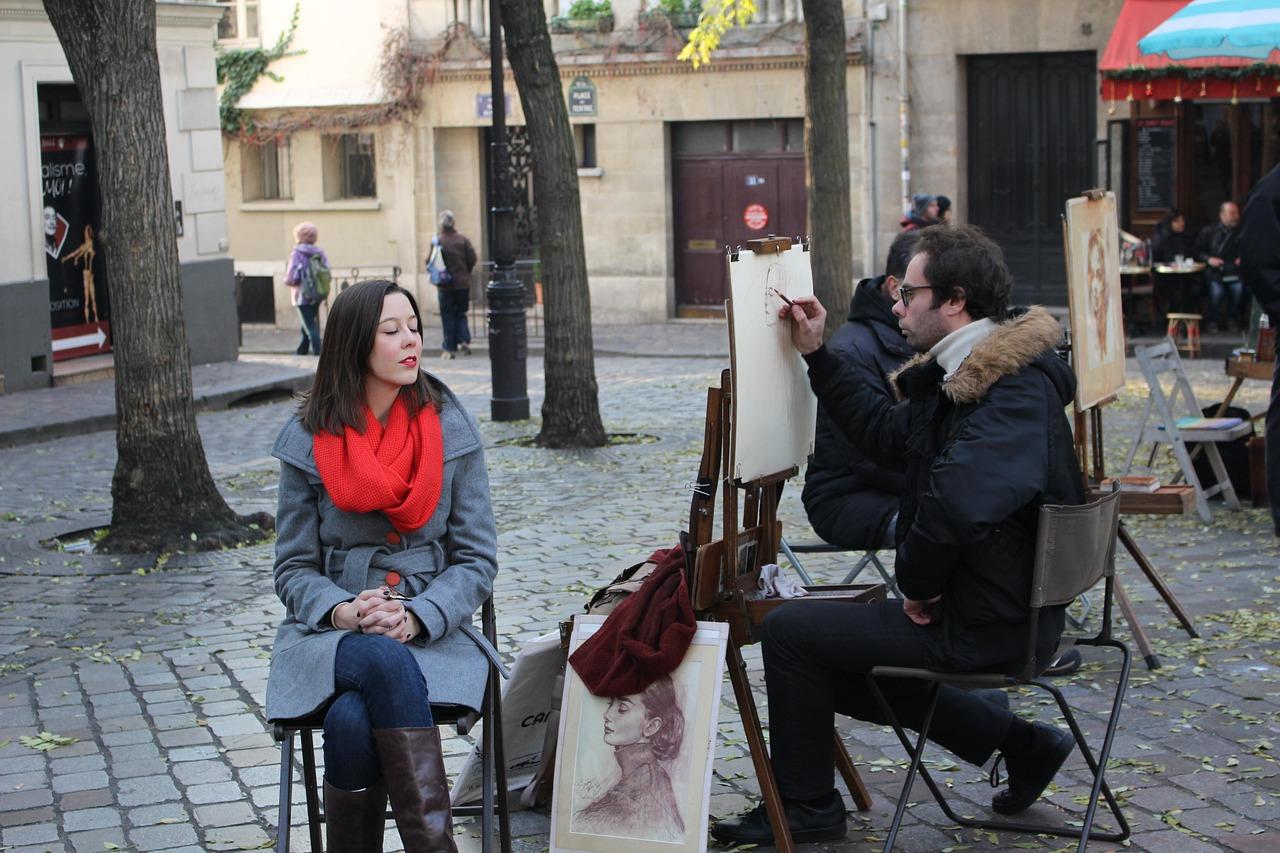
Cansot, nicknamed Lise, was born in Tréguier in Côtes-d'Armor, in north-west France, the daughter of a shoe repairer. In 1937, aged 16, she left her family for Paris, where artists in Montparnasse competed to have her pose. It was there she was immortalised as "the girl of 100 portraits".

  • When the war came and most artists fled south, she stayed in Paris, working as a film extra, a waiter and a dancer at the Folies Bergère.
  • She had a five-year-old daughter, Nathalie, left with a nanny in the suburbs while Cansot tried to save for an apartment.

She became the subject of the novel that won France's most prestigious literary prize this year - but her life ended long before that recognition.

03 / BOOKS

A murder the police filed away

On 7 September 1949, Cansot's body was found on the Quai du Javel - today the Quai André-Citroën - in the 15th arrondissement of Paris. Detectives identified four possible murderers, then rapidly filed the case as unsolved.

The investigation, closed after just four months, had made little effort to find her killer. The 300-page police report concluded she was a woman of "ill repute"; newspapers speculated that she was a sex worker, an alcoholic or a drug addict.

04 / BOOKS

Two books, one rehabilitation

Jaenada, the author of 17 novels, came across the story while looking through old newspapers at the French National Library. His 530-page book, L'Inconnue du Quai de Javel (The Unknown Woman of the Quai de Javel), portrays the victim sympathetically and suggests the name of the man he believes strangled her after inviting her to visit a flat she hoped to rent. To immerse himself in 1940s Paris, he read 74 of Georges Simenon's 75 Inspector Maigret novels.

Corlouër's path had started much earlier. In 1981, an elderly woman at Tréguier's war memorial told him about Annick Cansot, a local girl run over by a German truck during the war, and mentioned that her older sister had been murdered in Paris.

He went on to amass maps, photos, paintings, documents, letters and newspaper cuttings on the case, and wrote a novel about the investigation - but because it did not identify the murderer, publisher after publisher rejected it. On 19 August, his book La Tragédie du plus beau modèle de Paris (The Tragedy of the Most Beautiful Paris Model) at last reached print, sharing a publication date with Jaenada's novel.

For Corlouër, the point was to set the record straight about a woman he describes as ahead of her time: well dressed, intelligent and free in her choice of lovers. The police and journalists of the era judged her libertine and an unmarried mother with improper jobs, concluding she had brought what happened on herself.

"In the police report it's more or less written that she deserved it. And the defamation continued after her murder."

That is Corlouër speaking, and he says the two authors set out to rehabilitate Cansot's reputation after 77 years of slander.

They also traced her daughter. Nathalie, now 80, had been raised by another sister, Valentine, and was told for years by her aunt - jealous of Lise - that her mother was disreputable. When the writers found her, the first thing she said was that she did not want to hear a word about her mother and that Lise was a prostitute. She was astonished to learn this was untrue, Corlouër said, and did not cry.

Both books came out on 19 August. "So there is a kind of happy ending to this tragic story," Corlouër said.
Louise Cansot, the girl of 100 portraits: how two writers agreed to tell her story in two books
CULTURE · BOOKS

Louise Cansot, the girl of 100 portraits: how two writers agreed to tell her story in two books

Louise Cansot, the Paris artists' model known as "the girl of 100 portraits", murdered in 1949, is now the subject of two books published on the same day: Philippe Jaenada's Prix Goncourt-winning L'Inconnue du Quai de Javel and Luc Corlouër's La Tragédie du plus beau modèle de Paris.

By LiveDigestPublished Sunday, November 8, 2026 · 16:33 GMT | 5 min read

Louise Cansot, the girl of 100 portraits: how two writers agreed to tell her story in two books

The story of the Paris artists' model murder of 1949 reached readers twice this summer, and by an unusual arrangement. Luc Corlouër, a writer from the Breton village where Louise Cansot was born, had spent decades researching her life and death before Philippe Jaenada turned the case into the novel that won this year's Prix Goncourt. Rather than compete, the two men agreed to publish separately - and Corlouër gave Jaenada his research.

01 / BOOKS

The deal between two writers

Corlouër had already spent years assembling material on Cansot when Jaenada entered the picture. The two met at a literary salon, and later Jaenada got in touch with a proposal, as Corlouër recalled: "He told me he was interested in the case but said he wouldn't do anything without me."

The arrangement was straightforward: both writers would publish their own books, and Corlouër would hand over his notes. He had no hesitation about it. "By giving him the subject I knew he would make a really superb book. He is a great novelist," Corlouër said. Jaenada, he added, went through everything he had collected and found angles he had never considered.

02 / BOOKS

From Tréguier to Montparnasse

Cansot, nicknamed Lise, was born in Tréguier in Côtes-d'Armor, in north-west France, the daughter of a shoe repairer. In 1937, aged 16, she left her family for Paris, where artists in Montparnasse competed to have her pose. It was there she was immortalised as "the girl of 100 portraits".

  • When the war came and most artists fled south, she stayed in Paris, working as a film extra, a waiter and a dancer at the Folies Bergère.
  • She had a five-year-old daughter, Nathalie, left with a nanny in the suburbs while Cansot tried to save for an apartment.

She became the subject of the novel that won France's most prestigious literary prize this year - but her life ended long before that recognition.

03 / BOOKS

A murder the police filed away

On 7 September 1949, Cansot's body was found on the Quai du Javel - today the Quai André-Citroën - in the 15th arrondissement of Paris. Detectives identified four possible murderers, then rapidly filed the case as unsolved.

The investigation, closed after just four months, had made little effort to find her killer. The 300-page police report concluded she was a woman of "ill repute"; newspapers speculated that she was a sex worker, an alcoholic or a drug addict.

04 / BOOKS

Two books, one rehabilitation

Jaenada, the author of 17 novels, came across the story while looking through old newspapers at the French National Library. His 530-page book, L'Inconnue du Quai de Javel (The Unknown Woman of the Quai de Javel), portrays the victim sympathetically and suggests the name of the man he believes strangled her after inviting her to visit a flat she hoped to rent. To immerse himself in 1940s Paris, he read 74 of Georges Simenon's 75 Inspector Maigret novels.

Corlouër's path had started much earlier. In 1981, an elderly woman at Tréguier's war memorial told him about Annick Cansot, a local girl run over by a German truck during the war, and mentioned that her older sister had been murdered in Paris.

He went on to amass maps, photos, paintings, documents, letters and newspaper cuttings on the case, and wrote a novel about the investigation - but because it did not identify the murderer, publisher after publisher rejected it. On 19 August, his book La Tragédie du plus beau modèle de Paris (The Tragedy of the Most Beautiful Paris Model) at last reached print, sharing a publication date with Jaenada's novel.

For Corlouër, the point was to set the record straight about a woman he describes as ahead of her time: well dressed, intelligent and free in her choice of lovers. The police and journalists of the era judged her libertine and an unmarried mother with improper jobs, concluding she had brought what happened on herself.

That is Corlouër speaking, and he says the two authors set out to rehabilitate Cansot's reputation after 77 years of slander.

They also traced her daughter. Nathalie, now 80, had been raised by another sister, Valentine, and was told for years by her aunt - jealous of Lise - that her mother was disreputable. When the writers found her, the first thing she said was that she did not want to hear a word about her mother and that Lise was a prostitute. She was astonished to learn this was untrue, Corlouër said, and did not cry.

Both books came out on 19 August. "So there is a kind of happy ending to this tragic story," Corlouër said.

"In the police report it's more or less written that she deserved it. And the defamation continued after her murder."
Louise Cansot, the girl of 100 portraits: how two writers agreed to tell her story in two books
CULTURE · BOOKS

Louise Cansot, the girl of 100 portraits: how two writers agreed to tell her story in two books

By LiveDigest

Louise Cansot, the girl of 100 portraits: how two writers agreed to tell her story in two books

The story of the Paris artists' model murder of 1949 reached readers twice this summer, and by an unusual arrangement. Luc Corlouër, a writer from the Breton village where Louise Cansot was born, had spent decades researching her life and death before Philippe Jaenada turned the case into the novel that won this year's Prix Goncourt. Rather than compete, the two men agreed to publish separately - and Corlouër gave Jaenada his research.

01 / BOOKS

The deal between two writers

Corlouër had already spent years assembling material on Cansot when Jaenada entered the picture. The two met at a literary salon, and later Jaenada got in touch with a proposal, as Corlouër recalled: "He told me he was interested in the case but said he wouldn't do anything without me."

The arrangement was straightforward: both writers would publish their own books, and Corlouër would hand over his notes. He had no hesitation about it. "By giving him the subject I knew he would make a really superb book. He is a great novelist," Corlouër said. Jaenada, he added, went through everything he had collected and found angles he had never considered.

02 / BOOKS

From Tréguier to Montparnasse

Cansot, nicknamed Lise, was born in Tréguier in Côtes-d'Armor, in north-west France, the daughter of a shoe repairer. In 1937, aged 16, she left her family for Paris, where artists in Montparnasse competed to have her pose. It was there she was immortalised as "the girl of 100 portraits".

  • When the war came and most artists fled south, she stayed in Paris, working as a film extra, a waiter and a dancer at the Folies Bergère.
  • She had a five-year-old daughter, Nathalie, left with a nanny in the suburbs while Cansot tried to save for an apartment.

She became the subject of the novel that won France's most prestigious literary prize this year - but her life ended long before that recognition.

03 / BOOKS

A murder the police filed away

On 7 September 1949, Cansot's body was found on the Quai du Javel - today the Quai André-Citroën - in the 15th arrondissement of Paris. Detectives identified four possible murderers, then rapidly filed the case as unsolved.

The investigation, closed after just four months, had made little effort to find her killer. The 300-page police report concluded she was a woman of "ill repute"; newspapers speculated that she was a sex worker, an alcoholic or a drug addict.

04 / BOOKS

Two books, one rehabilitation

Jaenada, the author of 17 novels, came across the story while looking through old newspapers at the French National Library. His 530-page book, L'Inconnue du Quai de Javel (The Unknown Woman of the Quai de Javel), portrays the victim sympathetically and suggests the name of the man he believes strangled her after inviting her to visit a flat she hoped to rent. To immerse himself in 1940s Paris, he read 74 of Georges Simenon's 75 Inspector Maigret novels.

Corlouër's path had started much earlier. In 1981, an elderly woman at Tréguier's war memorial told him about Annick Cansot, a local girl run over by a German truck during the war, and mentioned that her older sister had been murdered in Paris.

He went on to amass maps, photos, paintings, documents, letters and newspaper cuttings on the case, and wrote a novel about the investigation - but because it did not identify the murderer, publisher after publisher rejected it. On 19 August, his book La Tragédie du plus beau modèle de Paris (The Tragedy of the Most Beautiful Paris Model) at last reached print, sharing a publication date with Jaenada's novel.

For Corlouër, the point was to set the record straight about a woman he describes as ahead of her time: well dressed, intelligent and free in her choice of lovers. The police and journalists of the era judged her libertine and an unmarried mother with improper jobs, concluding she had brought what happened on herself.

That is Corlouër speaking, and he says the two authors set out to rehabilitate Cansot's reputation after 77 years of slander.

They also traced her daughter. Nathalie, now 80, had been raised by another sister, Valentine, and was told for years by her aunt - jealous of Lise - that her mother was disreputable. When the writers found her, the first thing she said was that she did not want to hear a word about her mother and that Lise was a prostitute. She was astonished to learn this was untrue, Corlouër said, and did not cry.

Both books came out on 19 August. "So there is a kind of happy ending to this tragic story," Corlouër said.

"In the police report it's more or less written that she deserved it. And the defamation continued after her murder."