Heritage at risk register grows by 197 sites, from Hastings Castle to Dickens' chalet
CULTURE · MEDIA

Heritage at risk register grows by 197 sites, from Hastings Castle to Dickens' chalet

Historic England added 197 historic places to its heritage at risk register, with new entries including Hastings Castle, Charles Dickens' writing chalet in Rochester and Fylingdales Moor, hit by the 2025 wildfire.

By LiveDigestPublished Thursday, November 5, 2026 · 06:26 GMT | 3 min read

Heritage at risk register grows by 197 sites, from Hastings Castle to Dickens' chalet

01 / MEDIA

Norman castle under threat from weather and erosion

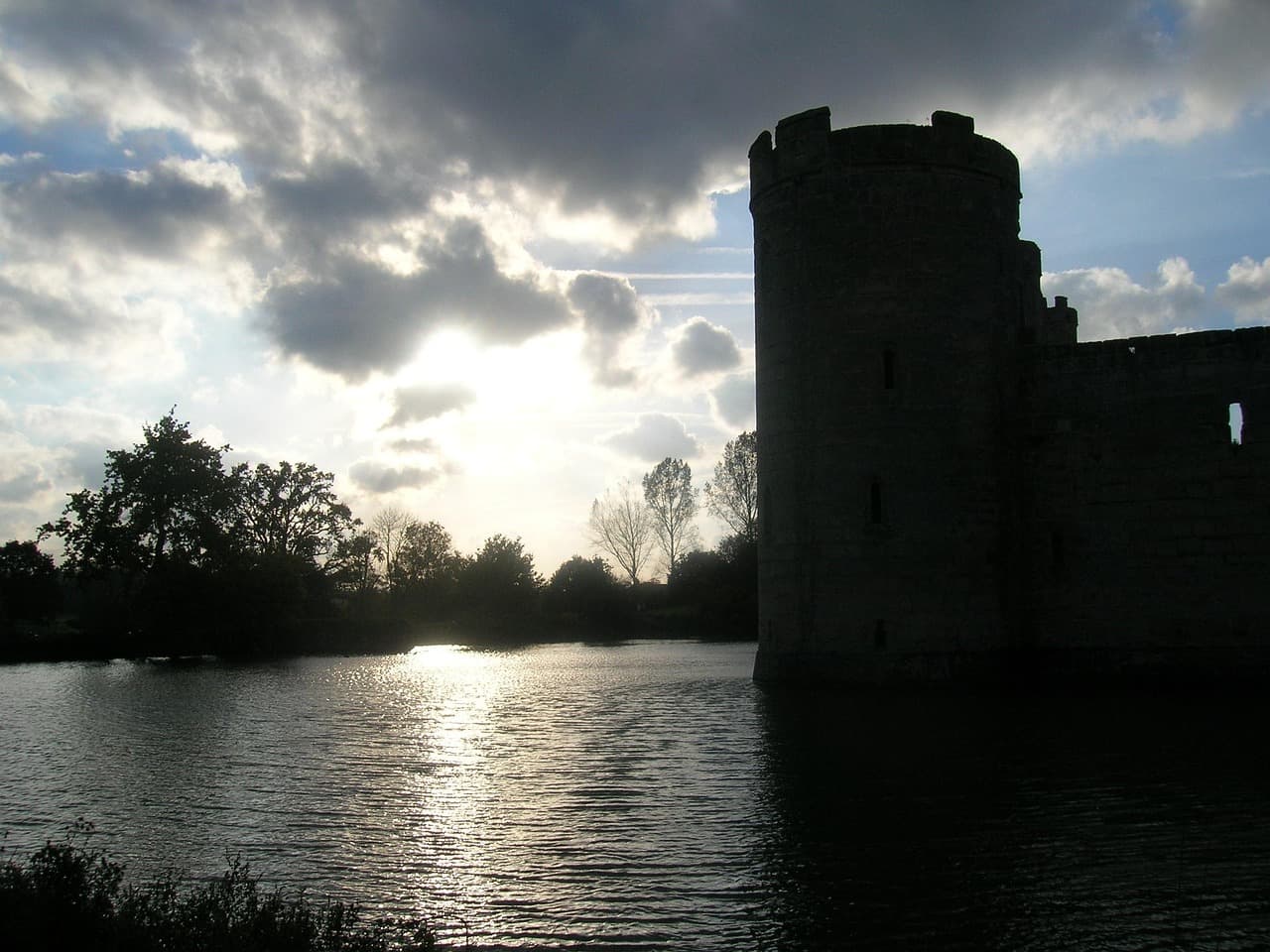
Hastings Castle stands in East Sussex as one of the fortifications William the Conqueror commissioned after the Norman invasion of 1066 to secure his hold on the English south coast. Historic England said the ruin's exposed setting and coastal erosion had long shaped it, and that sections had recently become vulnerable because of extreme weather events.

Emma Squire, joint chief executive of Historic England, said the register shows that even celebrated buildings are not safe from harm.

"It highlights that even places regarded as very special can sometimes be at risk of decay or loss."

She noted that extreme weather and coastal erosion were running themes this year, and that water ingress and subsidence now appear more often because of changing weather patterns. Some of the strain is put down to the climate emergency, with hotter summers and stormier winters placing treasured places in greater peril.

02 / MEDIA

Dickens' chalet and other new entries

Among the additions is the wooden two-storey chalet in Rochester, Kent, where Charles Dickens wrote. It has been listed because it is judged fragile and in need of repair. The chalet originally stood in the garden of Gads Hill Place in Higham, Kent, and was moved to Rochester in the 1960s. Dickens is thought to have positioned mirrors inside to help him rehearse for public performances and develop new characters.

Other notable entries include:

  • Hall's Croft in Stratford-upon-Avon, Warwickshire, home of Shakespeare's daughter, added because funding is needed for repairs, including damage caused when it was hit by a vehicle.
  • Bidston windmill in Wirral, Merseyside, an 18th-century structure needing urgent repairs; a friends group keeps it open.
03 / MEDIA

Fylingdales Moor assessed by drone

The 2025 Fylingdales Moor wildfire damaged about 25 sq km of moorland and forest, according to North Yorkshire fire and rescue service. Historic England is working with the North York Moors National Park Authority, using drones to help assess the damage to the moor.

04 / MEDIA

Sites saved and grants spent

The register also shrank at the other end: Historic England said 85 sites had been "saved" and removed, among them:

  • Newlyn harbour in Cornwall, where local specialists restored the granite structures and 19th-century wrought iron railings.
  • 810 Tottenham High Road, a Georgian terrace house in Haringey, north London, saved from dereliction by Tottenham Hotspur FC with support from the National Lottery Heritage Fund and now a creative hub.
  • Edward Jenner's hut in Berkeley, Gloucestershire, a rustic summerhouse described as the site of the world's first vaccination clinic.

During 2025-26, Historic England spent more than £12m on grants for support and repairs to 135 sites on the register. Almost 5,000 sites remain on the list, including 1,500 secular buildings, 1,000 places of worship, three battlefields and four wrecks.

On the pressures behind the additions, heritage minister Fiona Twycross said the register matters beyond its list.

"This year's register is an important reminder of the pressures facing our historic environment, from ageing buildings and structural deterioration."

She pointed further to the impacts of extreme weather on the historic environment.
Heritage at risk register grows by 197 sites, from Hastings Castle to Dickens' chalet
CULTURE · MEDIA

Heritage at risk register grows by 197 sites, from Hastings Castle to Dickens' chalet

Historic England added 197 historic places to its heritage at risk register, with new entries including Hastings Castle, Charles Dickens' writing chalet in Rochester and Fylingdales Moor, hit by the 2025 wildfire.

By LiveDigestPublished Thursday, November 5, 2026 · 06:26 GMT | 3 min read

Heritage at risk register grows by 197 sites, from Hastings Castle to Dickens' chalet

01 / MEDIA

Norman castle under threat from weather and erosion

Hastings Castle stands in East Sussex as one of the fortifications William the Conqueror commissioned after the Norman invasion of 1066 to secure his hold on the English south coast. Historic England said the ruin's exposed setting and coastal erosion had long shaped it, and that sections had recently become vulnerable because of extreme weather events.

Emma Squire, joint chief executive of Historic England, said the register shows that even celebrated buildings are not safe from harm.

She noted that extreme weather and coastal erosion were running themes this year, and that water ingress and subsidence now appear more often because of changing weather patterns. Some of the strain is put down to the climate emergency, with hotter summers and stormier winters placing treasured places in greater peril.

"It highlights that even places regarded as very special can sometimes be at risk of decay or loss."
02 / MEDIA

Dickens' chalet and other new entries

Among the additions is the wooden two-storey chalet in Rochester, Kent, where Charles Dickens wrote. It has been listed because it is judged fragile and in need of repair. The chalet originally stood in the garden of Gads Hill Place in Higham, Kent, and was moved to Rochester in the 1960s. Dickens is thought to have positioned mirrors inside to help him rehearse for public performances and develop new characters.

Other notable entries include:

  • Hall's Croft in Stratford-upon-Avon, Warwickshire, home of Shakespeare's daughter, added because funding is needed for repairs, including damage caused when it was hit by a vehicle.
  • Bidston windmill in Wirral, Merseyside, an 18th-century structure needing urgent repairs; a friends group keeps it open.
03 / MEDIA

Fylingdales Moor assessed by drone

The 2025 Fylingdales Moor wildfire damaged about 25 sq km of moorland and forest, according to North Yorkshire fire and rescue service. Historic England is working with the North York Moors National Park Authority, using drones to help assess the damage to the moor.

04 / MEDIA

Sites saved and grants spent

The register also shrank at the other end: Historic England said 85 sites had been "saved" and removed, among them:

  • Newlyn harbour in Cornwall, where local specialists restored the granite structures and 19th-century wrought iron railings.
  • 810 Tottenham High Road, a Georgian terrace house in Haringey, north London, saved from dereliction by Tottenham Hotspur FC with support from the National Lottery Heritage Fund and now a creative hub.
  • Edward Jenner's hut in Berkeley, Gloucestershire, a rustic summerhouse described as the site of the world's first vaccination clinic.

During 2025-26, Historic England spent more than £12m on grants for support and repairs to 135 sites on the register. Almost 5,000 sites remain on the list, including 1,500 secular buildings, 1,000 places of worship, three battlefields and four wrecks.

On the pressures behind the additions, heritage minister Fiona Twycross said the register matters beyond its list.

She pointed further to the impacts of extreme weather on the historic environment.
"This year's register is an important reminder of the pressures facing our historic environment, from ageing buildings and structural deterioration."
Heritage at risk register grows by 197 sites, from Hastings Castle to Dickens' chalet
CULTURE · MEDIA

Heritage at risk register grows by 197 sites, from Hastings Castle to Dickens' chalet

By LiveDigest

Heritage at risk register grows by 197 sites, from Hastings Castle to Dickens' chalet

01 / MEDIA

Norman castle under threat from weather and erosion

Hastings Castle stands in East Sussex as one of the fortifications William the Conqueror commissioned after the Norman invasion of 1066 to secure his hold on the English south coast. Historic England said the ruin's exposed setting and coastal erosion had long shaped it, and that sections had recently become vulnerable because of extreme weather events.

Emma Squire, joint chief executive of Historic England, said the register shows that even celebrated buildings are not safe from harm.

She noted that extreme weather and coastal erosion were running themes this year, and that water ingress and subsidence now appear more often because of changing weather patterns. Some of the strain is put down to the climate emergency, with hotter summers and stormier winters placing treasured places in greater peril.

"It highlights that even places regarded as very special can sometimes be at risk of decay or loss."
02 / MEDIA

Dickens' chalet and other new entries

Among the additions is the wooden two-storey chalet in Rochester, Kent, where Charles Dickens wrote. It has been listed because it is judged fragile and in need of repair. The chalet originally stood in the garden of Gads Hill Place in Higham, Kent, and was moved to Rochester in the 1960s. Dickens is thought to have positioned mirrors inside to help him rehearse for public performances and develop new characters.

Other notable entries include:

  • Hall's Croft in Stratford-upon-Avon, Warwickshire, home of Shakespeare's daughter, added because funding is needed for repairs, including damage caused when it was hit by a vehicle.
  • Bidston windmill in Wirral, Merseyside, an 18th-century structure needing urgent repairs; a friends group keeps it open.
03 / MEDIA

Fylingdales Moor assessed by drone

The 2025 Fylingdales Moor wildfire damaged about 25 sq km of moorland and forest, according to North Yorkshire fire and rescue service. Historic England is working with the North York Moors National Park Authority, using drones to help assess the damage to the moor.

04 / MEDIA

Sites saved and grants spent

The register also shrank at the other end: Historic England said 85 sites had been "saved" and removed, among them:

  • Newlyn harbour in Cornwall, where local specialists restored the granite structures and 19th-century wrought iron railings.
  • 810 Tottenham High Road, a Georgian terrace house in Haringey, north London, saved from dereliction by Tottenham Hotspur FC with support from the National Lottery Heritage Fund and now a creative hub.
  • Edward Jenner's hut in Berkeley, Gloucestershire, a rustic summerhouse described as the site of the world's first vaccination clinic.

During 2025-26, Historic England spent more than £12m on grants for support and repairs to 135 sites on the register. Almost 5,000 sites remain on the list, including 1,500 secular buildings, 1,000 places of worship, three battlefields and four wrecks.

On the pressures behind the additions, heritage minister Fiona Twycross said the register matters beyond its list.

She pointed further to the impacts of extreme weather on the historic environment.

"This year's register is an important reminder of the pressures facing our historic environment, from ageing buildings and structural deterioration."