CD comeback: searches and sales rise as listeners turn back to discs
CULTURE · MUSIC

CD comeback: searches and sales rise as listeners turn back to discs

Searches for CD players at John Lewis have risen 96% since July, and a report on this year's music and film trends found CD sales are up 16%, as collectors explain why they never left the format or are returning to it.

By LiveDigestPublished Thursday, October 29, 2026 · 14:05 GMT | 3 min read

CD comeback: searches and sales rise as listeners turn back to discs

01 / MUSIC

Searches and sales point upward

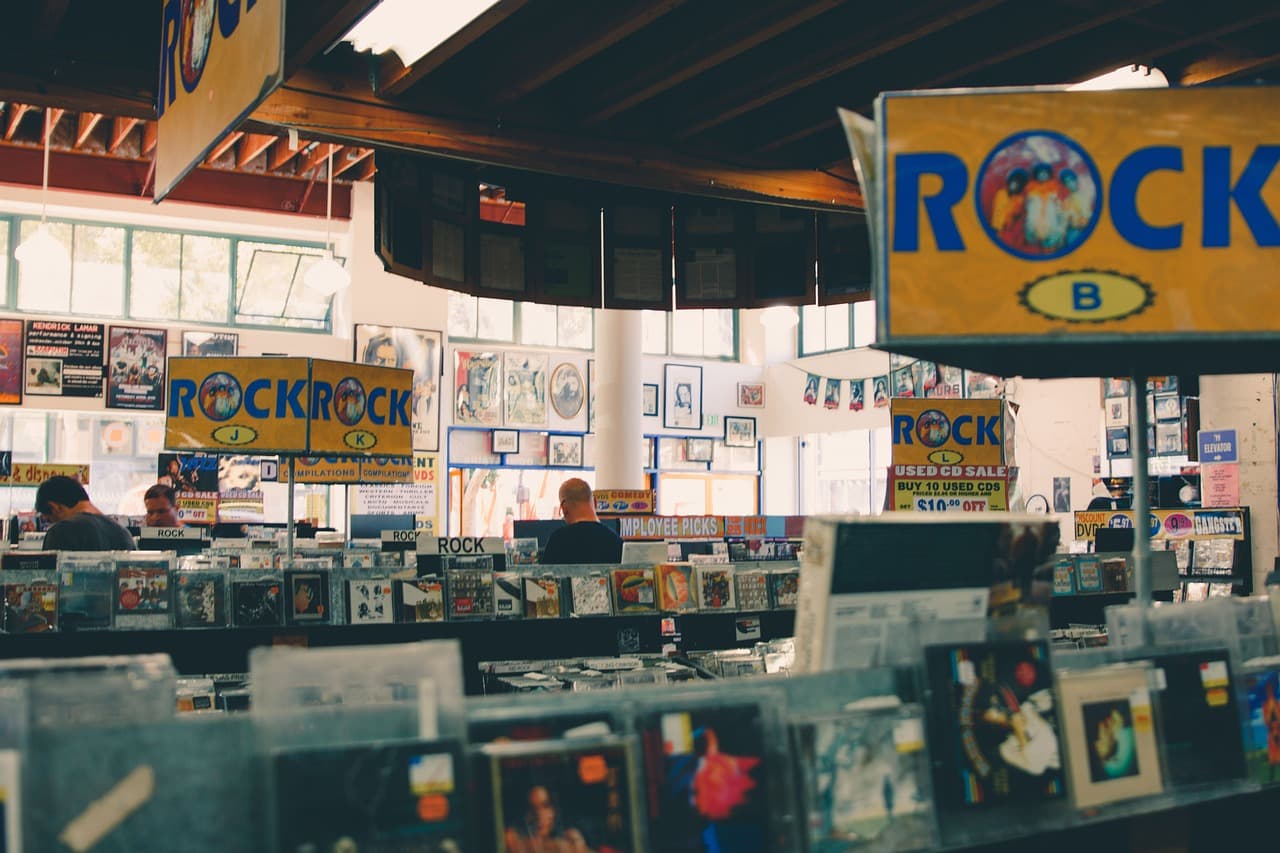
The CD comeback has two fresh market signals behind it. John Lewis said searches for CD players are up 96% since July, and a report on trends in music and film this year found that CD sales are up 16%. Behind the numbers stand listeners with very different histories: some have never stopped collecting, while others have arrived at discs only in the past year.

02 / MUSIC

Long-time collectors who stayed

Andrew Wales, 67, from London, owns "well over 10,000" CDs, with some stored in the next bedroom and the corridor. He bought his first CD in 1991 – John Scofield's Meant to Be – around the time he bought his first CD player. He also holds about 2,000 LPs, a few hundred cassettes and a growing number of Blu-rays. Much of the classical music he buys and listens to is available only on CD, and he notes that LPs had become shoddy in pressing and presentation.

Neil Cumming, 53, from Gloucester, has been collecting since 1988 and owns several hundred CDs spanning classical, folk, rock and blues. He buys CDs directly from small indie and folk bands when he can, so they get a bigger share of his money than through music streaming, and because owning a disc is permanent. He is not against streaming, though.

"It's quite good for trying music before you buy CDs or finding new acts."

Ed, 63, from London, bought his first CDs in 1986 – Genesis's Invisible Touch and Level 42's World Machine – and never stopped. He was once put off because CDs sounded too bright and shiny compared with vinyl, but in the past two years he has bought more of them for their "almost throwaway prices against the excessive costs of vinyl".

03 / MUSIC

Newcomers and the case against streaming

Gabriela Crowley, 32, from San Jose, California, started listening to CDs only over the last year. After having a baby, she and her family found they were barely playing their records, so her father-in-law gave them an old CD player. A CD collection, she says, helps with the "paradox of choice" that streaming brings, and she dislikes autoplay and AI-generated playlists.

In Toronto, Asha Varadharajan, 65, has owned her CD player since 1999; it plays five CDs at a time in any order she chooses. She also says CDs are hard to damage, unlike the vinyl albums she feared scratching as a child.

"I think algorithms make everything predictable, but everybody's taste is kind of random."

Streaming, in her view, makes music ephemeral.

04 / MUSIC

Why listeners choose discs

The collectors' motives overlap even though their histories differ:

  • Some classical music is available only on CD
  • Buying directly gives artists a bigger share of the money, and ownership is permanent
  • Discs are hard to damage, unlike vinyl
  • A shelf of discs counters the "paradox of choice" of streaming, with its autoplay and AI-generated playlists

For Varadharajan, that last point is the core of it: algorithms make everything predictable, while people's taste is random. The market signals suggest more listeners than before agree.

CD comeback: searches and sales rise as listeners turn back to discs
CULTURE · MUSIC

CD comeback: searches and sales rise as listeners turn back to discs

Searches for CD players at John Lewis have risen 96% since July, and a report on this year's music and film trends found CD sales are up 16%, as collectors explain why they never left the format or are returning to it.

By LiveDigestPublished Thursday, October 29, 2026 · 14:05 GMT | 3 min read

CD comeback: searches and sales rise as listeners turn back to discs

01 / MUSIC

Searches and sales point upward

The CD comeback has two fresh market signals behind it. John Lewis said searches for CD players are up 96% since July, and a report on trends in music and film this year found that CD sales are up 16%. Behind the numbers stand listeners with very different histories: some have never stopped collecting, while others have arrived at discs only in the past year.

02 / MUSIC

Long-time collectors who stayed

Andrew Wales, 67, from London, owns "well over 10,000" CDs, with some stored in the next bedroom and the corridor. He bought his first CD in 1991 – John Scofield's Meant to Be – around the time he bought his first CD player. He also holds about 2,000 LPs, a few hundred cassettes and a growing number of Blu-rays. Much of the classical music he buys and listens to is available only on CD, and he notes that LPs had become shoddy in pressing and presentation.

Neil Cumming, 53, from Gloucester, has been collecting since 1988 and owns several hundred CDs spanning classical, folk, rock and blues. He buys CDs directly from small indie and folk bands when he can, so they get a bigger share of his money than through music streaming, and because owning a disc is permanent. He is not against streaming, though.

Ed, 63, from London, bought his first CDs in 1986 – Genesis's Invisible Touch and Level 42's World Machine – and never stopped. He was once put off because CDs sounded too bright and shiny compared with vinyl, but in the past two years he has bought more of them for their "almost throwaway prices against the excessive costs of vinyl".

"It's quite good for trying music before you buy CDs or finding new acts."
03 / MUSIC

Newcomers and the case against streaming

Gabriela Crowley, 32, from San Jose, California, started listening to CDs only over the last year. After having a baby, she and her family found they were barely playing their records, so her father-in-law gave them an old CD player. A CD collection, she says, helps with the "paradox of choice" that streaming brings, and she dislikes autoplay and AI-generated playlists.

In Toronto, Asha Varadharajan, 65, has owned her CD player since 1999; it plays five CDs at a time in any order she chooses. She also says CDs are hard to damage, unlike the vinyl albums she feared scratching as a child.

Streaming, in her view, makes music ephemeral.

"I think algorithms make everything predictable, but everybody's taste is kind of random."
04 / MUSIC

Why listeners choose discs

The collectors' motives overlap even though their histories differ:

  • Some classical music is available only on CD
  • Buying directly gives artists a bigger share of the money, and ownership is permanent
  • Discs are hard to damage, unlike vinyl
  • A shelf of discs counters the "paradox of choice" of streaming, with its autoplay and AI-generated playlists

For Varadharajan, that last point is the core of it: algorithms make everything predictable, while people's taste is random. The market signals suggest more listeners than before agree.
CD comeback: searches and sales rise as listeners turn back to discs
CULTURE · MUSIC

CD comeback: searches and sales rise as listeners turn back to discs

By LiveDigest

CD comeback: searches and sales rise as listeners turn back to discs

01 / MUSIC

Searches and sales point upward

The CD comeback has two fresh market signals behind it. John Lewis said searches for CD players are up 96% since July, and a report on trends in music and film this year found that CD sales are up 16%. Behind the numbers stand listeners with very different histories: some have never stopped collecting, while others have arrived at discs only in the past year.

02 / MUSIC

Long-time collectors who stayed

Andrew Wales, 67, from London, owns "well over 10,000" CDs, with some stored in the next bedroom and the corridor. He bought his first CD in 1991 – John Scofield's Meant to Be – around the time he bought his first CD player. He also holds about 2,000 LPs, a few hundred cassettes and a growing number of Blu-rays. Much of the classical music he buys and listens to is available only on CD, and he notes that LPs had become shoddy in pressing and presentation.

Neil Cumming, 53, from Gloucester, has been collecting since 1988 and owns several hundred CDs spanning classical, folk, rock and blues. He buys CDs directly from small indie and folk bands when he can, so they get a bigger share of his money than through music streaming, and because owning a disc is permanent. He is not against streaming, though.

Ed, 63, from London, bought his first CDs in 1986 – Genesis's Invisible Touch and Level 42's World Machine – and never stopped. He was once put off because CDs sounded too bright and shiny compared with vinyl, but in the past two years he has bought more of them for their "almost throwaway prices against the excessive costs of vinyl".

"It's quite good for trying music before you buy CDs or finding new acts."
03 / MUSIC

Newcomers and the case against streaming

Gabriela Crowley, 32, from San Jose, California, started listening to CDs only over the last year. After having a baby, she and her family found they were barely playing their records, so her father-in-law gave them an old CD player. A CD collection, she says, helps with the "paradox of choice" that streaming brings, and she dislikes autoplay and AI-generated playlists.

In Toronto, Asha Varadharajan, 65, has owned her CD player since 1999; it plays five CDs at a time in any order she chooses. She also says CDs are hard to damage, unlike the vinyl albums she feared scratching as a child.

Streaming, in her view, makes music ephemeral.

"I think algorithms make everything predictable, but everybody's taste is kind of random."
04 / MUSIC

Why listeners choose discs

The collectors' motives overlap even though their histories differ:

  • Some classical music is available only on CD
  • Buying directly gives artists a bigger share of the money, and ownership is permanent
  • Discs are hard to damage, unlike vinyl
  • A shelf of discs counters the "paradox of choice" of streaming, with its autoplay and AI-generated playlists

For Varadharajan, that last point is the core of it: algorithms make everything predictable, while people's taste is random. The market signals suggest more listeners than before agree.