Cambridge Dictionary word of the year 2026 is 'human' as AI reshapes language
CULTURE · MEDIA

Cambridge Dictionary word of the year 2026 is 'human' as AI reshapes language

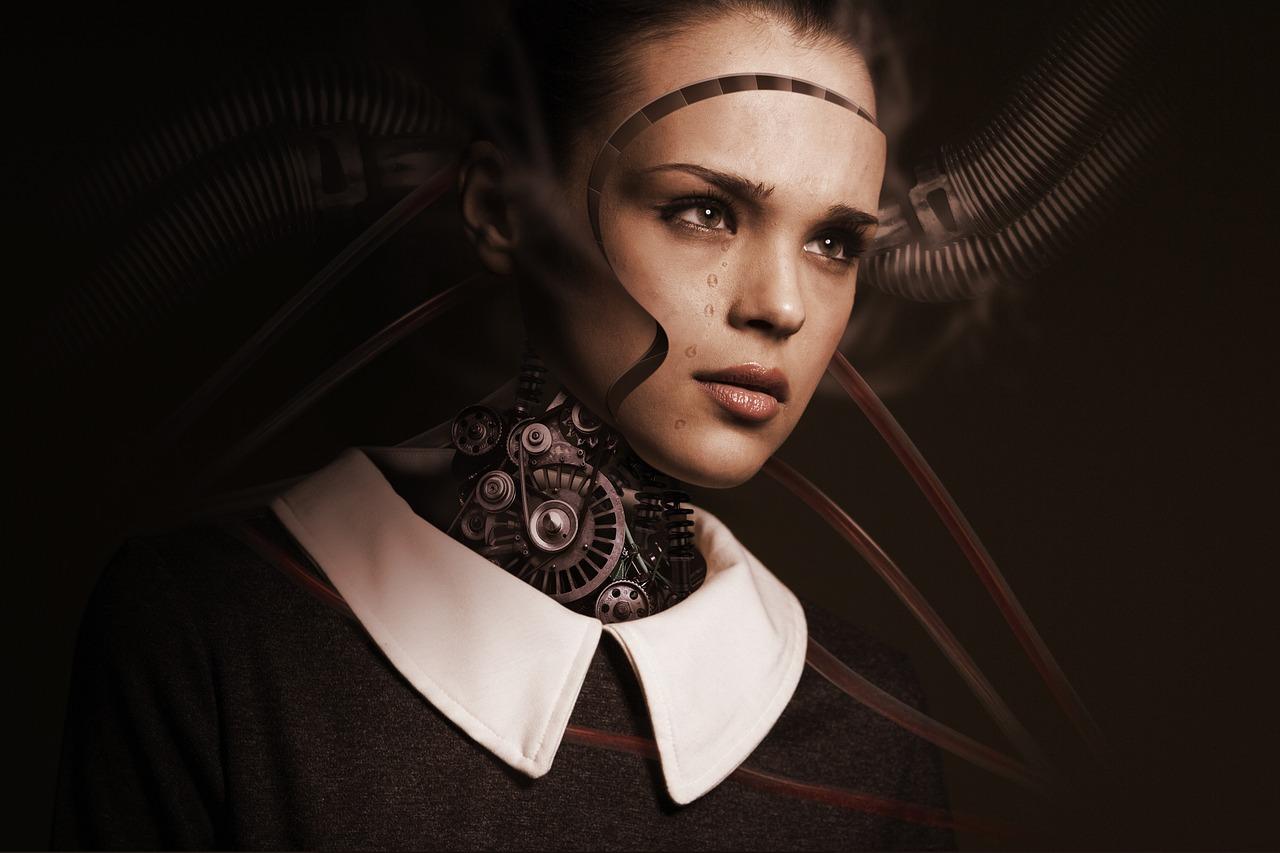
The Cambridge Dictionary word of the year 2026 is 'human'. The editors said breakthroughs in artificial intelligence have made the question of what it means to be human as vexed as ever, and that AI is changing how people talk about being human.

By LiveDigestPublished Wednesday, November 18, 2026 · 05:33 GMT | 3 min read

Cambridge Dictionary word of the year 2026 is 'human' as AI reshapes language

01 / MEDIA

Why 'human' won

The Cambridge Dictionary named "human" its word of the year for 2026, defining it as "having the qualities, faults, and feelings that people have, as opposed to gods, animals, or machines". The choice followed AI breakthroughs, led by ChatGPT's arrival three years earlier, which made the question of what it means to be human as vexed as ever.

"Fears about what humans may lose when we outsource our thinking has made us reconsider the extent to which we rely on AI"

That is Colin McIntosh, an editor of the Cambridge dictionary, who said AI is "changing the way we talk about being human" and has led the word to be used to distinguish human work from that of advanced computer systems. He noted a recent increase in compounds such as "human-made", showing how the word now marks works or qualities of people against those of machines.

02 / MEDIA

The AI debate around the word

The choice lands amid disagreement over whether machines can truly be human-like. Richard Dawkins, the evolutionary biologist, said computers can achieve consciousness, remarking that he was "left with the overwhelming feeling that they are human".

Sceptics counter that there is a vast difference between how a human brain evolves and how an AI system is built.

Prof Rachel Adams, an AI governance and human rights expert at the University of Cambridge, said AI returns people to older questions.

"AI brings us back to questions that we've asked for millennia: who are we, what does it mean to be human?"

She added that the answer has never been fixed or stable, but that the act of asking it is something people have in common.

03 / MEDIA

The shortlist it beat

"Human" came out on top of a shortlist of terms shaped by the AI moment:

  • "agent" - the term for an AI system that can operate, sometimes alarmingly, without human control
  • "analogues" - relating to non-digital activities
  • "wholesome" - describing something likely to improve your life physically, morally, or emotionally
04 / MEDIA

Other new words in the dictionary

Cambridge has also added newer online-era terms to its pages. "Looksmaxxing" describes the act of making oneself as physically attractive as possible, and has been associated with the online manosphere. "Aura farming" is defined as the activity of doing things with the intention of showing a personality that people admire and think is attractive and interesting.

The term made headlines late last year when social media users wondered why Keir Starmer, the former UK prime minister, was "aura farming" with his TikToks, and Andy Burnham also appears to be attempting to master the art after becoming prime minister.

Earlier in November 2026, "mogging" - meaning to outperform or outshine someone or something - was named the Collins word of the year.

Cambridge Dictionary word of the year 2026 is 'human' as AI reshapes language
CULTURE · MEDIA

Cambridge Dictionary word of the year 2026 is 'human' as AI reshapes language

The Cambridge Dictionary word of the year 2026 is 'human'. The editors said breakthroughs in artificial intelligence have made the question of what it means to be human as vexed as ever, and that AI is changing how people talk about being human.

By LiveDigestPublished Wednesday, November 18, 2026 · 05:33 GMT | 3 min read

Cambridge Dictionary word of the year 2026 is 'human' as AI reshapes language

01 / MEDIA

Why 'human' won

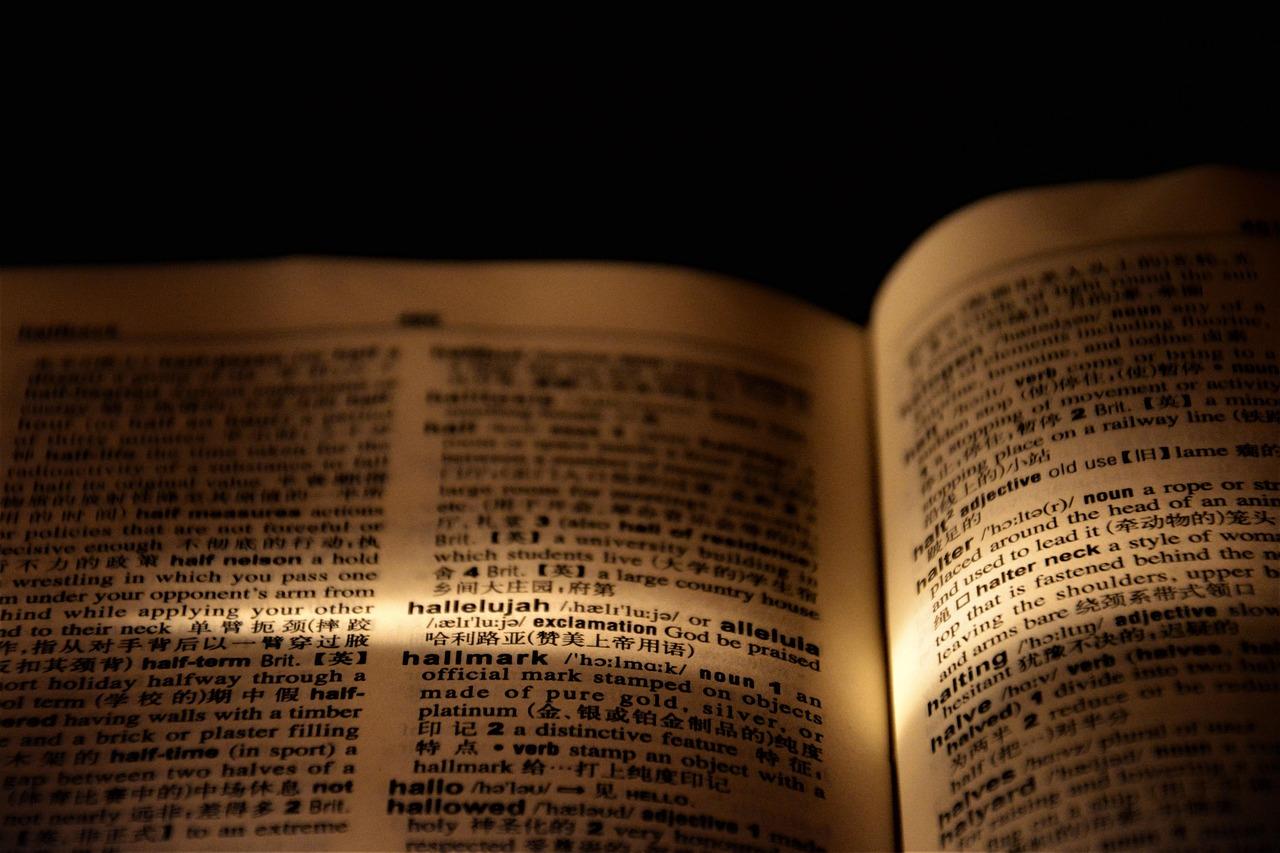
The Cambridge Dictionary named "human" its word of the year for 2026, defining it as "having the qualities, faults, and feelings that people have, as opposed to gods, animals, or machines". The choice followed AI breakthroughs, led by ChatGPT's arrival three years earlier, which made the question of what it means to be human as vexed as ever.

That is Colin McIntosh, an editor of the Cambridge dictionary, who said AI is "changing the way we talk about being human" and has led the word to be used to distinguish human work from that of advanced computer systems. He noted a recent increase in compounds such as "human-made", showing how the word now marks works or qualities of people against those of machines.

"Fears about what humans may lose when we outsource our thinking has made us reconsider the extent to which we rely on AI"
02 / MEDIA

The AI debate around the word

The choice lands amid disagreement over whether machines can truly be human-like. Richard Dawkins, the evolutionary biologist, said computers can achieve consciousness, remarking that he was "left with the overwhelming feeling that they are human".

Sceptics counter that there is a vast difference between how a human brain evolves and how an AI system is built.

Prof Rachel Adams, an AI governance and human rights expert at the University of Cambridge, said AI returns people to older questions.

She added that the answer has never been fixed or stable, but that the act of asking it is something people have in common.

"AI brings us back to questions that we've asked for millennia: who are we, what does it mean to be human?"
03 / MEDIA

The shortlist it beat

"Human" came out on top of a shortlist of terms shaped by the AI moment:

  • "agent" - the term for an AI system that can operate, sometimes alarmingly, without human control
  • "analogues" - relating to non-digital activities
  • "wholesome" - describing something likely to improve your life physically, morally, or emotionally
04 / MEDIA

Other new words in the dictionary

Cambridge has also added newer online-era terms to its pages. "Looksmaxxing" describes the act of making oneself as physically attractive as possible, and has been associated with the online manosphere. "Aura farming" is defined as the activity of doing things with the intention of showing a personality that people admire and think is attractive and interesting.

The term made headlines late last year when social media users wondered why Keir Starmer, the former UK prime minister, was "aura farming" with his TikToks, and Andy Burnham also appears to be attempting to master the art after becoming prime minister.

Earlier in November 2026, "mogging" - meaning to outperform or outshine someone or something - was named the Collins word of the year.
Cambridge Dictionary word of the year 2026 is 'human' as AI reshapes language
CULTURE · MEDIA

Cambridge Dictionary word of the year 2026 is 'human' as AI reshapes language

By LiveDigest

Cambridge Dictionary word of the year 2026 is 'human' as AI reshapes language

01 / MEDIA

Why 'human' won

The Cambridge Dictionary named "human" its word of the year for 2026, defining it as "having the qualities, faults, and feelings that people have, as opposed to gods, animals, or machines". The choice followed AI breakthroughs, led by ChatGPT's arrival three years earlier, which made the question of what it means to be human as vexed as ever.

That is Colin McIntosh, an editor of the Cambridge dictionary, who said AI is "changing the way we talk about being human" and has led the word to be used to distinguish human work from that of advanced computer systems. He noted a recent increase in compounds such as "human-made", showing how the word now marks works or qualities of people against those of machines.

"Fears about what humans may lose when we outsource our thinking has made us reconsider the extent to which we rely on AI"
02 / MEDIA

The AI debate around the word

The choice lands amid disagreement over whether machines can truly be human-like. Richard Dawkins, the evolutionary biologist, said computers can achieve consciousness, remarking that he was "left with the overwhelming feeling that they are human".

Sceptics counter that there is a vast difference between how a human brain evolves and how an AI system is built.

Prof Rachel Adams, an AI governance and human rights expert at the University of Cambridge, said AI returns people to older questions.

She added that the answer has never been fixed or stable, but that the act of asking it is something people have in common.

"AI brings us back to questions that we've asked for millennia: who are we, what does it mean to be human?"
03 / MEDIA

The shortlist it beat

"Human" came out on top of a shortlist of terms shaped by the AI moment:

  • "agent" - the term for an AI system that can operate, sometimes alarmingly, without human control
  • "analogues" - relating to non-digital activities
  • "wholesome" - describing something likely to improve your life physically, morally, or emotionally
04 / MEDIA

Other new words in the dictionary

Cambridge has also added newer online-era terms to its pages. "Looksmaxxing" describes the act of making oneself as physically attractive as possible, and has been associated with the online manosphere. "Aura farming" is defined as the activity of doing things with the intention of showing a personality that people admire and think is attractive and interesting.

The term made headlines late last year when social media users wondered why Keir Starmer, the former UK prime minister, was "aura farming" with his TikToks, and Andy Burnham also appears to be attempting to master the art after becoming prime minister.

Earlier in November 2026, "mogging" - meaning to outperform or outshine someone or something - was named the Collins word of the year.