AI indigenous Australian art is 'theft of agency', says artist Sally Scales
Pitjantjatjara artist Sally Scales says AI trained on First Nations work is stripping Indigenous Australian art of authenticity and producing 'Temu slop'. Her warning comes as experts and the peak visual arts body push for copyright reform.
AI indigenous Australian art is 'theft of agency', says artist Sally Scales
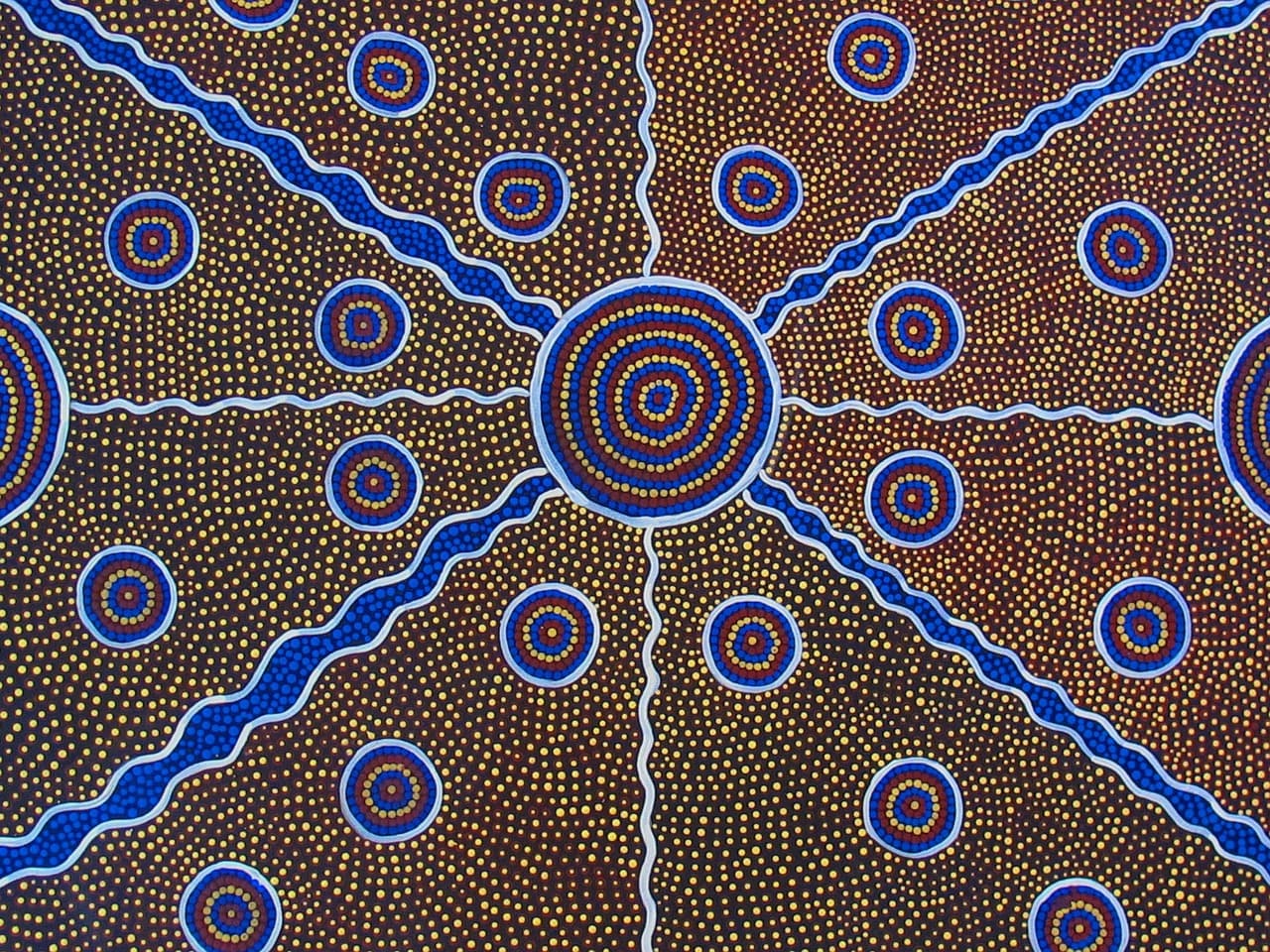
Sally Scales, a Pitjantjatjara artist who chairs the National Gallery of Australia's First Nations advisory group, has called the use of AI on Indigenous Australian art a theft of cultural knowledge. The technology, she said, turns First Nations art into 'Temu slop' and undermines the agency of the people who made it.
"It's a theft of the agency of the artist. It rips the authenticity out of it," Scales said, because no one with a connection to the work had made it. "It's in the name, it's artificial."
Aboriginal-style designs flooding online marketplaces
Searches on sites including Temu, Shein and Amazon reveal countless works described as Aboriginal paintings, along with coasters and stubby holders carrying Aboriginal-style designs. Most of these products carry no artist attribution.
- AI has altered artworks, removed artists' names and the altered works have been sold, which the peak body for Australian visual artists said causes cultural and economic harm.
- In a submission, the National Association for the Visual Arts (Nava) said members raised concerns about AI-generated 'Aboriginal-style' images imitating community-specific techniques, stories, motifs and mark-making.
- Nava's submission said these images can be presented and sold as Indigenous or Indigenous-inspired work, spreading misinformation and competing with First Nations artists.
Scales said she has seen works and wondered whether they went through a First Nations community or person, or were generic.
How creators lose control, according to UNSW's Kathy Bowrey
Prof Kathy Bowrey of UNSW Law said one in five creators already had problems with copyright infringement without AI. Issues become more complex for First Nations creators, she said, partly because of lack of control over ownership and respect for Aboriginal culture.
She pointed to organisations that pay to use artwork or images of Aboriginal people, then later use AI to update or repurpose them without permission. "The corporate client can pay you once and then make unauthorised Aboriginal derivative work," Bowrey said, using artists' faces without consent.
"Not only do [the artists] not get the repeat business, but when they go to make new work they're competing against an AI."
Experts are particularly worried about the risks to Indigenous cultural and intellectual property (ICIP), as AI companies can collect online material including sacred and cultural knowledge.
Copyright Plus: the proposed fix
Bowrey and associate professor Oliver Bown, a creative technologies expert, have proposed what they call a Copyright Plus framework, which would give creators more power over the use of their work.
- AI companies would have to disclose their data sources.
- Artists would get the right to refuse scraping or mimicry.
- A levy on AI companies would fund a scheme to pay creative professionals and establish a cultural fund.
- Takedown notices would be available for fake content.
Bowrey said the draft policy was written based on the parameters of what the government has said so far. Separately, Nava's submission to the joint select committee inquiry on artificial intelligence cited Terri Janke, a Wuthathi and Meriam lawyer and international ICIP authority, who has documented AI scraping Indigenous art centre websites, removing names and altering work. Nava said Indigenous data sovereignty recognises the right of First Nations peoples to exercise authority over their data, cultural material and knowledge.
Where the government stands
Prime minister Anthony Albanese has vowed to protect Australian creatives from copyright theft, and attorney general Michelle Rowland said there are no plans to weaken copyright protections.
A spokesperson for the attorney general said Australian creatives were world class and that the government was committed to supporting them. The department continues to consult with creators, media organisations and AI companies on a range of options for future copyright changes, aiming to deliver meaningful control and fair compensation.