Rosebank oilfield rejection favoured by energy secretary Miatta Fahnbulleh
BUSINESS · ENERGY

Rosebank oilfield rejection favoured by energy secretary Miatta Fahnbulleh

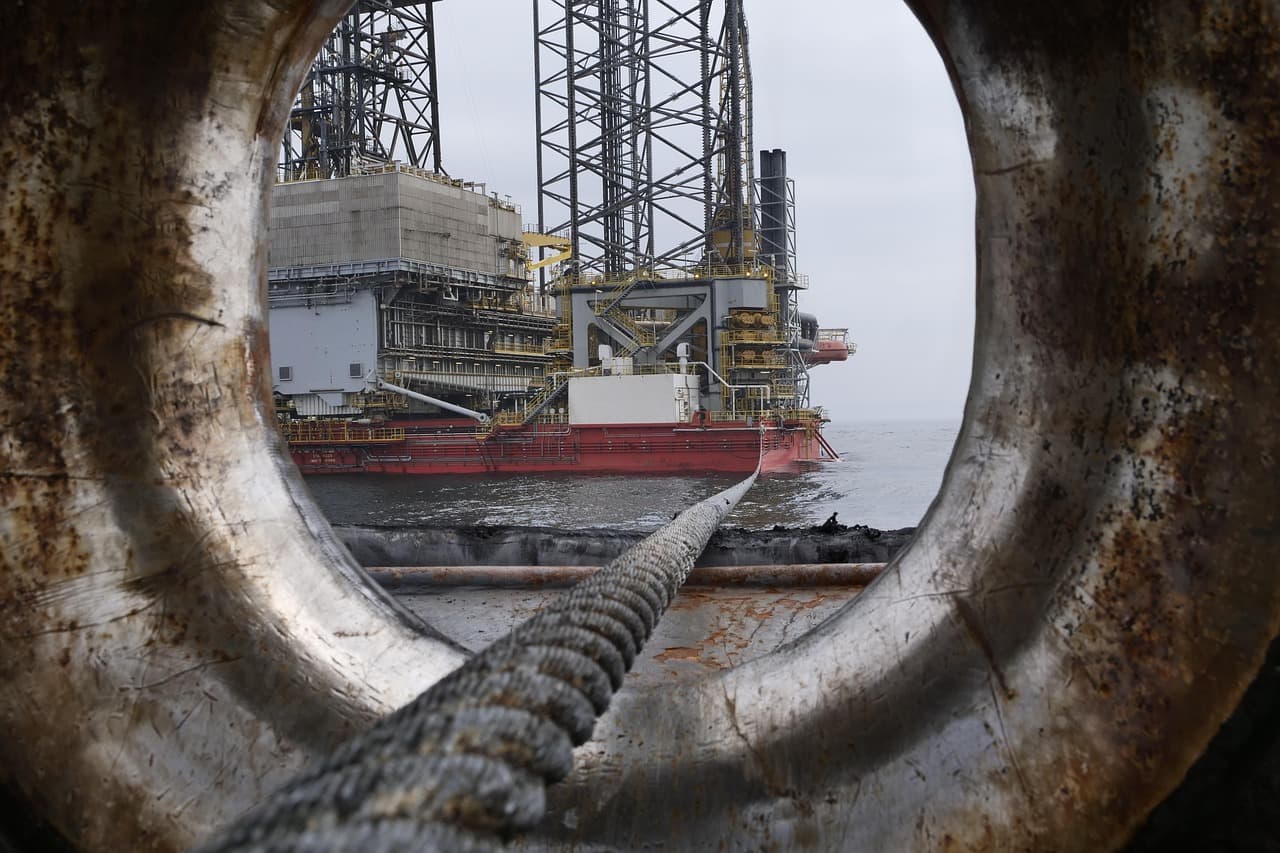
Energy secretary Miatta Fahnbulleh is leaning towards rejecting the giant Rosebank oilfield in the North Sea, according to officials, though no final decision has been taken and a ruling is expected later this year.

By LiveDigestPublished Wednesday, October 21, 2026 · 13:02 GMT | 3 min read

Rosebank oilfield rejection favoured by energy secretary Miatta Fahnbulleh

01 / ENERGY

Why Rosebank differs from Jackdaw

Miatta Fahnbulleh is leaning towards rejecting Rosebank, which would be one of the biggest fields in the North Sea, officials say. She approved the smaller Jackdaw gasfield on Wednesday, but told reporters the rationale for one cannot simply carry over to the other.

Her reasoning, as she set it out in Aberdeen, turns on what each field produces and where it goes:

  • One is a gasfield serving the domestic market, while the other is an oilfield mainly for export, in her words
  • Rosebank would emit about seven times the carbon of Jackdaw
  • Because most of its oil would be exported, she believes it would do less for UK energy security
  • She said each application must be judged on its own and be consistent with the UK's climate obligations and carbon budgets
02 / ENERGY

The Jackdaw approval and her defence

Jackdaw is due to begin producing gas within weeks and is expected to add an estimated 36m tonnes of carbon emissions. Fahnbulleh said she was satisfied the field would not violate the UK's climate commitments.

She defended the approval on grounds of supply rather than cost, citing the conflict in the Middle East that she said is triggering an energy crisis and arguing that gas is needed during the transition. She did accept, though, that the field would not help bring down household bills.

"This is not about bills."
03 / ENERGY

What the operators and climate targets say

The industry side remains confident. Adura chief executive Neil McCulloch, asked about Rosebank's prospects, told the Press Association: "We're very confident now." He described Rosebank as a bigger field that will last longer than Jackdaw, with different economic benefits in jobs and economic impact.

The backdrop to the decision is stark. The UN Environment Programme has recommended cutting global carbon emissions by nearly a fifth in the next four years, and by close to half within a decade.

Labour's 2024 manifesto committed to a ban on new drilling licences in the North Sea, but the companies behind Jackdaw and Rosebank sought approval under existing licences, having resubmitted their applications for environmental approval earlier this year.

04 / ENERGY

Money and politics around north sea drilling

Fahnbulleh has also promised that North Sea revenues will fund green projects through a new energy wealth fund. She said the fund will be given £2bn in the budget, some of it reallocated from her department's budget, with the money spent on renewables, nuclear and other clean energy schemes. She could not say which tax revenues would flow into the fund; the chancellor will make those details clear in the budget.

Politically, the picture is mixed. A Savanta poll for E3G found nearly a third of voters would be less likely to vote Labour over more North Sea drilling approvals, including about half of 18- to 24-year-olds. The Jackdaw approval could help Labour in north-east Scotland, but is likely to cause angst among some Labour MPs, especially those in seats where they face a challenge from the Green party.

For now, the Rosebank oilfield decision remains open: officials say Fahnbulleh has not yet taken a final decision, with a ruling expected later this year.

Continue reading

More from Business.

Rosebank oilfield rejection favoured by energy secretary Miatta Fahnbulleh
BUSINESS · ENERGY

Rosebank oilfield rejection favoured by energy secretary Miatta Fahnbulleh

Energy secretary Miatta Fahnbulleh is leaning towards rejecting the giant Rosebank oilfield in the North Sea, according to officials, though no final decision has been taken and a ruling is expected later this year.

By LiveDigestPublished Wednesday, October 21, 2026 · 13:02 GMT | 3 min read

Rosebank oilfield rejection favoured by energy secretary Miatta Fahnbulleh

01 / ENERGY

Why Rosebank differs from Jackdaw

Miatta Fahnbulleh is leaning towards rejecting Rosebank, which would be one of the biggest fields in the North Sea, officials say. She approved the smaller Jackdaw gasfield on Wednesday, but told reporters the rationale for one cannot simply carry over to the other.

Her reasoning, as she set it out in Aberdeen, turns on what each field produces and where it goes:

  • One is a gasfield serving the domestic market, while the other is an oilfield mainly for export, in her words
  • Rosebank would emit about seven times the carbon of Jackdaw
  • Because most of its oil would be exported, she believes it would do less for UK energy security
  • She said each application must be judged on its own and be consistent with the UK's climate obligations and carbon budgets
02 / ENERGY

The Jackdaw approval and her defence

Jackdaw is due to begin producing gas within weeks and is expected to add an estimated 36m tonnes of carbon emissions. Fahnbulleh said she was satisfied the field would not violate the UK's climate commitments.

She defended the approval on grounds of supply rather than cost, citing the conflict in the Middle East that she said is triggering an energy crisis and arguing that gas is needed during the transition. She did accept, though, that the field would not help bring down household bills.

"This is not about bills."
03 / ENERGY

What the operators and climate targets say

The industry side remains confident. Adura chief executive Neil McCulloch, asked about Rosebank's prospects, told the Press Association: "We're very confident now." He described Rosebank as a bigger field that will last longer than Jackdaw, with different economic benefits in jobs and economic impact.

The backdrop to the decision is stark. The UN Environment Programme has recommended cutting global carbon emissions by nearly a fifth in the next four years, and by close to half within a decade.

Labour's 2024 manifesto committed to a ban on new drilling licences in the North Sea, but the companies behind Jackdaw and Rosebank sought approval under existing licences, having resubmitted their applications for environmental approval earlier this year.

04 / ENERGY

Money and politics around north sea drilling

Fahnbulleh has also promised that North Sea revenues will fund green projects through a new energy wealth fund. She said the fund will be given £2bn in the budget, some of it reallocated from her department's budget, with the money spent on renewables, nuclear and other clean energy schemes. She could not say which tax revenues would flow into the fund; the chancellor will make those details clear in the budget.

Politically, the picture is mixed. A Savanta poll for E3G found nearly a third of voters would be less likely to vote Labour over more North Sea drilling approvals, including about half of 18- to 24-year-olds. The Jackdaw approval could help Labour in north-east Scotland, but is likely to cause angst among some Labour MPs, especially those in seats where they face a challenge from the Green party.

For now, the Rosebank oilfield decision remains open: officials say Fahnbulleh has not yet taken a final decision, with a ruling expected later this year.

Continue reading

More from Business.

Rosebank oilfield rejection favoured by energy secretary Miatta Fahnbulleh
BUSINESS · ENERGY

Rosebank oilfield rejection favoured by energy secretary Miatta Fahnbulleh

By LiveDigest

Rosebank oilfield rejection favoured by energy secretary Miatta Fahnbulleh

01 / ENERGY

Why Rosebank differs from Jackdaw

Miatta Fahnbulleh is leaning towards rejecting Rosebank, which would be one of the biggest fields in the North Sea, officials say. She approved the smaller Jackdaw gasfield on Wednesday, but told reporters the rationale for one cannot simply carry over to the other.

Her reasoning, as she set it out in Aberdeen, turns on what each field produces and where it goes:

  • One is a gasfield serving the domestic market, while the other is an oilfield mainly for export, in her words
  • Rosebank would emit about seven times the carbon of Jackdaw
  • Because most of its oil would be exported, she believes it would do less for UK energy security
  • She said each application must be judged on its own and be consistent with the UK's climate obligations and carbon budgets
02 / ENERGY

The Jackdaw approval and her defence

Jackdaw is due to begin producing gas within weeks and is expected to add an estimated 36m tonnes of carbon emissions. Fahnbulleh said she was satisfied the field would not violate the UK's climate commitments.

She defended the approval on grounds of supply rather than cost, citing the conflict in the Middle East that she said is triggering an energy crisis and arguing that gas is needed during the transition. She did accept, though, that the field would not help bring down household bills.

"This is not about bills."
03 / ENERGY

What the operators and climate targets say

The industry side remains confident. Adura chief executive Neil McCulloch, asked about Rosebank's prospects, told the Press Association: "We're very confident now." He described Rosebank as a bigger field that will last longer than Jackdaw, with different economic benefits in jobs and economic impact.

The backdrop to the decision is stark. The UN Environment Programme has recommended cutting global carbon emissions by nearly a fifth in the next four years, and by close to half within a decade.

Labour's 2024 manifesto committed to a ban on new drilling licences in the North Sea, but the companies behind Jackdaw and Rosebank sought approval under existing licences, having resubmitted their applications for environmental approval earlier this year.

04 / ENERGY

Money and politics around north sea drilling

Fahnbulleh has also promised that North Sea revenues will fund green projects through a new energy wealth fund. She said the fund will be given £2bn in the budget, some of it reallocated from her department's budget, with the money spent on renewables, nuclear and other clean energy schemes. She could not say which tax revenues would flow into the fund; the chancellor will make those details clear in the budget.

Politically, the picture is mixed. A Savanta poll for E3G found nearly a third of voters would be less likely to vote Labour over more North Sea drilling approvals, including about half of 18- to 24-year-olds. The Jackdaw approval could help Labour in north-east Scotland, but is likely to cause angst among some Labour MPs, especially those in seats where they face a challenge from the Green party.

For now, the Rosebank oilfield decision remains open: officials say Fahnbulleh has not yet taken a final decision, with a ruling expected later this year.

Continue reading

More from Business.