Harrods Jellycat cafe books out until February as adult soft toy demand soars
Harrods in London opens a Jellycat cafe on Monday, a first-of-its-kind brunch destination where diners can eat dishes and buy them as plushies. Booking opened in October and slots are sold out until February.
Harrods Jellycat cafe books out until February as adult soft toy demand soars
Brunch with a plush on the side
Harrods in London is opening what it calls a first-of-its-kind dining destination: a Jellycat cafe serving brunch in edible and soft toy form. Diners can eat a peach granola bowl and buy a plushie shaped like it, too.
Interest has been steep. Booking opened in October and slots are sold out until February; the cafe takes over a space previously occupied by the Prada cafe.
- The brunch replaces the Prada cafe space
- Dishes come in edible and plush form
- Bookings opened in October, filled through February
One diner, Rachel Dyer, a 43-year-old business support officer, booked a table to celebrate her 10th wedding anniversary.
Grownups buying the toys
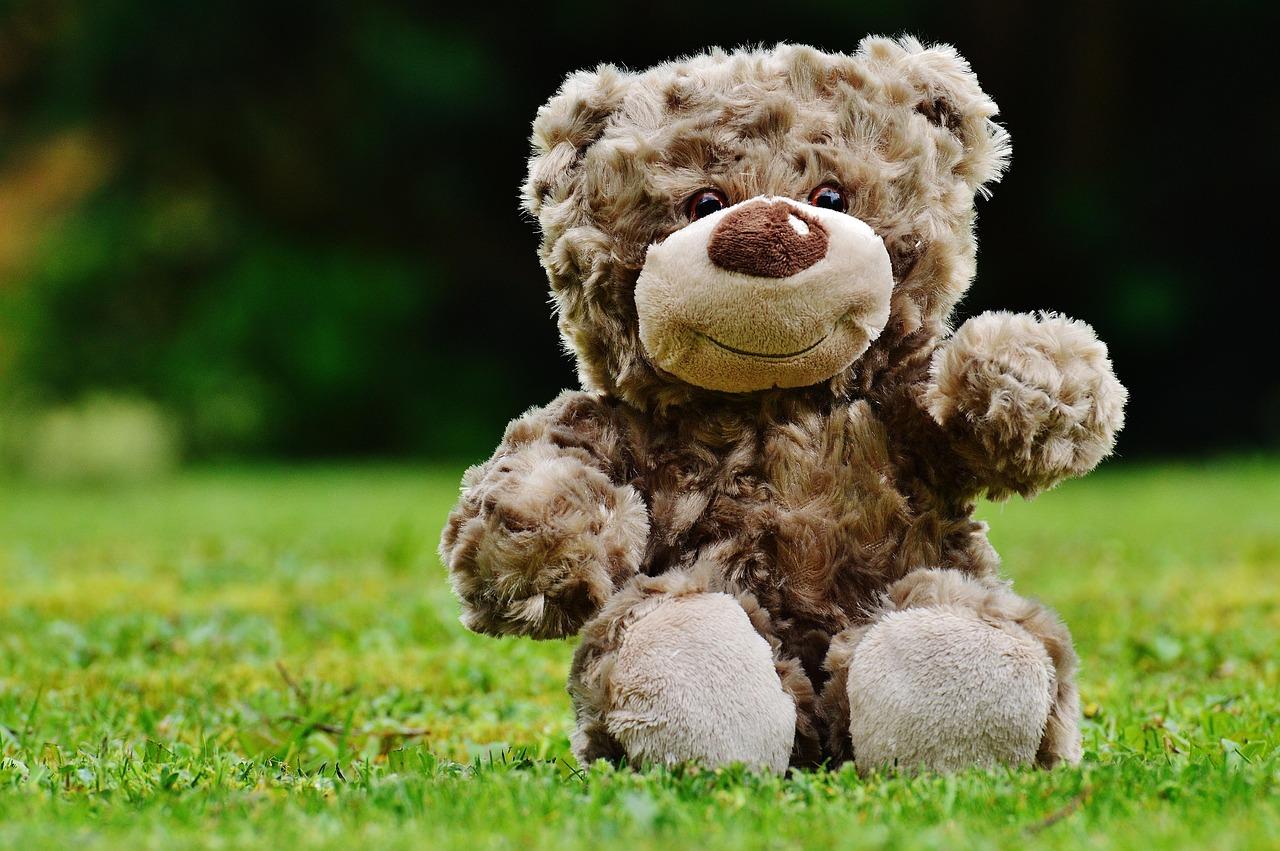
The cafe arrives as Jellycat, a British soft toy brand founded in 1999, finds its smiley designs snapped up by adult soft toy buyers in shapes from croissants and disco balls to turtles and teabags.
The surge sits within a wider "kidult" movement of grownups buying items traditionally aimed at children, such as Lego sets and Pokémon cards. Circana research found kidult toy sales in the UK grew 22% in the first half of 2026, and one in five toys and games are now bought by over-18s for themselves. At the US department chain Nordstrom, the average Jellycat buyer is 27.
The money follows. Jellycat's revenue jumped 43% on the previous year to £450m, according to October figures. Social media videos of users talking through their plushie collections can rack up millions of views.
Comfort, not regression
Nostalgia and a rise in anxiety disorders are credited as contributing factors to the trend. Audrey Tang, a chartered member of the British Psychological Society, describes Jellycats as "tactile, comforting, calming and very cutesy".
Tang says she is not surprised by increased adult demand for plushies, noting this year has been tough on many people. She dismisses age-regression concerns as a type of judgment, often voiced by parents or caregivers, and says in-person events help form wider connections. Shared interests, she says, are an instant talking point that can soothe anxiety for lonely or shy people.
Collectors see it the same way. Dyer, who started collecting in 2025 and now owns 95 plushies including a pine-cone tree, a fox and a cat in a parka jacket, says her husband is "bemused by the whole thing". She says of the toys:
"They bring me a little bit of comfort, joy and escapism, and I don't think there's anything wrong with that, whatever your age."
Each Jellycat character is given a name and a brief bio by the brand.
A boom with a shadow
The toys typically cost £20 to £40, but discontinued or rare versions can fetch upwards of £500 on secondhand sites. Jellycat ranked fourth among the UK's most-searched terms on eBay between January and September 2026.
- The boom has brought a rise in reports of "stealing to sell" shoplifting
- Bill Nighy calls himself a "big, big Jellycat customer"
- Sarah Jessica Parker posted her "Petal" bunny; Kylie Jenner favours a trio of green peas in a pod
- Mini bag charms, including 6cm-high pickles and marshmallows, increasingly swing from designer handbags
Other in-person experiences show the same pull: a patisserie at Galeries Lafayette in Paris selling small plush chouquettes, a Texas ranch with a bald-eagle soft toy called Algernon, and Selfridges' Fish and Chips Jellycat van last July, where people queued up to three hours for a plush sausage and mushy peas wrapped in bespoke newspaper.
The Harrods Jellycat cafe opens on Monday in the former Prada cafe space, with slots sold out until February.